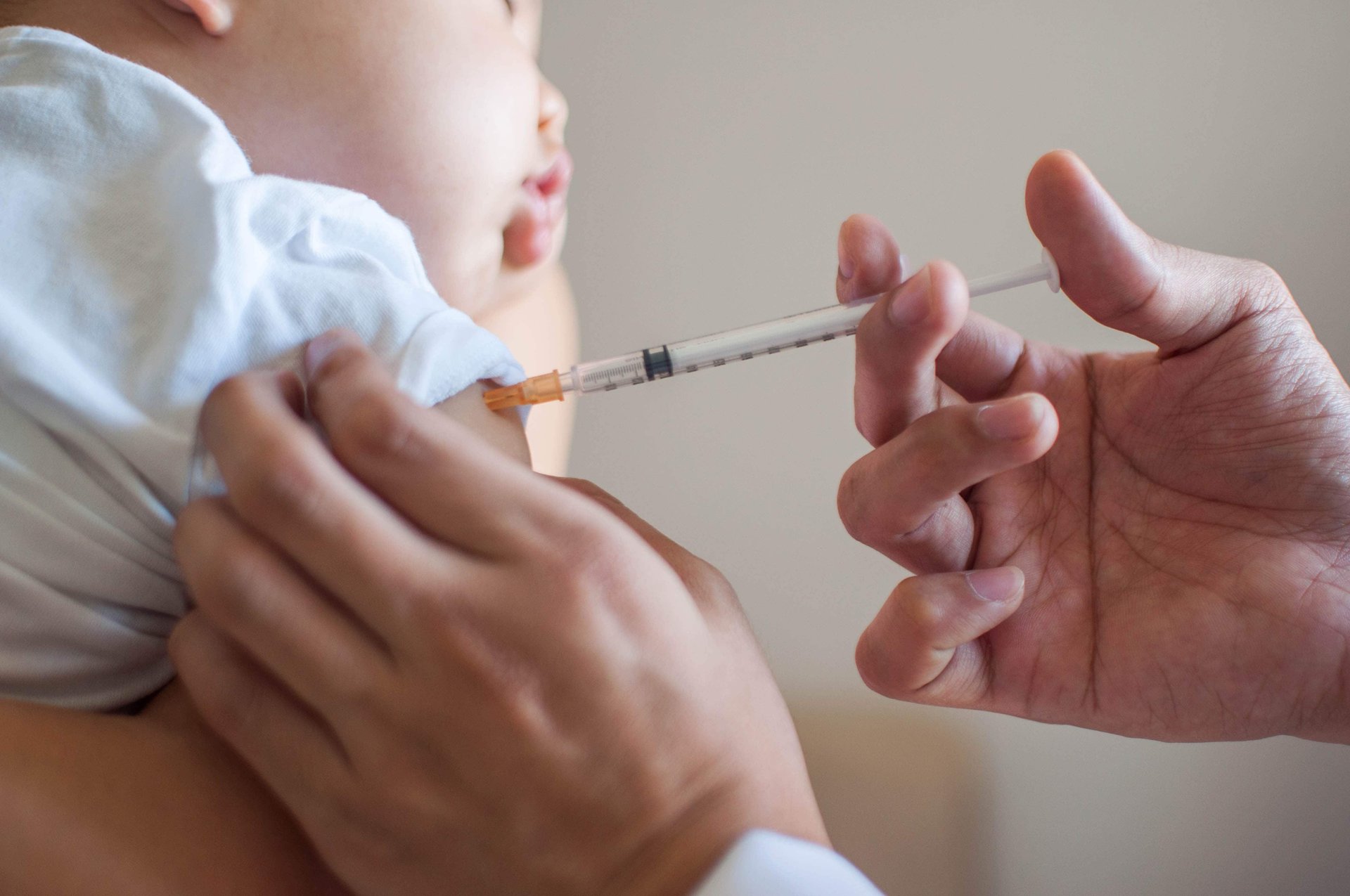
Baby Hero: Revolutionary RSV Vaccine Cuts Infant Hospitalisations by Half as Australia’s Free Jab Program Proves a Game-Changer
- RSV hospitalisations in babies under three months plummet by nearly 50% since pregnant women started receiving the free vaccine
- New study reveals 80% of babies born to immunised mothers avoided hospitalisation, giving hope to thousands of Australian families
- Experts warn of critical coming weeks as cold weather sets in, but vaccine program is expected to ease pressure on hospitals
- National immunisation program also available for newborns who missed out on protection during pregnancy
Meet Hugo, the nine-month-old baby who’s beaming with health, thanks to a revolutionary vaccine that’s changing the game for Australian families. Hugo’s mum, Katryna, received the free RSV immunisation at 28 weeks pregnant, giving her baby boy a fighting chance against the potentially deadly respiratory virus.
“It gave me great peace of mind, especially as a first-time mum,” Katryna said. “I could give Hugo the best chance at a healthy start to life.”
RSV, or respiratory syncytial virus, is the leading cause of hospitalisation in babies under one year old, with around 12,000 admissions every year. The virus attacks the lungs, and for the very young, it can be life-threatening.
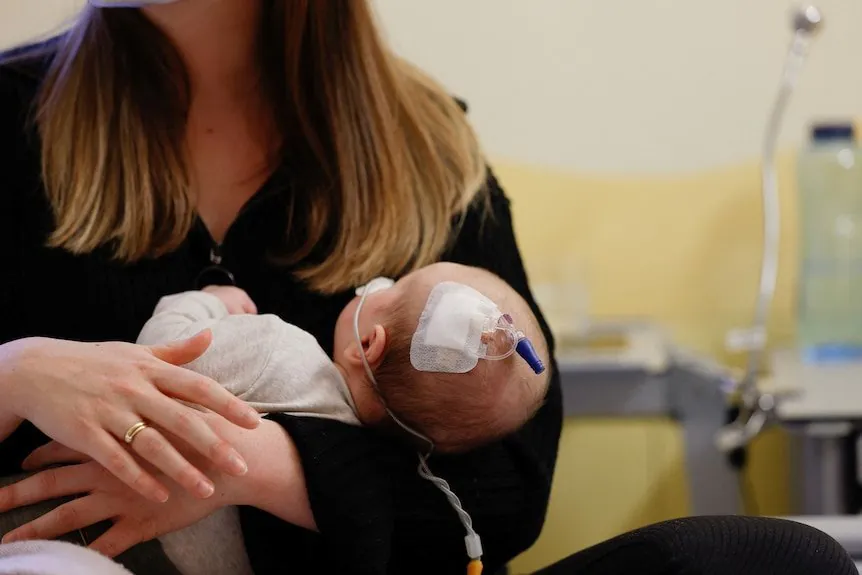
But thanks to the introduction of the free RSV immunisation program for pregnant women, infant hospitalisations have almost halved across 13 Australian hospitals. According to Dr Ushma Wadia from the Kids Research Institute Australia, “Before the immunisation was introduced, we would see one in 50 babies being hospitalised.
Our study showed that 80% of babies that were born to mothers who had received the immunisation did not come into hospital.”


So, how did this groundbreaking program come to be? The RSV vaccine was introduced last year, and its impact has been nothing short of remarkable.
With the vaccine, pregnant women are not only protecting themselves but also passing on vital antibodies to their unborn babies. This has resulted in a significant reduction in RSV hospitalisations, freeing up hospital beds for those who need them most.
As Dr Wadia explained, “We are not having those bad blocks because of children coming with RSV and then that frees up beds for people that really need them.”
Analysis: What This Means for Australia
The success of the RSV immunisation program has significant implications for Australia’s healthcare system. With the vaccine program in place, hospitals are better equipped to manage the influx of patients during peak cold and flu season.
This not only reduces the pressure on hospitals but also ensures that those who need critical care receive it in a timely manner. Furthermore, the program highlights the importance of investing in preventative healthcare measures, which can have long-term benefits for the community.
healthcare system
Security analysts say the vaccine program is a prime example of how a well-coordinated national response can mitigate the spread of infectious diseases. By providing the vaccine to pregnant women, the government is taking a proactive approach to protecting the most vulnerable members of society.
Australian Government Department of Health
Industry observers believe the success of the RSV vaccine program will pave the way for further investments in preventative healthcare initiatives. With the program’s proven track record, it’s likely that other countries will take note and consider implementing similar initiatives to protect their own citizens.
World Health Organization
As the cold weather sets in, experts warn that the coming weeks will be critical in managing the spread of RSV.
However, with the vaccine program in place, Australian families can breathe a sigh of relief knowing that their little ones are better protected against this potentially deadly virus.
One jab, double the protection – it’s a game-changer for families across the country.