Shocking Overhaul of NT Child Protection Laws After Tragic Death of Kumunjayi Little Baby: ‘Safety of Every Child Must Come First’
- A landmark legislative overhaul is set to give caseworkers more power to intervene and protect vulnerable children in the Northern Territory.
- The reforms come after the tragic death of five-year-old Kumunjayi Little Baby, who was allegedly kidnapped and murdered at an Alice Springs town camp.
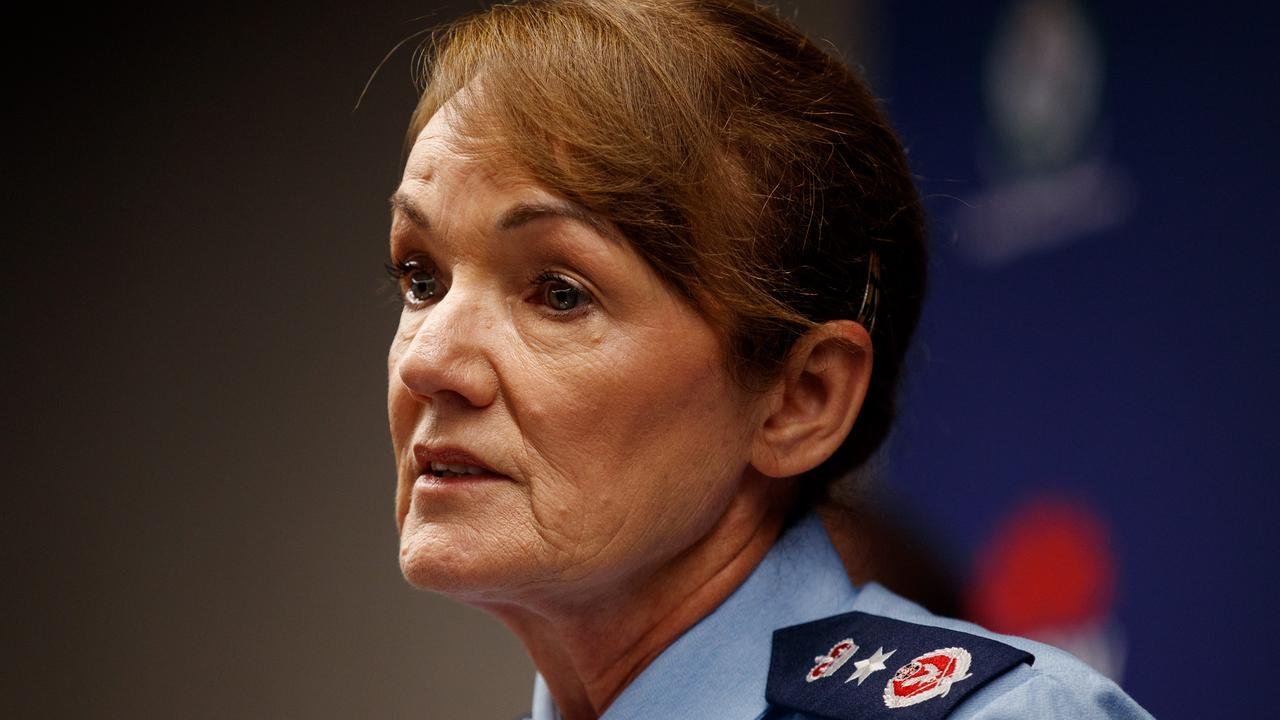
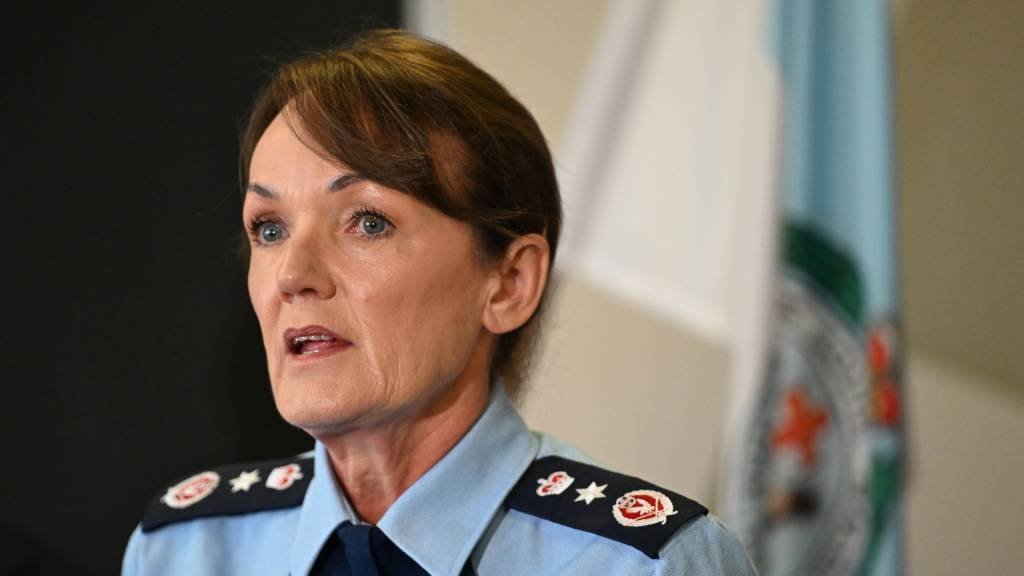
- Former NSW police commissioner Karen Webb and NT public servant Greg Shanahan will co-lead an independent investigation into the Department of Children and Families’ handling of the case.
- The new laws will prioritize a child’s safety above cultural and family ties, addressing a “fundamental flaw” in the current system.
The Northern Territory Government has unveiled a major overhaul of its child protection laws, prioritizing the safety of every child above all else.
The reforms come in the wake of the tragic death of five-year-old Kumunjayi Little Baby, who was allegedly kidnapped and murdered at an Alice Springs town camp.
An independent investigation, co-led by former NSW police commissioner Karen Webb and NT public servant Greg Shanahan, will examine the Department of Children and Families’ handling of the case.
Kumunjayi Little Baby’s death has sent shockwaves through the community, with many calling for urgent action to address the failures in the child protection system.
The new laws aim to do just that, introducing a universal placement principle that prioritizes a child’s safety and best interests above cultural and family ties.



This marks a significant shift from the current system, which has been criticized for putting cultural and kinship preferences above a child’s safety.
The reforms also introduce new early intervention mechanisms, including Family Responsibility Agreements (FRAs), which enable the CEO of the Department to invite parents to enter into voluntary agreements to address child welfare concerns before they reach the threshold for statutory intervention.
Where parents refuse to engage with FRAs or fail to comply, the CEO can apply to the Court for binding Family Responsibility Orders (FROs).
NT Child Protection Minister Robyn Cahill says the reforms are designed to put the safety of every child at the heart of the child protection framework.
“The safety of every child must come first. It is a basic human right that a child is safe,” she told news.com.au.
The reforms address longstanding failures in the child protection system, including a cultural reluctance to remove children from family settings, the absence of a structured early intervention pathway, and the system’s failure to deliver permanency and stability for children already in care.
Analysis: What This Means for Australia
The NT’s child protection overhaul has significant implications for Australia as a whole. The reforms highlight the need for a national conversation about the importance of prioritizing child safety above all else.
As Security analysts say, “The safety of children is a fundamental human right, and it’s essential that we have a robust system in place to protect them.” The NT’s reforms serve as a model for other states and territories to follow, and it’s crucial that we learn from their experiences and implement similar changes nationwide.
Law enforcement insiders warn that the current system’s failure to deliver permanency and stability for children already in care is a ticking time bomb. “We’re seeing children being trapped in the system for years, without resolution or permanency.
It’s a recipe for disaster,” they say.
The NT’s reforms address this issue by introducing a proactive efforts framework, which establishes a legislative requirement for the CEO to take proactive steps to address risks to children and pursue reunification or an alternative permanent placement within two years.
Industry observers believe that the reforms will have a significant impact on the NT’s child protection system, but there’s still much work to be done.
“The NT’s reforms are a step in the right direction, but we need to see more action from other states and territories to address the systemic failures that are putting children’s lives at risk,” they say.
As the NT Government continues to work towards implementing the reforms, it’s essential that we keep the safety of every child at the forefront of our minds.
The tragic death of Kumunjayi Little Baby serves as a stark reminder of the importance of prioritizing child safety above all else.
It’s time for Australia to take a hard look at its child protection systems and make the necessary changes to ensure that every child is safe.