
Albanese Dodges Fuel Excise Cut Extension as Australia Secures Record Fuel Supplies Amid Global Uncertainty
- Australia’s fuel excise cut, which has saved motorists 26.3 cents per litre, is set to expire on June 30, but the Prime Minister refuses to commit to an extension.
- Despite record fuel supplies, the government warns the crisis is far from over, with global tensions and supply chain disruptions still posing a threat.
- Energy Minister Chris Bowen reveals Australia has secured 44 days of petrol, 36 days of diesel, and 35 days of jet fuel, exceeding previous records.
- As the country teeters on the edge of a fuel crisis, the Opposition remains tight-lipped on whether they will support an extension of the excise cut.
Australia’s fuel excise cut, a lifeline for motorists during a time of soaring petrol prices, hangs in the balance as Prime Minister Anthony Albanese dodges questions on its future.
With the cut set to expire on June 30, the nation waits with bated breath as the government weighs its options.
But in a surprise move, Mr Albanese announced that Australia has secured a record amount of fuel, exceeding supplies at the start of the Iran war in February.
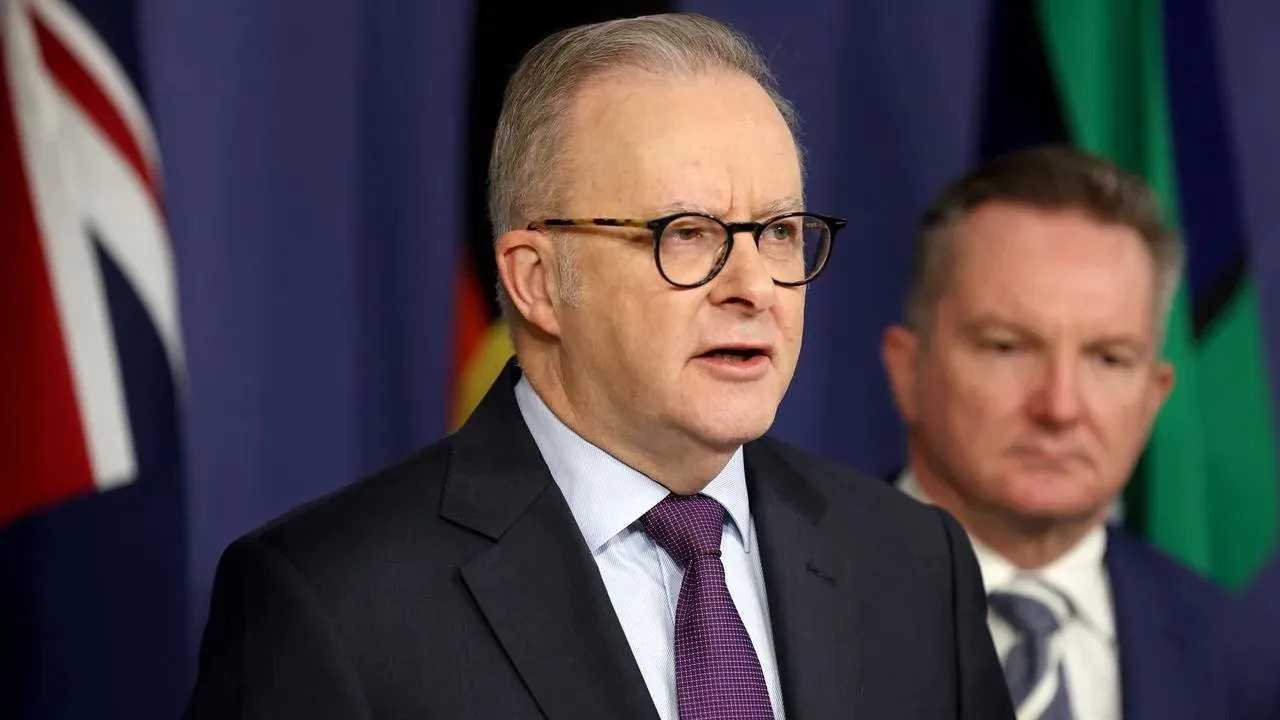
According to Energy Minister Chris Bowen, the country now boasts an impressive 44 days of petrol, 36 days of diesel, and 35 days of jet fuel.
This represents a significant increase on last week’s figures and surpasses previous records, with 6.2 billion litres of fuel on hand – the highest level since 2023.



But despite this good news, the government remains cautious, warning that the crisis is far from over.
So, what’s behind this sudden surge in fuel supplies? The answer lies in the government’s tireless efforts to secure new shipments and mitigate the impact of global supply chain disruptions.
With 52 ships on the water, bound for Australia, and 3.8 billion litres of fuel locked in for delivery over the next four weeks, the country’s energy security appears to be on the mend.
But experts warn that this is no time for complacency, as global tensions and geopolitical uncertainties continue to threaten the stability of fuel supplies.
Analysis: What This Means for Australia
As the nation navigates this complex landscape, one thing is clear: the fuel excise cut has been a vital lifeline for motorists. But with its future uncertain, Australians are left wondering what’s next.
Security analysts say the government’s reluctance to commit to an extension is a sign of the difficult decisions that lie ahead. “The fuel excise cut has been a necessary evil, but it’s not a long-term solution,” one expert notes.
“The government needs to think carefully about how it will manage the transition, or risk exacerbating the crisis.”
Law enforcement insiders warn that the fuel crisis has already had a significant impact on communities, particularly in regional areas where fuel prices are highest. “The knock-on effects of a fuel shortage can be devastating, from stranded motorists to shuttered businesses,” one source says.
“The government needs to take a comprehensive approach to addressing this issue, rather than just kicking the can down the road.”
Industry observers believe that the government’s efforts to secure new fuel supplies are a step in the right direction, but more needs to be done to address the underlying issues driving the crisis.
“Australia’s energy security is a complex issue that requires a multifaceted approach,” one expert notes. “We need to think about how we can reduce our reliance on imported fuels, invest in renewable energy, and develop a more resilient supply chain.”