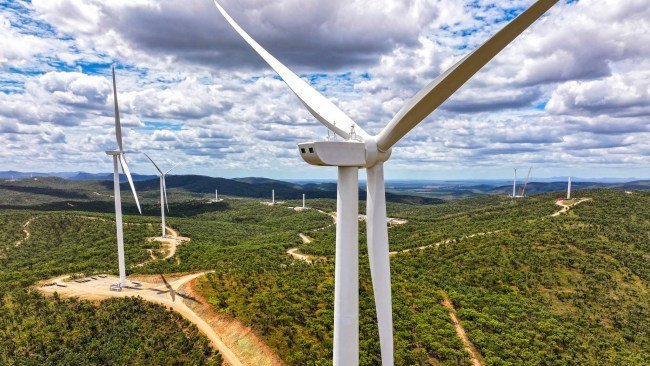
Victoria’s Wind Farm Frenzy: How a $1.5 Billion Project is Tearing a Community Apart
- A massive new wind farm in Western Victoria has been given the green light by the state government, despite concerns from local residents and environmental groups.
- The $1.5 billion Warracknabeal Energy Park will be the largest wind farm in the Southern Hemisphere, but opponents claim it will destroy the local environment and community.
- As Victoria rushes to meet its renewable energy targets, critics say the government is ignoring the human cost of its policies and prioritizing profits over people.
- The project has sparked a heated debate about the future of Australia’s energy landscape and the impact of renewable energy on local communities.
The state government’s decision to approve the Warracknabeal Energy Park has sent shockwaves through the small town of Horsham, where residents are worried about the impact of the massive project on their way of life.
The $1.5 billion wind farm, which will feature 219 turbines across 26,000 hectares of farmland, has been touted as a major boon for Victoria’s renewable energy targets.
But opponents claim it will destroy the local environment, disrupt the community, and line the pockets of wealthy investors.
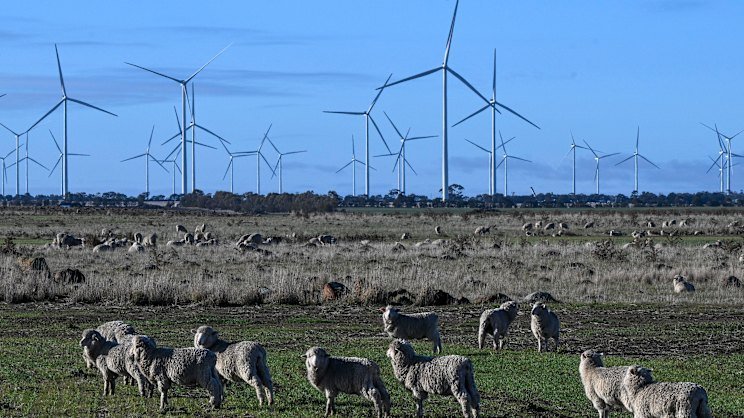
At the heart of the controversy is the question of whether the state government has properly considered the potential impacts of the project. Environmental advocacy groups say the government has failed to adequately assess the risks to human health, noise pollution, and visual amenity.
“There are impacts on human health, on noise, on visual amenity loss and those issues have not been properly and thoroughly considered,” said Ross Johns, president of the Wimmera Mallee Environmental and Agricultural Protection Association.

But WestWind Energy, the company behind the project, says it has worked closely with the community to address concerns and refine the proposal. “We have listened, responded, and refined the project to balance environmental considerations with regional benefits,” said managing director Tobias Geiger.
The company claims the project will deliver substantial regional benefits, including investment in infrastructure, significant local municipal rates, and long-term economic contributions to the Wimmera region.
Analysis: What This Means for Australia
The Warracknabeal Energy Park is just the latest example of the challenges facing Australia as it transitions to a renewable energy future. As the country rushes to meet its emissions targets, communities are being torn apart by the impact of large-scale energy projects.
The project has sparked a heated debate about the future of Australia’s energy landscape and the impact of renewable energy on local communities.
Security analysts say that the project highlights the need for a more nuanced approach to energy policy, one that takes into account the human cost of renewable energy and the need for a reliable, low-cost energy system.
Law enforcement insiders warn that the project could also have significant implications for community safety. “The impact of this project on local infrastructure and services will be profound,” said Horsham Rural City Council Mayor Brian Klowss.
“We’re concerned about the impact on housing, workforce, and roads, and we’re worried that the government is not listening to our concerns.”
As the debate over the Warracknabeal Energy Park continues, one thing is clear: the future of Australia’s energy landscape will be shaped by the complex interplay of politics, economics, and community concerns.
renewable energy energy policy Australian Renewable Energy Agency