
‘A Desperate Wait for Justice’: Pheobe Bishop’s Family Left in Limbo as Accused Killer Tanika Bromley’s Case Hits Another Snag
- Tanika Bromley, 34, is charged with murder and interfering with a corpse over the disappearance of 17-year-old Pheobe Bishop
- Pheobe’s remains were found in bushland weeks after she went missing in May last year
- Bromley’s defence team raises concerns about delays in receiving parts of the brief of evidence, including a crucial ballistics report
- The case has been adjourned to June 30, leaving Pheobe’s family with an agonizing wait for justice
The family of Pheobe Bishop is facing a desperate wait for justice as the case against accused killer Tanika Bromley hits another snag. Bromley, 34, is charged with murder and interfering with a corpse over the disappearance of the 17-year-old Queensland teenager.
Pheobe’s remains were found in bushland weeks after she went missing in May last year, but the road to justice has been long and arduous. Bromley’s defence team has raised concerns about delays in receiving parts of the brief of evidence, including a crucial ballistics report.
The court heard that Bromley’s lawyer, Nick Larter, had written a disclosure letter, asking when the brief of evidence for the weapons charges would be attended to.

However, he claimed that he had not received a brief of evidence for the May weapons charges, and the brief for the February offences was missing a ballistics report.
The case has been adjourned to June 30, leaving Pheobe’s family with an agonizing wait for justice. Pheobe’s disappearance sent shockwaves through the community, and her family has been left to pick up the pieces.

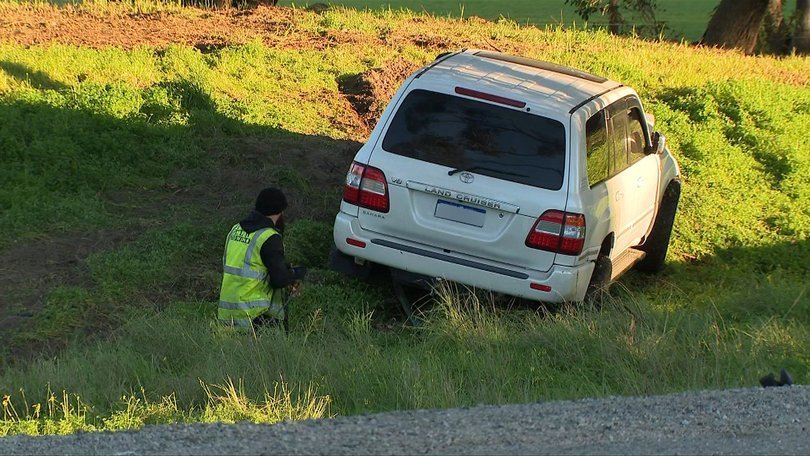


The teenager was last seen at Bundaberg Airport, where she was due to board a flight on May 15 last year. Emergency services launched a search for Pheobe, but it wasn’t until weeks later that her remains were found in bushland.
The investigation into Pheobe’s disappearance and murder has been ongoing, with Bromley and her co-accused, James Wood, facing a string of charges. Bromley is facing charges including murder, two counts of interfering with a corpse, and several weapons offences.
Wood’s case is also due to return to court on June 30.
Analysis: What This Means for AustraliaThe case against Tanika Bromley raises serious concerns about the delays in receiving evidence in high-profile cases.
The fact that Bromley’s defence team has had to request a disclosure letter and is still waiting for crucial evidence, including a ballistics report, is alarming.
This raises questions about the efficiency of the justice system and the ability of defence teams to prepare for trial. Security analysts say that delays in receiving evidence can have a significant impact on the outcome of a case.
“It’s crucial that defence teams have access to all the evidence in a timely manner,” said one analyst.
“Delays can lead to miscarriages of justice and undermine the integrity of the justice system.”
Law enforcement insiders warn that the case highlights the need for better resourcing and support for investigators.
“Investigations into serious crimes like murder require significant resources and expertise,” said one insider.
“It’s essential that investigators have the tools and support they need to gather evidence and bring perpetrators to justice.”
The case also raises concerns about the impact of delays on the families of victims.
Pheobe’s family has been left to wait for justice for over a year, and the adjournment of the case will only add to their anguish. “The wait for justice is agonizing for families,” said a spokesperson for the Victims of Crime Support Group.
“Delays can exacerbate the trauma and distress that families experience, and it’s essential that the justice system prioritizes their needs.”
The family of Pheobe Bishop is facing a desperate wait for justice as the case against accused killer Tanika Bromley hits another snag. Bromley, 34, is charged with murder and interfering with a corpse over the disappearance of the 17-year-old Queensland teenager. Pheobe’s remains were found in bushland weeks after she went missing in May last year, but the road to justice has been long and arduous.
Bromley’s defence team has raised concerns about delays in receiving parts of the brief of evidence, including a crucial ballistics report. The court heard that Bromley’s lawyer, Nick Larter, had written a disclosure letter, asking when the brief of evidence for the weapons charges would be attended to. However, he claimed that he had not received a brief of evidence for the May weapons charges, and the brief for the February offences was missing a ballistics report.
The case has been adjourned to June 30, leaving Pheobe’s family with an agonizing wait for justice. Pheobe’s disappearance sent shockwaves through the community, and her family has been left to pick up the pieces. The teenager was last seen at Bundaberg Airport, where she was due to board a flight on May 15 last year. Emergency services launched a search for Pheobe, but it wasn’t until weeks later that her remains were found in bushland.
The investigation into Pheobe’s disappearance and murder has been ongoing, with Bromley and her co-accused, James Wood, facing a string of charges. Bromley is facing charges including murder, two counts of interfering with a corpse, and several weapons offences. Wood’s case is also due to return to court on June 30.
The case against Tanika Bromley raises serious concerns about the delays in receiving evidence in high-profile cases. The fact that Bromley’s defence team has had to request a disclosure letter and is still waiting for crucial evidence, including a ballistics report, is alarming. This raises questions about the efficiency of the justice system and the ability of defence teams to prepare for trial.
Security analysts say that delays in receiving evidence can have a significant impact on the outcome of a case. “It’s crucial that defence teams have access to all the evidence in a timely manner,” said one analyst. “Delays can lead to miscarriages of justice and undermine the integrity of the justice system.”
Law enforcement insiders warn that the case highlights the need for better resourcing and support for investigators. “Investigations into serious crimes like murder require significant resources and expertise,” said one insider. “It’s essential that investigators have the tools and support they need to gather evidence and bring perpetrators to justice.”
The case also raises concerns about the impact of delays on the families of victims. Pheobe’s family has been left to wait for justice for over a year, and the adjournment of the case will only add to their anguish. “The wait for justice is agonizing for families,” said a spokesperson for the Victims of Crime Support Group. “Delays can exacerbate the trauma and distress that families experience, and it’s essential that the justice system prioritizes their needs.”