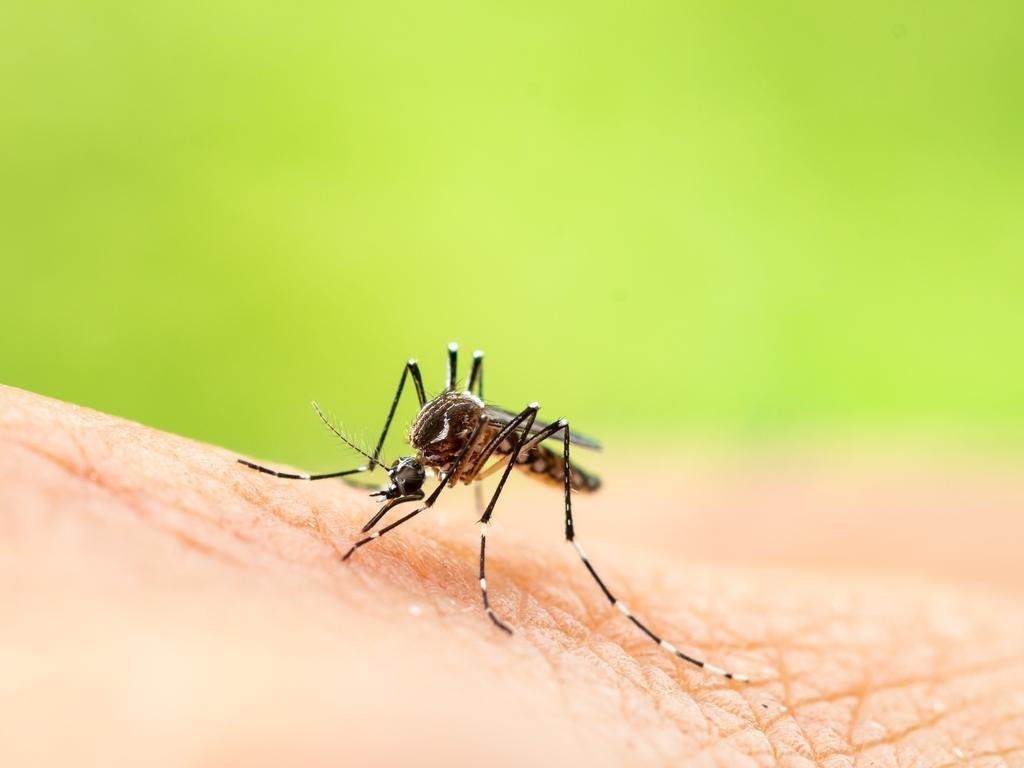
Mosquito-Borne Terror: Murray Valley Encephalitis Claims Two Lives in Northern Territory as Deadly Virus Spreads Across the Region
- Two people have died from Murray Valley encephalitis in Alice Springs, sparking a renewed health alert across the Northern Territory.
- Residents and visitors are being urged to take drastic measures to protect themselves from the mosquito-borne disease, which can cause severe headaches, fever, and even seizures.
- The NT Health Department warns that mosquito numbers are expected to remain high in the Top End until late July, putting thousands of people at risk of contracting the potentially fatal virus.
In a chilling alert issued today, the Northern Territory Health Department confirmed that two people have died from Murray Valley encephalitis (MVE) in Alice Springs, sparking widespread fear and concern across the region.
The two fatalities, which occurred in April and May, have prompted a desperate plea from health authorities for residents and visitors to take immediate action to protect themselves from the deadly mosquito-borne disease.
The NT Health Department has revealed that the disease was first detected in mosquitoes in Darwin earlier this month, prompting an initial warning from health authorities.
However, the situation has taken a devastating turn with the confirmation of two fatalities, highlighting the urgent need for individuals to take precautions against the disease.
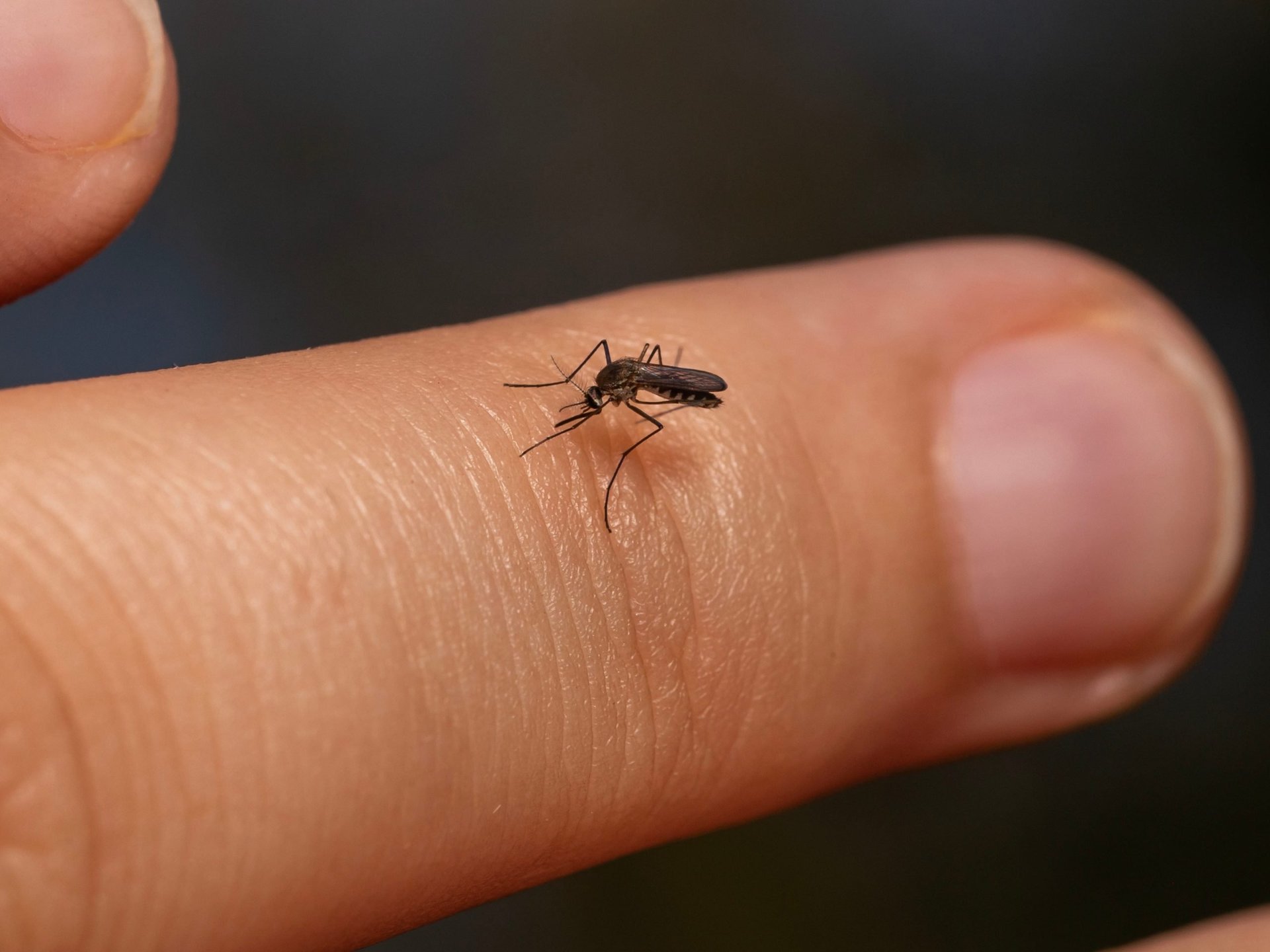
MVE is a rare but potentially fatal virus that can be transmitted through the bite of an infected mosquito. Symptoms of the disease include severe headaches, fever, nausea and vomiting, muscle aches, drowsiness, confusion, and seizures.


In the worst-case scenario, MVE can cause severe neurological impairment and even death.
The NT Health Department has warned that mosquito numbers are expected to remain high in the Top End until late July, putting thousands of people at risk of contracting the disease.
The department has urged residents and visitors to take drastic measures to protect themselves, including wearing protective clothing, using insect repellent, and avoiding areas where mosquitoes are most active.
Analysis: What This Means for Australia
The outbreak of MVE in the Northern Territory has significant implications for public health and safety in Australia.
The disease is a stark reminder of the importance of vector control and the need for individuals to take personal responsibility for protecting themselves against mosquito-borne diseases.
The NT Health Department’s warning highlights the urgent need for a coordinated response to the outbreak, including increased mosquito control activities and public education campaigns.
Security analysts say that the outbreak of MVE in the Northern Territory is a wake-up call for the entire country, highlighting the need for a comprehensive national strategy to combat mosquito-borne diseases.
“The outbreak of MVE in the Northern Territory is a stark reminder of the importance of vector control and the need for individuals to take personal responsibility for protecting themselves against mosquito-borne diseases,” said one expert.
The NT Health Department’s warning also highlights the economic implications of the outbreak, with the potential for widespread illness and even death to have a significant impact on local businesses and industries.
Industry observers believe that the outbreak could have a devastating impact on the tourism industry, which is a significant contributor to the NT’s economy.
In 2023, the NT experienced an outbreak of MVE, with a total of eight cases reported, including two deaths and two cases that resulted in severe neurological impairment.
Since the start of MVE surveillance in 1978, the NT has recorded 48 cases, including the two deaths this year.