
Churches to the Rescue: Can Faith-Based Housing Solve Wagga Wagga’s Homelessness Crisis?
- A newborn’s tragic death in a homeless tent has sparked urgent calls for action in Wagga Wagga, with churches being touted as a potential solution.
- Community leaders are urging churches to open up their halls or provide underutilised land for social housing, citing successful examples in other areas.
- The NSW government has expressed openness to exploring faith-based land for housing, but red tape and costs remain a significant hurdle.
- Experts warn that without a community-led response, the homelessness crisis will only worsen, with far-reaching consequences for public health and safety.
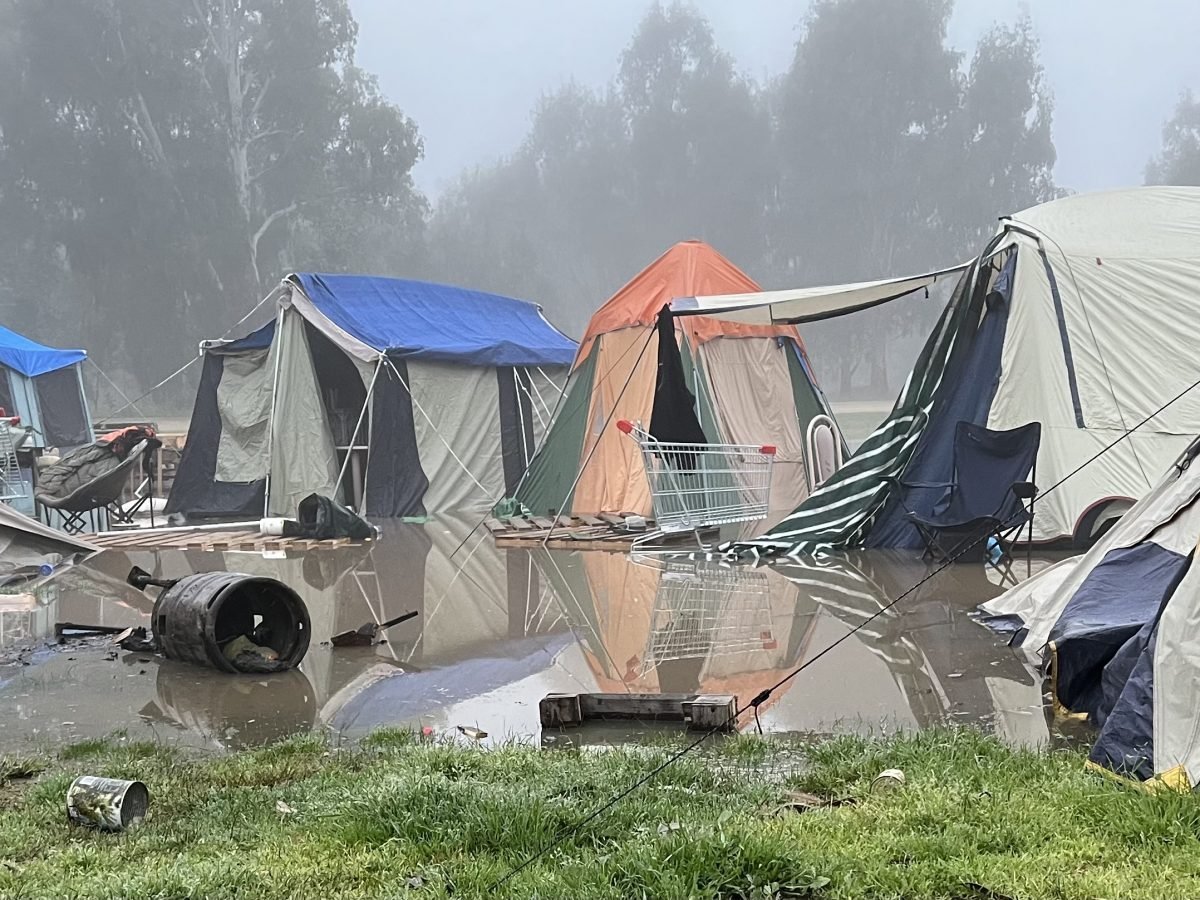
The death of a newborn baby in a homeless tent in Wagga Wagga has sent shockwaves through the community, prompting urgent calls for action to address the city’s spiralling homelessness crisis.
As the NSW government scrambles to respond, a potential solution is emerging: faith-based housing. Community leaders are urging churches to open up their halls or provide underutilised land for social housing, citing successful examples in other areas.
At the forefront of this push is Vickie Burkinshaw from the Wagga Women’s Health Centre, who argues that churches and faith-based communities could provide an immediate solution to the crisis.
“We really feel that this is a community crisis that needs a community response,” she said. “Churches and faith-based groups deeply care about their communities.
That’s their whole reason for being.” Amanda Bailey, CEO of Faith Housing Australia, agrees, saying that faith-based groups are well-placed to address the housing gaps in Wagga Wagga.



However, the process of rezoning church land for residential use is costly and time-consuming, with estimates suggesting it could take up to 12 months and cost $150,000.
The Wagga Wagga City Council has declined to comment on whether it would consider fast-tracking the rezoning process, despite indicating a willingness to work with the NSW government to find solutions to the homelessness crisis.
Meanwhile, a senior minister with Shoalhaven-based church group Salt Ministries is sharing his own experience of successfully establishing an emergency shelter in a council-owned building.
Peter Dover says that the key to success lies in collaboration and a willingness to put differences aside. “It doesn’t work by blaming this and blaming that,” he said.
“It’s about us coming together and putting those differences aside and going, ‘we can do this’.”
Analysis: What This Means for Australia
The homelessness crisis in Wagga Wagga is a stark reminder of the need for a coordinated and community-led response to this complex issue. As the NSW government explores opportunities for utilising faith-based land, it is clear that a one-size-fits-all solution will not work.
Instead, a tailored approach that takes into account the unique needs and challenges of each community is required.
The success of faith-based housing initiatives in other areas suggests that this could be a vital part of the solution, but it will require a willingness to navigate red tape and work collaboratively with all stakeholders.
Security analysts warn that the homelessness crisis has significant implications for public safety and health, particularly in areas with high concentrations of rough sleepers. “The longer people are forced to live on the streets, the more vulnerable they become to exploitation and violence,” said one expert.
“It’s a ticking time bomb, and we need to take action now to address it.”
Law enforcement insiders also point to the need for a more nuanced approach to policing, one that prioritises support and services over enforcement. “We can’t arrest our way out of this problem,” said one source.
“We need to work with social services and community groups to get people the help they need.”
As the NSW government grapples with the complexities of the homelessness crisis, it is clear that faith-based housing could play a critical role in providing a safety net for those in need.
But it will require a willingness to think outside the box and work collaboratively with all stakeholders to find solutions. The question is, will they rise to the challenge?