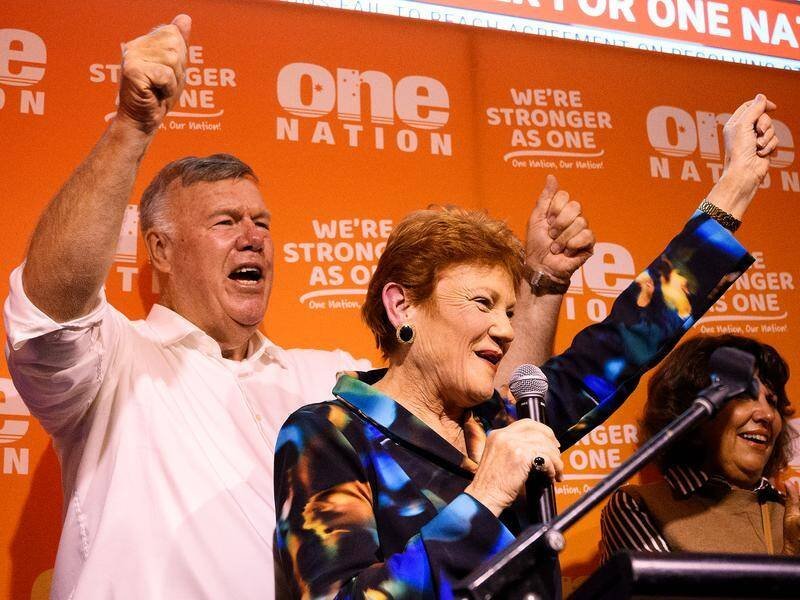
Pauline Hanson’s Power Play: One Nation Leader Sets Sights on Central Queensland in Bid to Shake Up the Nationals’ Stronghold
- Pauline Hanson seeks to establish an additional electorate office in the Nationals’ held seat of Capricornia, sparking speculation of a potential lower house contest
- The One Nation leader denies plans to move her Brisbane office, instead aiming to improve access to regional Australia
- Nationals MP Michael McCormack accuses Hanson of being “bullish” after One Nation’s win in the NSW seat of Farrer
- One Nation’s rising popularity poses a threat to the Coalition, with the party polling ahead of Labor on primary vote
The move by Pauline Hanson to establish an additional electorate office in the Nationals’ held seat of Capricornia has sparked speculation of a potential showdown between the One Nation leader and incumbent Nationals MP Michelle Landry.
However, a spokesperson for One Nation has confirmed that Senator Hanson is not planning to move her office from Brisbane, but rather expand her party’s presence in regional Australia.
The seat of Capricornia, located in Central Queensland, has been held by the Nationals since 2013.
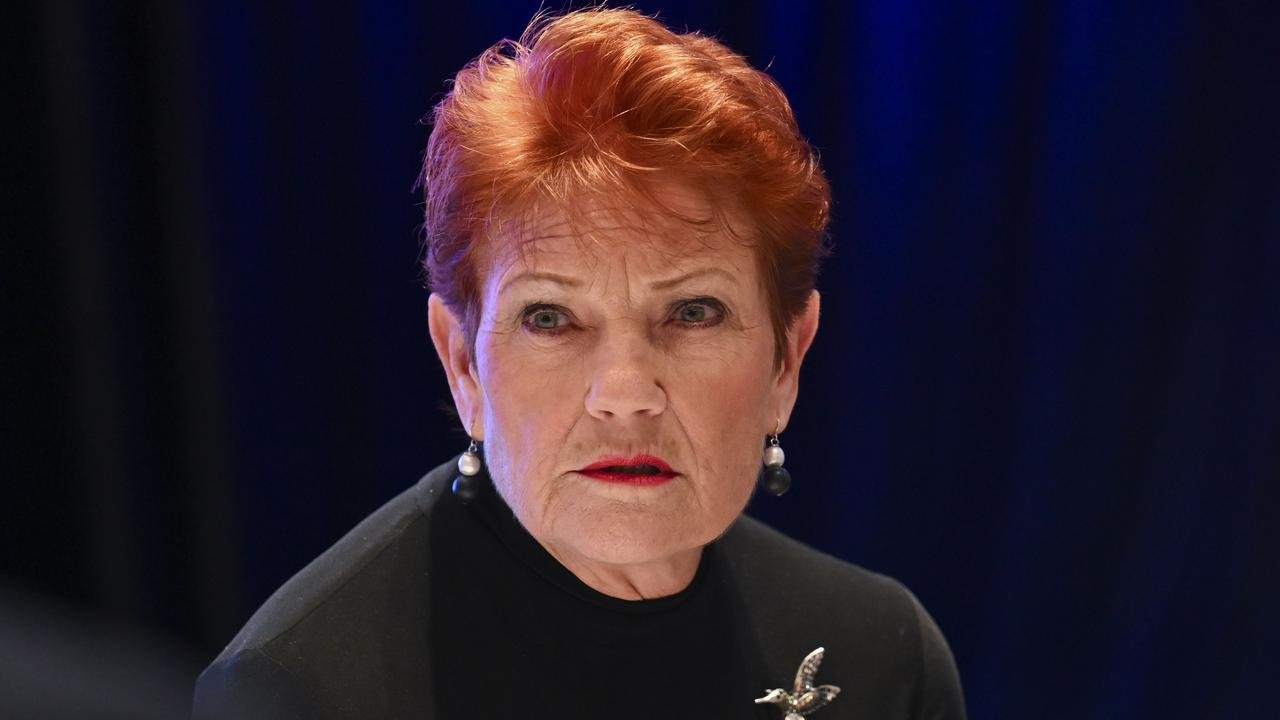
Senator Hanson’s inquiry about a potential office in the area has been met with skepticism by Nationals MP Michael McCormack, who questioned the One Nation leader’s commitment to taking on Labor.
“If Pauline is so serious about getting rid of Labor, why doesn’t she set her office up in Labor heartland?” McCormack asked.
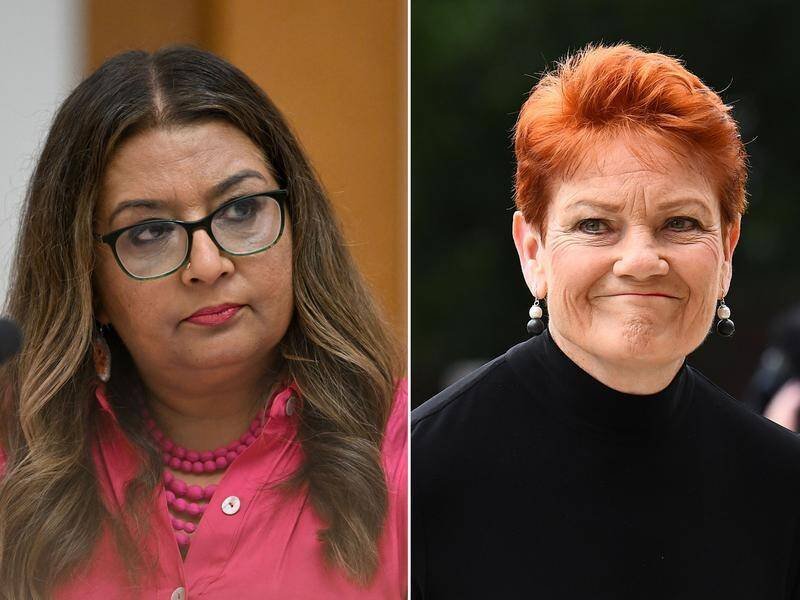



McCormack also pointed to One Nation’s recent win in the NSW seat of Farrer, formerly held by Opposition Leader Sussan Ley, as evidence of the party’s “bullish” attitude.
However, he warned that the party’s success would be short-lived, saying “it’s a long time until the next election, let’s see how they go over that period.”
One Nation’s rising popularity has been evident in recent polling, with the party polling ahead of Labor on primary vote.
According to a Roy Morgan poll following the 2026 federal budget, One Nation would be able to threaten Labor’s ability to form government, with Labor holding a narrow 51 to 49 per cent lead on two-party preferred.
Senator Hanson has also been weighing up a move from the Senate to the House of Representatives, which would allow her to potentially become Prime Minister.
However, this move would require her to win a seat in the lower house, a task that would be difficult given the Nationals’ stronghold on the area.
Analysis: What This Means for Australia
One Nation’s growing popularity and Senator Hanson’s plans to expand the party’s presence in regional Australia pose a significant threat to the Coalition’s grip on power.
The party’s success in the NSW seat of Farrer has shown that it can win seats in traditionally safe Coalition areas, and its polling ahead of Labor on primary vote suggests that it could potentially hold the balance of power in the next election.
Security analysts say that One Nation’s rise to prominence highlights the need for the major parties to re-examine their policies and reconnect with voters in regional Australia.
“The success of One Nation is a wake-up call for the Coalition and Labor,” said one analyst. “They need to take a long, hard look at their policies and ask themselves whether they are truly representing the interests of regional Australians.”
Law enforcement insiders warn that One Nation’s populist rhetoric and anti-immigration policies could potentially fuel social unrest and division. “One Nation’s policies are designed to appeal to people’s emotions, rather than their rational thinking,” said one insider.
“This can create a toxic environment that fosters division and hostility towards minority groups.”
Industry observers believe that One Nation’s rise to prominence could have significant economic implications for Australia.
“One Nation’s policies are often focused on protecting Australian jobs and industries, but this can come at the cost of international trade and investment,” said one observer.
“If One Nation were to hold the balance of power, it could potentially lead to a more protectionist economic agenda, which would have significant implications for Australian businesses and consumers.”