Flight from Hell: Medical Emergency Forces International Plane to Make Emergency Landing in Queensland
- Air New Zealand flight ANZ81 was diverted to Brisbane Airport after a medical emergency on board
- The Boeing 787-9 Dreamliner was forced to dump fuel to reduce weight before landing
- The flight was just four hours into its journey from Auckland to Hong Kong when the emergency unfolded
- The plane has since departed Brisbane and is back on its way to Hong Kong, but the incident raises questions about in-flight emergencies and passenger safety
Panic erupted on board an Air New Zealand flight when a medical emergency forced the pilot to make a sudden diversion to Brisbane Airport, leaving hundreds of passengers shaken and concerned for their safety.
The Boeing 787-9 Dreamliner, flight ANZ81, was just four hours into its journey from Auckland to Hong Kong when the emergency unfolded, prompting the pilot to sharply turn the plane towards Queensland.
The flight, which departed Auckland at 10:30 am local time, was scheduled to land in Hong Kong at 3 pm local time. However, the medical emergency on board meant that the plane had to be diverted to the nearest airport, with Brisbane being the safest option.
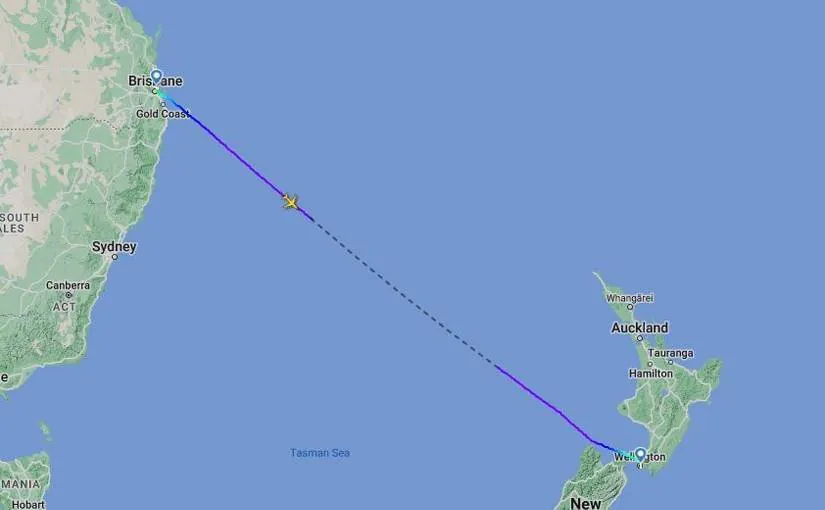
The plane was forced to dump fuel to reduce its weight to below its maximum landing weight, a standard procedure in emergency landings to avoid damage to the aircraft.
According to Brisbane Airport officials, the medical emergency was the reason for the sudden landing, with the flight arriving in Brisbane just before 1 pm. Air New Zealand confirmed that the flight departed Brisbane a short time later and is back en route to Hong Kong.




However, the incident has raised concerns about in-flight emergencies and the preparedness of airlines to deal with such situations.
So, what happens when a medical emergency occurs on a flight? And how do airlines prepare for such situations?
in-flight emergencies are rare, but they can be fatal if not handled properly. In this case, the quick thinking of the pilot and the crew likely prevented a more serious outcome.
However, the incident highlights the need for airlines to have robust emergency procedures in place.
Analysis: What This Means for Australia
The incident is a wake-up call for Australian airlines and aviation authorities to review their emergency procedures and ensure that they are equipped to handle medical emergencies on flights.
With the rise of international travel, the risk of in-flight emergencies is increasing, and airlines must be prepared to deal with such situations.
Australian Transport Safety Bureau (ATSB) has guidelines in place for airlines to follow in the event of a medical emergency, but the incident highlights the need for more stringent protocols.
Security analysts say that the incident is a reminder of the importance of having well-trained crew members on board. “In-flight emergencies can be unpredictable and require quick thinking and decisive action,” said a security expert.
“Airlines must ensure that their crew members are trained to handle such situations and have the necessary equipment and resources to respond effectively.”
As the incident is investigated, questions will be raised about the preparedness of Air New Zealand and the response of the crew.
However, one thing is clear – the incident is a stark reminder of the risks associated with air travel and the need for airlines to prioritize passenger safety above all else.