
Fracking Frenzy: WA Premier’s Shocking Threat to Open Up Kimberley to Gas Drilling Sparks Outrage
- Premier Roger Cook warns of fracking in the Kimberley if Woodside’s $30 billion offshore Browse project is rejected
- Conservation groups slam the move as “environmental blackmail” and vow to fight it
- Energy experts say the issue is more complex than a simple choice between Browse gas and Kimberley fracking
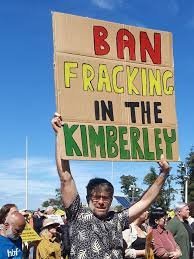
- Protesters descend on Parliament House, demanding the government ban fracking in the state
The Kimberley region in Western Australia is on the cusp of a gas drilling frenzy, with Premier Roger Cook threatening to open up the area to fracking if Woodside Energy’s $30 billion offshore Browse project is rejected.
The move has sparked outrage among conservation groups, who are accusing the government of “environmental blackmail”.
The Browse project, which aims to extract gas from the Browse Basin, has been met with fierce opposition from environmental groups, who claim it will harm the delicate ecosystem of the nearby Scott Reef.
The project’s fate is still uncertain, with a public consultation currently underway on proposed changes to minimize its environmental impact.
But Premier Cook is already looking at alternative options, warning that if the Browse project is rejected, the state may be forced to allow fracking in the Kimberley to meet its future energy needs.
The move would be a major blow to conservation efforts in the region, which is home to some of the most pristine and untouched wilderness in the country.
The mining sector has welcomed the premier’s remarks, saying that gas and the proposed Browse development are critical to WA’s energy security. But environmental groups are furious, with the Conservation Council accusing the government of trying to “destroy precious places like Scott Reef and the Kimberley”.
The Greens have also weighed in on the debate, with MP Sophie McNeill calling the premier’s comments “disgusting” and accusing him of trying to “blackmail” the community into supporting the Browse project.
“This is a complete disgrace,” she said. The issue is not as simple as a choice between Browse gas and Kimberley fracking, according to energy analyst Kevin Morrison.
He says that fracking proposals in the region have faced significant challenges, including a lack of water supply in a desert environment. “It’s not as if you can just turn up with a drill and you’ve found gas and you can sell it,” he said.
Morrison argues that if the government is worried about domestic gas shortages, it should instead strengthen enforcement of WA’s gas reservation policy, which requires gas companies to reserve 15% of their production for the domestic market.
Currently, compliance levels are well below this target. The debate over fracking in the Kimberley is not new.
In 2018, the then McGowan government lifted the state’s moratorium on fracking, allowing it in certain parts of the state, including the Kimberley. The move sparked widespread protests by environmental groups and concern from some traditional owners about the long-term impacts.
Analysis: What This Means for AustraliaThe prospect of fracking in the Kimberley has significant implications for Australia’s energy security and environmental policy.
If the Browse project is rejected, it could lead to a shortage of domestic gas supply, which could have serious consequences for households and industry. But the issue also raises questions about the government’s commitment to environmental protection.
The Kimberley is one of the most pristine and untouched regions in the country, and the introduction of fracking could have devastating consequences for the local ecosystem.
The government’s decision to allow fracking in the Kimberley could also set a precedent for other states and territories, which could lead to a surge in gas drilling activity across the country.
This could have significant implications for Australia’s climate change commitments and its reputation as a global leader in environmental protection.
As the debate over fracking in the Kimberley continues to rage, one thing is clear: the stakes are high, and the consequences of the government’s decision will be far-reaching.
Security analysts say that the government’s decision to allow fracking in the Kimberley could also have significant implications for national security.
“The introduction of fracking in the region could lead to increased tensions with local communities and traditional owners, which could have serious consequences for social cohesion and national security,” one analyst said.
Law enforcement insiders warn that the government’s decision could also lead to increased protests and activism, which could put a strain on police resources and lead to increased costs for taxpayers.
Industry observers believe that the government’s decision could also have significant economic implications, particularly for the tourism and agriculture sectors.
“The introduction of fracking in the Kimberley could lead to increased environmental degradation and decreased tourism, which could have serious consequences for local businesses and the economy,” one observer said.
As the debate over fracking in the Kimberley continues to unfold, one thing is clear: the government’s decision will have far-reaching consequences for Australia’s energy security, environmental policy, and national security.
The Kimberley region in Western Australia is on the cusp of a gas drilling frenzy, with Premier Roger Cook threatening to open up the area to fracking if Woodside Energy’s $30 billion offshore Browse project is rejected. The move has sparked outrage among conservation groups, who are accusing the government of “environmental blackmail”.
The Browse project, which aims to extract gas from the Browse Basin, has been met with fierce opposition from environmental groups, who claim it will harm the delicate ecosystem of the nearby Scott Reef. The project’s fate is still uncertain, with a public consultation currently underway on proposed changes to minimize its environmental impact.
But Premier Cook is already looking at alternative options, warning that if the Browse project is rejected, the state may be forced to allow fracking in the Kimberley to meet its future energy needs. The move would be a major blow to conservation efforts in the region, which is home to some of the most pristine and untouched wilderness in the country.
The mining sector has welcomed the premier’s remarks, saying that gas and the proposed Browse development are critical to WA’s energy security. But environmental groups are furious, with the Conservation Council accusing the government of trying to “destroy precious places like Scott Reef and the Kimberley”.
The Greens have also weighed in on the debate, with MP Sophie McNeill calling the premier’s comments “disgusting” and accusing him of trying to “blackmail” the community into supporting the Browse project. “This is a complete disgrace,” she said.
The issue is not as simple as a choice between Browse gas and Kimberley fracking, according to energy analyst Kevin Morrison. He says that fracking proposals in the region have faced significant challenges, including a lack of water supply in a desert environment. “It’s not as if you can just turn up with a drill and you’ve found gas and you can sell it,” he said.
Morrison argues that if the government is worried about domestic gas shortages, it should instead strengthen enforcement of WA’s gas reservation policy, which requires gas companies to reserve 15% of their production for the domestic market. Currently, compliance levels are well below this target.
The debate over fracking in the Kimberley is not new. In 2018, the then McGowan government lifted the state’s moratorium on fracking, allowing it in certain parts of the state, including the Kimberley. The move sparked widespread protests by environmental groups and concern from some traditional owners about the long-term impacts.
The prospect of fracking in the Kimberley has significant implications for Australia’s energy security and environmental policy. If the Browse project is rejected, it could lead to a shortage of domestic gas supply, which could have serious consequences for households and industry.
But the issue also raises questions about the government’s commitment to environmental protection. The Kimberley is one of the most pristine and untouched regions in the country, and the introduction of fracking could have devastating consequences for the local ecosystem.
The government’s decision to allow fracking in the Kimberley could also set a precedent for other states and territories, which could lead to a surge in gas drilling activity across the country. This could have significant implications for Australia’s climate change commitments and its reputation as a global leader in environmental protection.
As the debate over fracking in the Kimberley continues to rage, one thing is clear: the stakes are high, and the consequences of the government’s decision will be far-reaching.
Security analysts say that the government’s decision to allow fracking in the Kimberley could also have significant implications for national security. “The introduction of fracking in the region could lead to increased tensions with local communities and traditional owners, which could have serious consequences for social cohesion and national security,” one analyst said.
Law enforcement insiders warn that the government’s decision could also lead to increased protests and activism, which could put a strain on police resources and lead to increased costs for taxpayers.
Industry observers believe that the government’s decision could also have significant economic implications, particularly for the tourism and agriculture sectors. “The introduction of fracking in the Kimberley could lead to increased environmental degradation and decreased tourism, which could have serious consequences for local businesses and the economy,” one observer said.
As the debate over fracking in the Kimberley continues to unfold, one thing is clear: the government’s decision will have far-reaching consequences for Australia’s energy security, environmental policy, and national security.