
Pauline Hanson’s Gas Gamble: One Nation’s Radical Plan to Take 30% Stake in Australia’s ‘Miracle’ Gas Ventures
- Pauline Hanson’s One Nation party has unveiled a radical plan to acquire a 30% equity stake in Australia’s new gas ventures, inspired by Norway’s model.
- The proposal would see the federal government take a 30% stake in gas production licenses, in exchange for a 30% rebate on oil and gas exploration in Commonwealth waters.
- The move has been slammed by the Greens and other critics, who claim it would prop up the gas industry and undermine efforts to transition to renewable energy.
- But Senator Hanson says the plan would drive more exploration, development, and production, while also ensuring responsible end-of-life management and protecting the environment.
The federal government’s potential 30% stake in Australia’s gas ventures has sparked a heated debate about the country’s energy future.
One Nation’s proposal, announced by Senator Pauline Hanson at the Australia Energy Producers conference in Adelaide, has been met with both praise and criticism from industry insiders and environmentalists alike.
According to Senator Hanson, the plan is designed to drive more exploration, development, and production, while also ensuring responsible end-of-life management and protecting the environment.
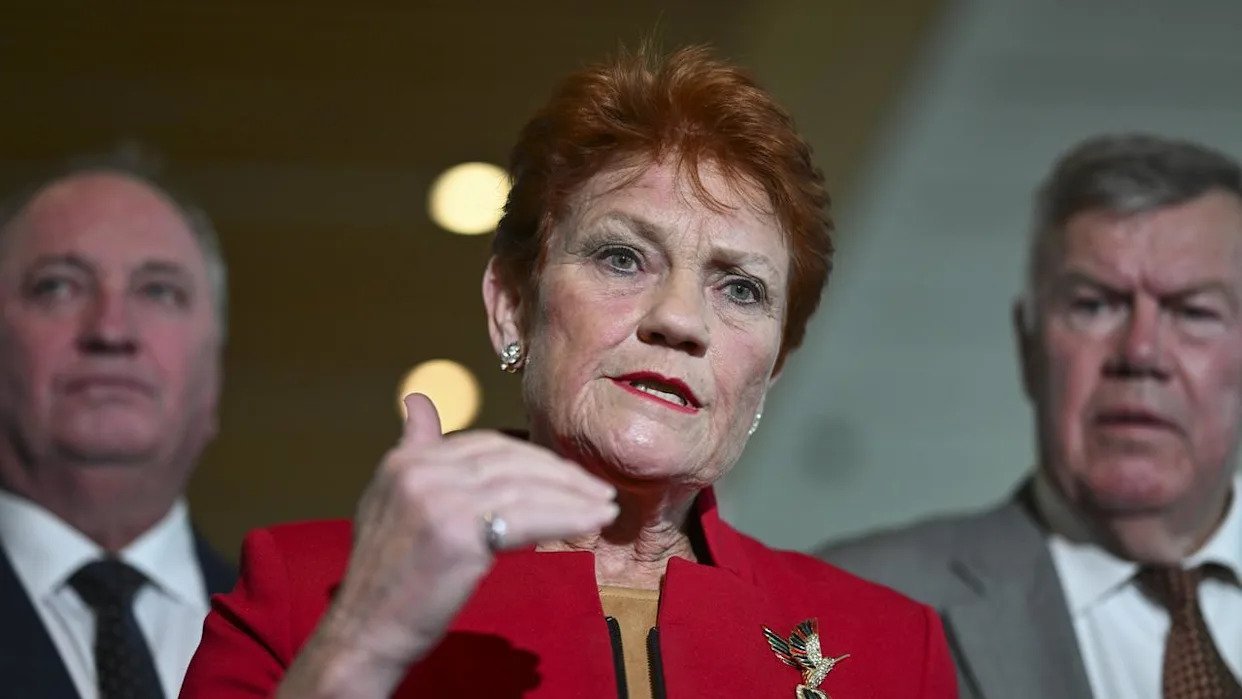
Under the proposal, the Commonwealth would take up to 30% equity in issued production licenses, in exchange for a 30% rebate on genuine oil and gas exploration in Commonwealth waters.
The government would be responsible for its costs as an equity partner, including participation in decommissioning, and would be entitled to a proportionate share of the production.
But critics have slammed the plan, claiming it would prop up the gas industry and undermine efforts to transition to renewable energy.
The Greens and other environmental groups have long advocated for a more rapid shift away from fossil fuels, citing the need to address climate change and reduce Australia’s carbon footprint.
Senator Hanson has dismissed these concerns, claiming that the plan would provide predictability to foreign investors and ensure the long-term viability of the gas industry.
She pointed to Norway’s success in managing its own gas resources, which has resulted in a sovereign wealth fund of nearly $3 trillion.
One Nation’s proposal has also been compared to the Coalition’s promise to fast-track new gas proposals, and Labor’s plan to set a new mandatory gas reservation requiring exporters to supply 20% of their total production to the domestic market.
However, Senator Hanson denies that her plan is at odds with her party’s opposition to hydraulic fracture stimulation in South Australia. In fact, Senator Hanson has stated that her policy is focused on Commonwealth waters, rather than onshore gas production.
She has expressed concerns about the potential impact of fracking on agricultural land and water tables, particularly in the southeast of South Australia, where One Nation holds the seat of MacKillop.
Analysis: What This Means for AustraliaOne Nation’s proposal has significant implications for Australia’s energy future, and raises important questions about the role of government in the gas industry.
On the one hand, the plan could provide a much-needed boost to the sector, driving investment and job creation.
On the other hand, it could also be seen as a desperate attempt to prop up a dying industry, and undermine efforts to transition to renewable energy.
Security analysts say that the proposal highlights the need for a more nuanced approach to energy policy, one that balances the need for economic growth with the need to address climate change.
“Australia needs a comprehensive energy policy that takes into account the complex interplay between economic, environmental, and social factors,” said one analyst.
“One Nation’s proposal is just one part of the puzzle, but it’s an important step towards a more sustainable energy future.”
Law enforcement insiders warn that the proposal could also have significant implications for national security, particularly in terms of the potential for increased investment in the sector.
“As the gas industry grows, so too does the risk of cyber attacks and other forms of malicious activity,” said one insider.
“The government needs to ensure that it has the necessary measures in place to protect our critical infrastructure and prevent any potential threats.”
Industry observers believe that the proposal could also have significant economic consequences, particularly in terms of the potential for increased competition and job creation.
“The gas industry is a significant contributor to Australia’s GDP, and any increase in investment could have a positive impact on the economy,” said one observer.
“However, it’s also important to consider the potential risks and challenges associated with increased production, and ensure that the government is taking a responsible and sustainable approach to energy policy.”
Ultimately, One Nation’s proposal is just one part of a much larger conversation about Australia’s energy future.
As the country continues to grapple with the challenges of climate change and economic growth, it’s clear that a more nuanced and comprehensive approach to energy policy is needed.
The federal government’s potential 30% stake in Australia’s gas ventures has sparked a heated debate about the country’s energy future. One Nation’s proposal, announced by Senator Pauline Hanson at the Australia Energy Producers conference in Adelaide, has been met with both praise and criticism from industry insiders and environmentalists alike.
According to Senator Hanson, the plan is designed to drive more exploration, development, and production, while also ensuring responsible end-of-life management and protecting the environment. Under the proposal, the Commonwealth would take up to 30% equity in issued production licenses, in exchange for a 30% rebate on genuine oil and gas exploration in Commonwealth waters. The government would be responsible for its costs as an equity partner, including participation in decommissioning, and would be entitled to a proportionate share of the production.
But critics have slammed the plan, claiming it would prop up the gas industry and undermine efforts to transition to renewable energy. The Greens and other environmental groups have long advocated for a more rapid shift away from fossil fuels, citing the need to address climate change and reduce Australia’s carbon footprint.
Senator Hanson has dismissed these concerns, claiming that the plan would provide predictability to foreign investors and ensure the long-term viability of the gas industry. She pointed to Norway’s success in managing its own gas resources, which has resulted in a sovereign wealth fund of nearly $3 trillion.
One Nation’s proposal has also been compared to the Coalition’s promise to fast-track new gas proposals, and Labor’s plan to set a new mandatory gas reservation requiring exporters to supply 20% of their total production to the domestic market. However, Senator Hanson denies that her plan is at odds with her party’s opposition to hydraulic fracture stimulation in South Australia.
In fact, Senator Hanson has stated that her policy is focused on Commonwealth waters, rather than onshore gas production. She has expressed concerns about the potential impact of fracking on agricultural land and water tables, particularly in the southeast of South Australia, where One Nation holds the seat of MacKillop.
One Nation’s proposal has significant implications for Australia’s energy future, and raises important questions about the role of government in the gas industry. On the one hand, the plan could provide a much-needed boost to the sector, driving investment and job creation. On the other hand, it could also be seen as a desperate attempt to prop up a dying industry, and undermine efforts to transition to renewable energy.
Security analysts say that the proposal highlights the need for a more nuanced approach to energy policy, one that balances the need for economic growth with the need to address climate change. “Australia needs a comprehensive energy policy that takes into account the complex interplay between economic, environmental, and social factors,” said one analyst. “One Nation’s proposal is just one part of the puzzle, but it’s an important step towards a more sustainable energy future.”
Law enforcement insiders warn that the proposal could also have significant implications for national security, particularly in terms of the potential for increased investment in the sector. “As the gas industry grows, so too does the risk of cyber attacks and other forms of malicious activity,” said one insider. “The government needs to ensure that it has the necessary measures in place to protect our critical infrastructure and prevent any potential threats.”
Industry observers believe that the proposal could also have significant economic consequences, particularly in terms of the potential for increased competition and job creation. “The gas industry is a significant contributor to Australia’s GDP, and any increase in investment could have a positive impact on the economy,” said one observer. “However, it’s also important to consider the potential risks and challenges associated with increased production, and ensure that the government is taking a responsible and sustainable approach to energy policy.”
Ultimately, One Nation’s proposal is just one part of a much larger conversation about Australia’s energy future. As the country continues to grapple with the challenges of climate change and economic growth, it’s clear that a more nuanced and comprehensive approach to energy policy is needed.