Second Fatal Shark Attack in Two Weeks Rocks Australian Beachgoers: ‘Unprecedented’ Spike in Deadly Encounters Along Queensland Coast
- A 39-year-old man has died after being mauled by a shark in Far North Queensland, just 160 kilometres south of Cairns.
- The attack occurred at Kennedy Shoal, a reef site near Hull Heads, where the victim was pulled from the water with severe injuries.
- This is the second fatal shark attack in Australian waters in as many weeks, sparking concerns about the safety of the country’s beaches.
- Experts warn that the recent surge in shark attacks may be linked to changes in ocean temperatures and the movement of shark species into new habitats.
The tranquility of the Hull Heads seaside town in Far North Queensland was shattered on Sunday when a 39-year-old man succumbed to his injuries after being attacked by a shark.
The incident has sent shockwaves along the coast, coming just two weeks after a similar fatal attack off Rottnest Island in Western Australia.
As the community grapples with the consequences of these devastating events, questions are being raised about the safety of Australia’s beaches and the potential causes behind this unprecedented spike in shark encounters.
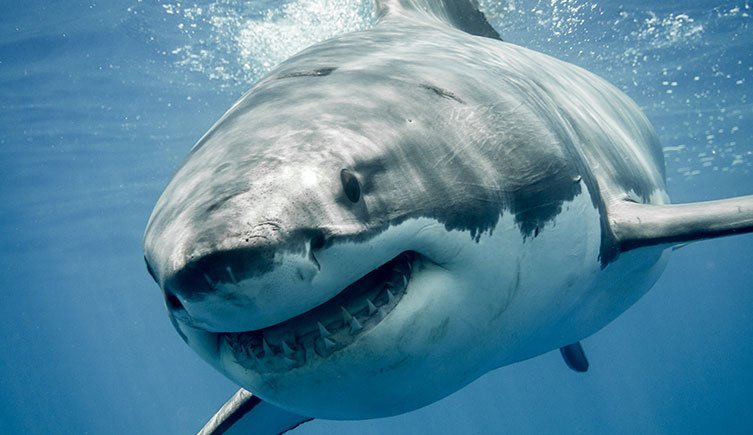
According to eyewitnesses, the victim was at Kennedy Shoal, a popular reef site near Hull Heads, when the attack occurred. Emergency services were called to the Hull River boat ramp just after 12pm, and the man was retrieved from the water with severe injuries.
Despite efforts to save him, he later died from his wounds. Queensland Police have confirmed that a report will be prepared for the coroner.




The incident has left the local community reeling, with many residents expressing concerns about the safety of the waters. “It’s just devastating,” said one local resident.
“We’ve never had any problems with sharks here before. It’s just a tragedy.” As the investigation into the incident continues, authorities are urging beachgoers to exercise caution when entering the water.
Analysis: What This Means for AustraliaThe recent surge in shark attacks along the Australian coast has significant implications for national security and public safety.
As the country’s beaches are a major drawcard for tourists and locals alike, the risk of shark encounters poses a serious threat to the nation’s reputation and economy.
Furthermore, the increase in shark attacks raises questions about the effectiveness of current shark mitigation measures and the need for more robust strategies to protect beachgoers.
Security analysts say that the recent spike in shark attacks may be linked to changes in ocean temperatures and the movement of shark species into new habitats.
“As the climate continues to change, we’re seeing more and more species moving into new areas in search of food and suitable habitats,” said one expert.
“This can increase the risk of encounters between humans and sharks, particularly in areas where shark populations are already high.”
Law enforcement insiders warn that the recent attacks highlight the need for more effective shark mitigation measures, including improved surveillance and monitoring systems.
“We need to be able to track shark movements and identify areas of high risk,” said one insider.
“This will enable us to provide more effective warnings to beachgoers and reduce the risk of attacks.”
As the nation grapples with the consequences of these devastating events, it is clear that more needs to be done to protect Australia’s beaches and the people who use them.
By understanding the causes behind the recent surge in shark attacks and implementing effective mitigation measures, we can reduce the risk of further incidents and ensure that our beaches remain a safe and enjoyable destination for all.
The tranquility of the Hull Heads seaside town in Far North Queensland was shattered on Sunday when a 39-year-old man succumbed to his injuries after being attacked by a shark. The incident has sent shockwaves along the coast, coming just two weeks after a similar fatal attack off Rottnest Island in Western Australia. As the community grapples with the consequences of these devastating events, questions are being raised about the safety of Australia’s beaches and the potential causes behind this unprecedented spike in shark encounters.
According to eyewitnesses, the victim was at Kennedy Shoal, a popular reef site near Hull Heads, when the attack occurred. Emergency services were called to the Hull River boat ramp just after 12pm, and the man was retrieved from the water with severe injuries. Despite efforts to save him, he later died from his wounds. Queensland Police have confirmed that a report will be prepared for the coroner.
The incident has left the local community reeling, with many residents expressing concerns about the safety of the waters. “It’s just devastating,” said one local resident. “We’ve never had any problems with sharks here before. It’s just a tragedy.” As the investigation into the incident continues, authorities are urging beachgoers to exercise caution when entering the water.
The recent surge in shark attacks along the Australian coast has significant implications for national security and public safety. As the country’s beaches are a major drawcard for tourists and locals alike, the risk of shark encounters poses a serious threat to the nation’s reputation and economy. Furthermore, the increase in shark attacks raises questions about the effectiveness of current shark mitigation measures and the need for more robust strategies to protect beachgoers.
Security analysts say that the recent spike in shark attacks may be linked to changes in ocean temperatures and the movement of shark species into new habitats. “As the climate continues to change, we’re seeing more and more species moving into new areas in search of food and suitable habitats,” said one expert. “This can increase the risk of encounters between humans and sharks, particularly in areas where shark populations are already high.”
Law enforcement insiders warn that the recent attacks highlight the need for more effective shark mitigation measures, including improved surveillance and monitoring systems. “We need to be able to track shark movements and identify areas of high risk,” said one insider. “This will enable us to provide more effective warnings to beachgoers and reduce the risk of attacks.”
As the nation grapples with the consequences of these devastating events, it is clear that more needs to be done to protect Australia’s beaches and the people who use them. By understanding the causes behind the recent surge in shark attacks and implementing effective mitigation measures, we can reduce the risk of further incidents and ensure that our beaches remain a safe and enjoyable destination for all.