Australians Divided Over Albanese Government’s ‘Toxic’ Tax Changes: ‘Tax on Aspiration’ or Necessary Reform?
- Australians are sharply divided over the government’s capital gains tax (CGT) changes, with a new survey showing a net approval rating of zero.
- The most unpopular part of the federal budget is the changes to the CGT discount, with a net disapproval rating of -29 per cent.
- Housing Minister Clare O’Neill defends the budget measures, saying the government is making “hard calls” to fix the country’s broken housing market and budget.
- Liberal Senator Michaelia Cash slams the government for breaking election promises, calling the tax changes a “tax on aspiration” that will stifle Australian businesses.
The Albanese government’s proposed tax changes have sparked a heated debate, with Australians sharply divided over the measures.
A new survey by the Australian Financial Review (AFR) has revealed a net approval rating of zero for the capital gains tax (CGT) changes, with 36 per cent supporting the measure and 36 per cent opposing it.
The survey found that changes to the CGT discount were the least popular part of the new federal budget, while limiting future negative gearing had a net approval rating of just 7 per cent.
At the heart of the controversy are the government’s plans to slash the CGT discount from 50 per cent to 30 per cent. The move is expected to raise $11.6 billion over four years, but critics argue it will stifle innovation and punish Australian businesses.
Housing Minister Clare O’Neill defended the budget measures, saying the government was willing to make tough decisions to fix the country’s broken housing market and budget.



“If you’re looking around Australia and thinking everything’s going perfectly right now, maybe this is not the budget for you,” O’Neill told Sunrise on Wednesday.
“I see a country with a broken housing market, a budget that is heaving with the weight of an ageing population, additional defence needs, and a national disability insurance scheme that’s not working properly for the country.”
O’Neill argued that the budget would deliver tax cuts for every Australian worker and make significant changes to housing to help more Australians into first home ownership.
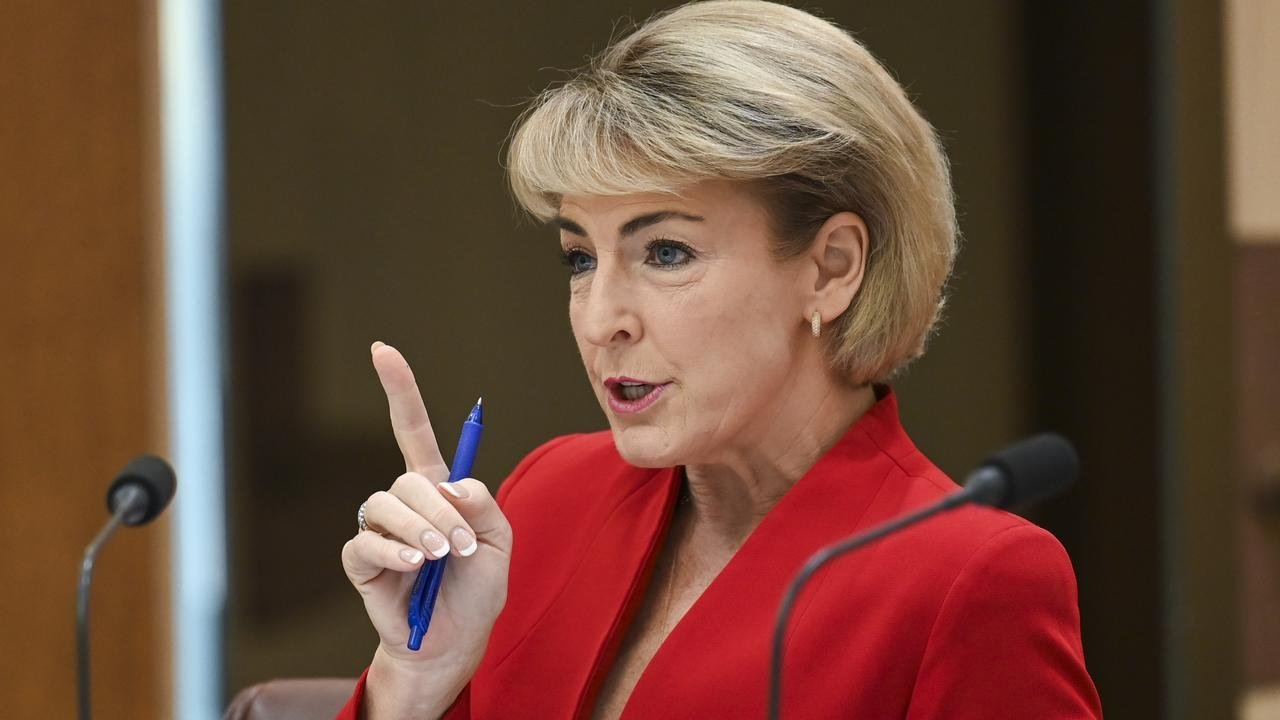
However, Liberal Senator Michaelia Cash accused the government of breaking election promises by introducing “toxic taxes” that will stifle Australian businesses.
“The more Australians hear about these toxic taxes that the Anthony Albanese government is proposing, the more they don’t like them,” Cash said. “This is nothing more and nothing less than a tax on aspiration, a tax on Australians taking risk, and a tax on innovation.”
Analysis: What This Means for Australia
The government’s tax changes have significant implications for Australia’s economy and national security. The changes to the CGT discount could stifle innovation and punish Australian businesses, potentially leading to a decline in economic growth.
On the other hand, the government’s efforts to fix the country’s broken housing market and budget could have long-term benefits for the economy.
Security analysts say the government’s tax changes could also have implications for national security.
“The government’s decision to slash the CGT discount could lead to a decline in investment in key sectors such as defence and technology,” said one analyst.
“This could have significant implications for Australia’s national security and ability to respond to emerging threats.”
Industry observers believe the government’s tax changes could also have social consequences. “The changes to the CGT discount could lead to a decline in the number of Australians able to afford their own homes,” said one observer.
“This could exacerbate existing social and economic inequalities in Australia.”
As the debate over the government’s tax changes continues, one thing is clear: Australians are deeply divided over the measures.
While some see the changes as necessary to fix the country’s broken housing market and budget, others believe they will stifle innovation and punish Australian businesses.
As the government moves forward with its plans, it will be important to carefully consider the implications of the tax changes for Australia’s economy, national security, and society as a whole.