‘A Nation in Denial’: Indigenous Leaders Slam Government Inaction as Closing the Gap Reports Reveal Devastating Lack of Progress
- Indigenous leaders Pat Anderson and Megan Davis say Closing the Gap reports show no progress and critical issues have worsened despite years of promises.
- The Uluru Dialogue co-chairs are calling for constitutional recognition of Indigenous people, nine years after the Uluru Statement from the Heart.
- Charity groups are warning of a growing divide between Indigenous and non-Indigenous Australians, with some communities facing drastic disadvantage.
- Experts say the government’s lack of consultation with Indigenous communities is exacerbating the problem, with many feeling ignored and disrespected.
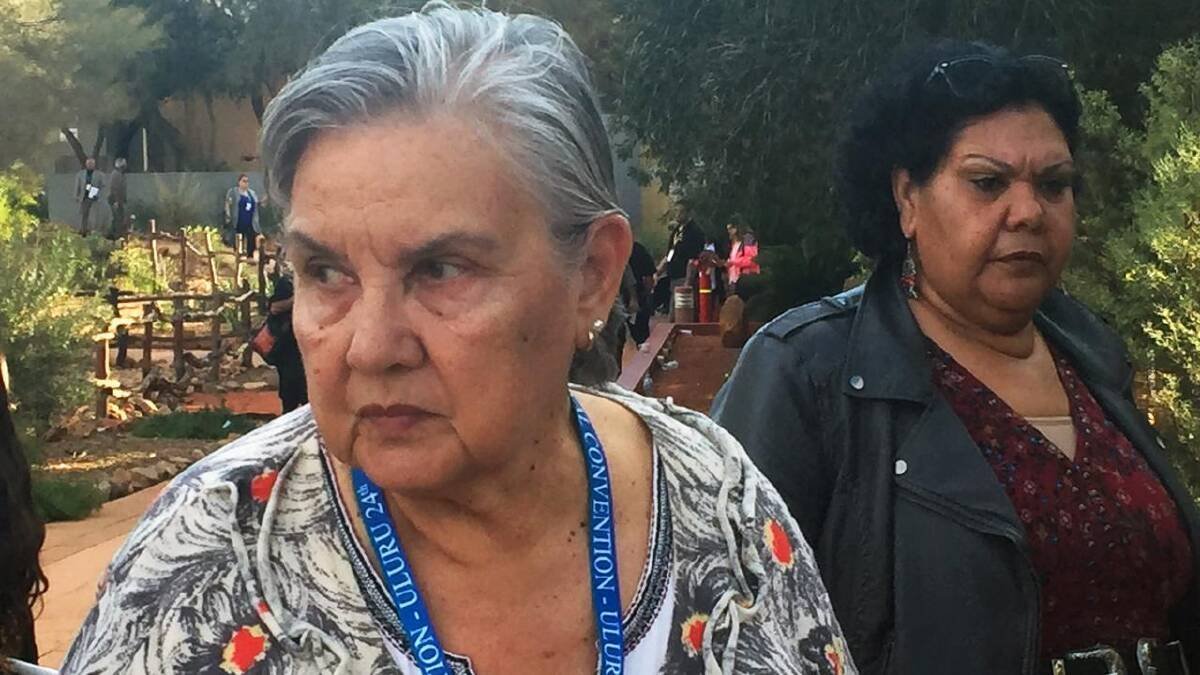
The architects of the Uluru Statement from the Heart have delivered a scathing assessment of the Australian government’s efforts to address Indigenous disadvantage, saying the latest Closing the Gap reports reveal a devastating lack of progress.
Pat Anderson and Megan Davis, co-chairs of the Uluru Dialogue, say the problems facing Indigenous communities have not only persisted but worsened in some respects, despite years of promises and policies.
The Uluru Statement, issued on May 26, 2017, called for a voice to parliament, constitutional recognition of Indigenous people, treaty making, and truth-telling about the colonial past.
However, Anderson and Davis say the government’s failure to deliver on these key demands has resulted in a further entrenchment of the issues, including high rates of incarceration and child removal from families.
The Closing the Gap reports, which measure the government’s progress in addressing Indigenous disadvantage, show no improvement in key areas. Anderson and Davis say this is a clear indication that the government’s approach is not working and that a new way forward is urgently needed.


“What has become increasingly clear since the referendum is that the problems and issues facing communities have not disappeared but are further entrenched and, in some respects, have become drastically worse,” they said in a statement.
The Uluru Dialogue is the group of First Nations leaders who led work on the Uluru Statement, issued nine years ago as “an olive branch to the Australian people to move forward as a nation”.
Anderson and Davis say the statement was a call to action, urging the government to work with Indigenous communities to address the deep-seated issues that have plagued them for centuries.
However, they say the government’s response has been woefully inadequate, with policies and programs announced without proper consultation with Indigenous communities.
Marking Reconciliation Week, the St Vincent de Paul Society said many people it supported were Indigenous, reflecting the impact of intergenerational disadvantage in housing, income, and access to essential services.
The charity’s president, Mark Gaetani, said the society urged Australians to listen to Indigenous voices and support solutions shaped by their communities.
“This is the only way that we as a nation can close the gap that exists between most Australians and our Aboriginal and Torres Strait Islander sisters and brothers,” he said.
Aunty Munya Andrews, of Evolve Communities, a group providing cultural awareness and reconciliation training, warned that Australia was entering “a dangerous new phase of division”. “The recent public backlash against Welcome to Country ceremonies should concern all Australians,” she said.
“We recently saw Welcome to Country ceremonies booed at Anzac Day services. This is not the Australia we want to be.”
Analysis: What This Means for Australia
The lack of progress in addressing Indigenous disadvantage has serious implications for Australia’s national security, law enforcement, and social cohesion.
The continued entrenchment of issues such as high rates of incarceration and child removal from families has the potential to create a ticking time bomb of social unrest and community division.
Furthermore, the government’s failure to deliver on its promises to Indigenous communities has the potential to undermine trust and exacerbate feelings of disrespect and marginalization.
Security analysts say the government’s inaction on Indigenous disadvantage is a national security risk, as it has the potential to create a sense of disillusionment and disconnection among Indigenous Australians.
“When communities feel ignored and disrespected, it can create a sense of hopelessness and frustration, which can manifest in violent and destructive ways,” one analyst said.
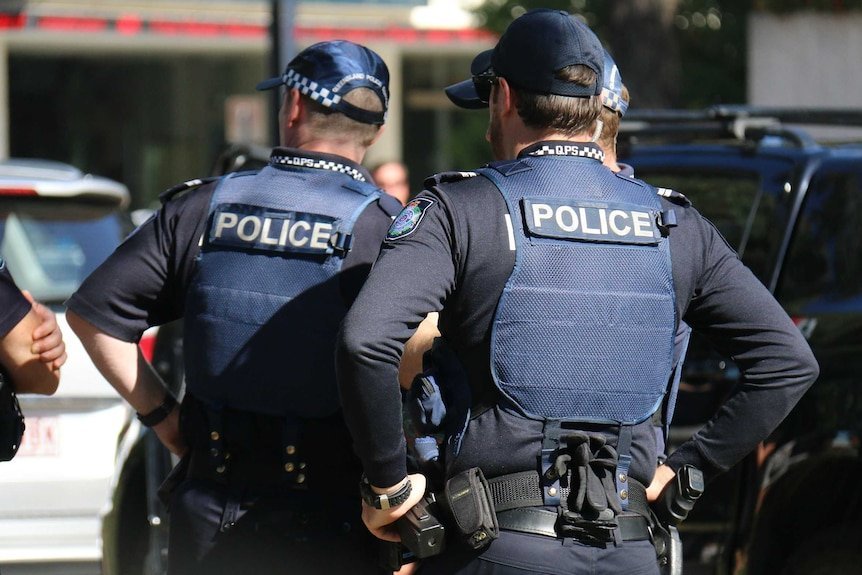
Law enforcement insiders warn that the government’s failure to address Indigenous disadvantage is putting a huge strain on police resources, as they are forced to deal with the symptoms of a much deeper problem.
“We need to address the root causes of Indigenous disadvantage, rather than just treating the symptoms,” one insider said.
Industry observers believe that the government’s inaction on Indigenous disadvantage is also having a significant impact on the economy, as it is estimated that the cost of Indigenous disadvantage is in the billions of dollars each year.
“The cost of not addressing Indigenous disadvantage is far greater than the cost of addressing it,” one observer said.