
Australian Government Takes on Global Giant 3M in $2 Billion Lawsuit Over ‘Forever Chemicals’ Contamination
- The federal government is seeking $2 billion in damages from 3M and 3M Australia over PFAS contamination at 28 Defence Force bases.
- The lawsuit alleges 3M withheld test results showing significant adverse environmental effects of its PFAS products.
- The contamination has already cost taxpayers over $1 billion to investigate, remediate, and mitigate.
- 3M faces a growing number of lawsuits globally over PFAS contamination, including a $US10.3 billion settlement in the US.
The Australian government has launched a landmark lawsuit against 3M, the manufacturer of a firefighting foam containing PFAS, which has contaminated 28 Defence Force bases across the country.
The federal government is seeking $2 billion in damages, alleging that 3M withheld the results of its own environmental laboratory testing that showed significant adverse environmental effects associated with its PFAS products.
This is the largest legal claim ever brought by the Commonwealth, and it marks a significant escalation in the government’s efforts to hold 3M accountable for the widespread contamination.
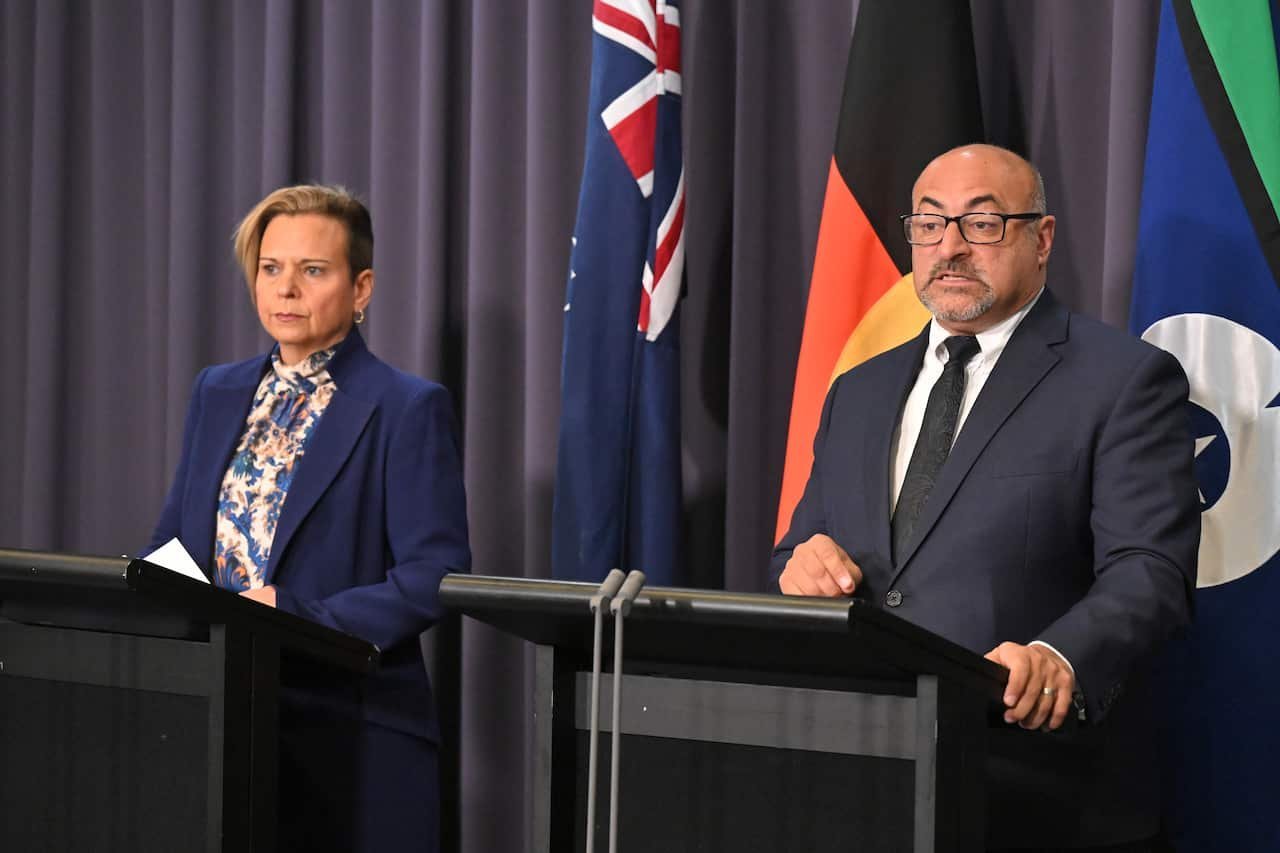
According to Attorney-General Michelle Rowland, the government is seeking to recover the “significant costs” of investigating, managing, and remediating the contamination from legacy use at Defence sites.
“This misconduct has contributed to substantial costs for Defence and the Australian taxpayer, including over $1 billion to date to investigate, remediate and mitigate PFAS contamination at Defence estate sites,” Ms Rowland said.
The government’s decision to take on 3M in court is a bold move, and it reflects the growing concern about the environmental and health impacts of PFAS chemicals.
PFAS, or per- and polyfluoroalkyl substances, are a group of laboratory-made chemicals that persist in the environment, bioaccumulate, and are potentially toxic. 3M is one of the world’s largest manufacturers of PFAS, which are used in products such as firefighting foam, cosmetics, and non-stick cookware.
The chemicals have been linked to diseases such as high cholesterol, lower birth weight in babies, and an increased risk of testicular and kidney cancer. Hotspots in Australia tend to be near Royal Australian Air Force bases, where firefighting foam was widely used.
The use of PFAS-containing firefighting foam has been phased out in Australia since 2003, but the chemicals continue to leach into water systems and contaminate the environment.
In 2023, the federal government settled a class action over PFAS contamination from firefighting foam at seven Defence sites across the country, paying out $132 million to about 30,000 claimants.
The government has also provided a $212 million payout for property value loss and distress in the communities of Katherine in the Northern Territory, Oakey in Queensland, and Williamtown in New South Wales.
3M has faced a growing number of lawsuits globally over PFAS contamination, including a $US10.3 billion settlement in the US in 2023. The company has maintained that it will defend itself against the Australian government’s claims through the legal process.
However, the government’s decision to pursue legal action against 3M reflects the growing concern about the environmental and health impacts of PFAS chemicals.
Analysis: What This Means for Australia
The Australian government’s lawsuit against 3M is a significant development in the ongoing saga of PFAS contamination in Australia. The lawsuit highlights the need for greater accountability from manufacturers of PFAS-containing products and the importance of protecting the environment and public health.
The government’s decision to pursue legal action against 3M also reflects the growing concern about the national security implications of PFAS contamination, particularly in relation to the Defence Force bases.
Law enforcement insiders warn that the PFAS contamination crisis has significant implications for national security, particularly in relation to the Defence Force bases. “The contamination of Defence Force bases with PFAS chemicals is a serious concern for national security,” said one insider.
“The government needs to take decisive action to address this issue and ensure that our Defence personnel and the broader community are protected from the risks associated with PFAS.”
Security analysts say that the PFAS contamination crisis highlights the need for greater investment in environmental remediation and public health measures. “The PFAS contamination crisis is a wake-up call for the government to invest in environmental remediation and public health measures,” said one analyst.
“The government needs to take a proactive approach to addressing this issue and ensuring that our environment and public health are protected.”
As the lawsuit against 3M proceeds, the Australian government will be closely watched to see how it handles the PFAS contamination crisis.
The government’s decision to pursue legal action against 3M is a significant step forward, but it is only the beginning of a long and complex process.
The government will need to work closely with the community, Defence personnel, and other stakeholders to ensure that the PFAS contamination crisis is addressed in a comprehensive and effective manner.