
Trump Unleashes Fresh Strikes on Iran as Tensions Escalate: What This Means for Australia’s National Security
- The US has launched a new round of strikes on Iran, targeting a military site and shooting down multiple Iranian drones, as tensions between the two nations reach a boiling point.
- President Donald Trump has dismissed reports of a potential peace plan, instead threatening Iran and Oman with further bombing if they fail to “behave” in the Strait of Hormuz.
- The strikes come as Australia’s own national security is under scrutiny, with experts warning of the potential consequences of a prolonged conflict in the region.
- As the situation continues to escalate, Australia’s allies in the region are on high alert, with Saudi Arabia, Qatar, Pakistan, Turkey, Egypt, and Jordan all declining to join the Abraham Accords normalising relations with Israel.
The latest strikes by the US on Iran have sent shockwaves around the world, with many experts warning of the potential consequences of a prolonged conflict in the region.
At the heart of the dispute is the strategic Strait of Hormuz, a vital waterway through which a fifth of the world’s oil and liquefied natural gas travels.
President Trump has made it clear that the US will not allow any single country to control the strait, instead insisting that it will be managed jointly by multiple nations.
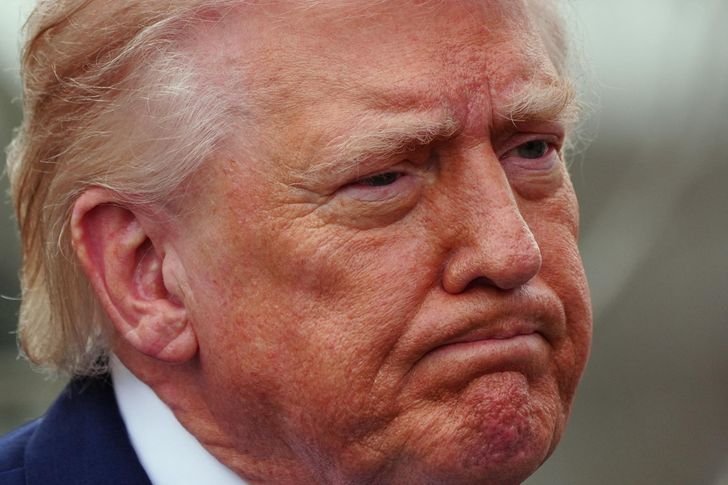
The US official who spoke to Reuters on condition of anonymity said that the military site targeted by the US was believed to pose a threat to US forces and commercial maritime traffic in the Strait of Hormuz.
The official also confirmed that multiple Iranian drones had been intercepted and shot down, posing a similar threat.
The US last carried out what it called defensive strikes against Iran on Monday, targeting boats that officials said were attempting to lay mines, and missile launch sites.
The conflict between the US and Iran has been ongoing since February 28, when US and Israeli strikes killed thousands and sent global energy prices sharply higher.
Despite a ceasefire taking effect in early April, talks between the two nations have stalled, with sticking points including the reopening of the Strait of Hormuz and the issue of Iran’s nuclear capacity.
President Trump has repeatedly said that a deal is close at hand, but his latest comments suggest that the two countries remain far apart.
Analysis: What This Means for Australia
The ongoing conflict between the US and Iran has significant implications for Australia’s national security. As a key ally of the US in the region, Australia is likely to be drawn into any future conflict, either directly or indirectly.
The closure of the Strait of Hormuz would also have a devastating impact on Australia’s economy, with oil prices likely to skyrocket and trade routes severely disrupted.
Security analysts say that the situation is a wake-up call for Australia, highlighting the need for greater investment in the country’s military and intelligence capabilities.
“The conflict between the US and Iran is a reminder that the Asia-Pacific region is becoming increasingly unstable,” said one analyst. “Australia needs to be prepared to respond to a range of potential threats, from cyber attacks to conventional military strikes.”
Law enforcement insiders warn that the conflict also has implications for Australia’s domestic security, with the potential for Iranian-backed terrorist groups to launch attacks on Australian soil.
“We need to be vigilant and proactive in our efforts to prevent terrorism,” said one official.
“The conflict between the US and Iran is a reminder that the threat of terrorism is always present, and we must be prepared to respond quickly and effectively.”
Industry observers believe that the conflict will also have significant economic implications for Australia, particularly in the energy sector. “The closure of the Strait of Hormuz would be a disaster for Australia’s energy industry,” said one expert.
“We rely heavily on imports of oil and gas, and any disruption to these supplies would have a devastating impact on our economy.”
As the situation continues to escalate, Australia’s leaders must be prepared to respond quickly and effectively to any potential threats. The country’s national security is at stake, and the consequences of inaction could be severe.