Breaking Down Barriers: How Period Swimwear is Revolutionizing Sport for Disabled Women in Australia
- 68% of disabled girls and women are skipping sport due to period anxiety and lack of access to suitable products
- New research reveals the devastating impact of menstruation on disabled women’s participation in sport, with many feeling excluded and uncomfortable
- Period swimwear is providing a game-changing solution, giving women like Vanessa Ozols the freedom to compete and train without fear of leakage or discomfort
- Experts are calling for national sporting organisations to adapt to the needs of the disability community, with better communication, education, and funding for period products
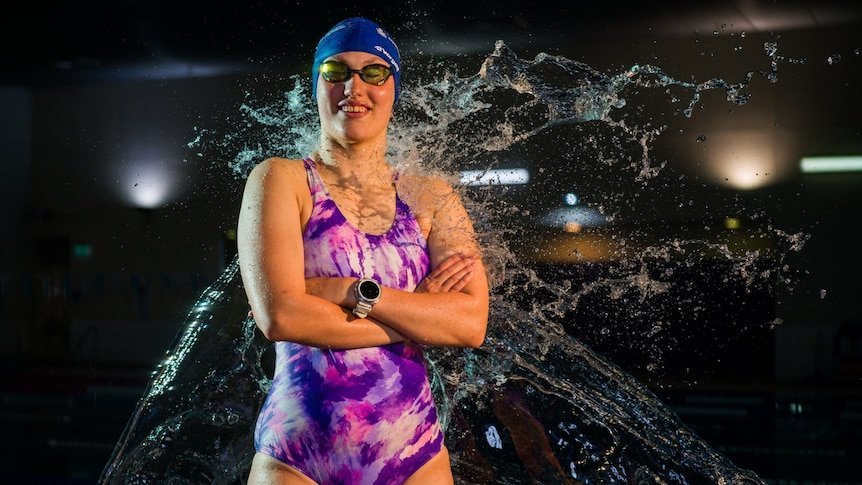
For Vanessa Ozols, the feeling of being in the pool is one of safety and acceptance. As a national-level swimmer with a disability, she’s found a sense of belonging among her Para swimming squad.
But it wasn’t always this way. When Ozols first started menstruating, managing her period was a challenge that led to skipped training sessions and feelings of frustration.
Ozols lives with autism, an intellectual impairment, and a rare genetic disorder called hereditary angioedema, which causes swelling all over her body. Using traditional period products like tampons was uncomfortable and painful, leaving her feeling unmotivated to swim on days she had her period.
She’s not alone.
New research from Victoria University and national period charity Share the Dignity shows that 68% of disabled girls and women are regularly skipping sport because of their period.




The study, which surveyed 273 people, found that the vast majority of respondents engaged in sport at all levels, with swimming being the most popular activity.
However, over a third of respondents avoided sport because they didn’t have access to the period products they needed.
Many didn’t feel comfortable using pads, tampons, and menstrual cups due to sensory issues, while others with physical disabilities didn’t have the dexterity to use some products.
Worries about leakage were a concern, affecting confidence, and inaccessible and dirty toilets and change rooms contributed to period anxiety.
Clare Hanlon, lead researcher at Victoria University, says sport should be accessible to everyone, and it’s time to address the impact menstruation is having. “We wanted to identify how and what needs to occur to change this,” Professor Hanlon said.
The research presents opportunities for national sporting organisations, local clubs, and period product suppliers to adapt to the needs of the disability community. “Our findings showed the importance of asking individuals about what their needs are and that not one solution fits all,” she said.
Better communication between athletes and coaches is a good place to start, as well as increasing funding for period underwear, heat pads, and wipes. “All of this needs to be considered in order to create an environment where participants feel welcome and included,” Professor Hanlon said.
For Ozols, discovering period swimwear has been a game-changer. “They have given me the power to be able to swim and not miss a single session,” she said.
Swimming Australia is one sporting organisation that has made changes to accommodate the menstrual needs of girls and women. It developed inclusive swimwear guidelines in 2021 to cover considerations around gender, disability, and religion, including period swimwear.
The guidelines state that anyone can use hygiene swimwear, and it doesn’t need to be approved by officials. This change has given Ozols the confidence to compete and train without fear of leakage or discomfort.
Sarah Greenaway, founder of Eltee Sydney, which makes period underwear for swimming, is passionate about keeping girls in sport.
Her version of the swimwear, which fits under normal swimming costumes, contains a waterproof layer with a seal to prevent water from getting to the gusset.
“The mission is being able to give girls the ability to stay in the pool and to be able to enjoy the things they enjoy and keep them healthy and active,” Ms Greenaway said.
Experts believe that with more awareness and education, other sporting organisations will follow Swimming Australia’s lead to keep disabled girls and women in sport. “One of the key benefits of sport is the mental, physical, and social health it provides for individuals,” Professor Hanlon said.
“If we know that support is out there, more people with disability will be encouraged to play sport more often.”
Analysis: What This Means for Australia
The lack of accessibility and inclusivity in sport for disabled women is a national issue that requires attention and action. The research highlights the need for better communication, education, and funding for period products.
By adapting to the needs of the disability community, national sporting organisations can create a more inclusive environment that encourages participation and promotes physical, mental, and social health.
As Ozols’s story shows, period swimwear is just the beginning. With more awareness and education, we can break down barriers and create a more inclusive sporting culture for all.