Yuin People Celebrate 20-Year Milestone in Land Handback: A New Era of Indigenous Self-Determination
- Hundreds gather in Tilba to mark two decades since the handback of Biamanga and Gulaga National Parks to traditional owners
- The sacred land, including two mountains, is a symbol of Indigenous resilience and survival
- Younger generation urged to take on management of the parks, ensuring the legacy lives on
- The handback is one of seven in NSW, with more expected in the future
It’s been 20 years since the Yuin people had their sacred land returned to them, and the community is celebrating this milestone with a cultural festival in Tilba.
The handback of Biamanga and Gulaga National Parks in 2006 marked a significant moment in Indigenous self-determination, and the anniversary event was a chance for the community to come together and reflect on their journey.
The Biamanga and Gulaga National Parks, located between Bega and Narooma, are considered sacred to the Yuin people.
The parks were proclaimed in 1994 and 2001, respectively, but it was the tireless efforts of elders like Guboo Ted Thomas and Percy Mumbulla that led to the land being handed back to traditional owners.
The handback was a result of a major land rights campaign, with the NSW government finally recognising the Yuin people’s connection to the land.



For Aunty Ros Field, chair of the Gulaga Board of Management, the handback was a moment of truth, recognition, and justice for Aboriginal people.
“This is not just an anniversary; it’s a living reminder of who we are, where we come from, and the strength of our ancestors,” she said.
The festival was an opportunity for the community to pay respect to the elders who fought for the land to be returned and to pass on their legacy to the younger generation.
The Biamanga and Gulaga National Parks are not just any land; they hold significant cultural and spiritual importance for the Yuin people. Gulaga, known as Mother Mountain, is the spirit of creation and a place where Aboriginal women would retreat for storytelling, ceremony, and childbirth.
Biamanga, on the other hand, is a traditional men’s place, containing initiation sites where boys would become men. The parks are a symbol of Indigenous resilience and survival, and their management is a testament to the community’s ability to care for their land.
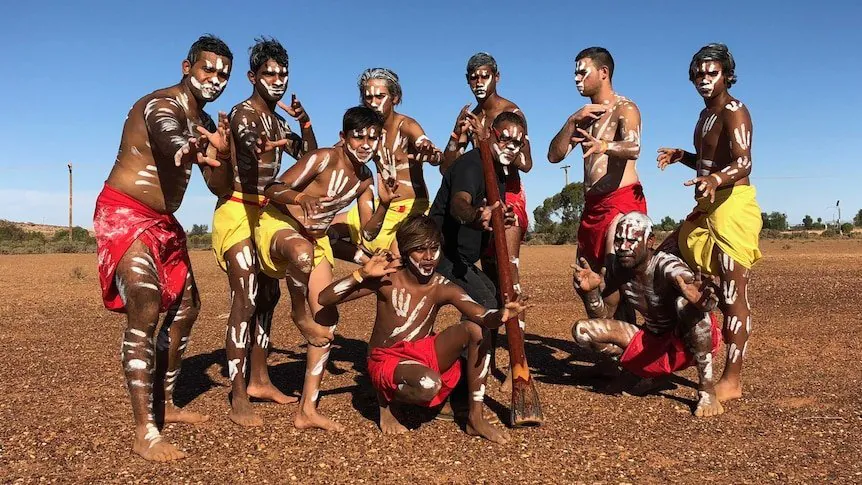
The festival, which began with a smoking ceremony, featured traditional music and dance performances, including the Djinama Yilaga Choir. It was a celebration of the past, but also a look to the future.
Uncle Bunja Smith, chair of the Biamanga Board of Management, wants to ensure that the next generation will celebrate the handback in 20 years’ time. “I was their age, watching those fellas fight for the mountains,” he said.
“Now it’s my turn to pass that on, to make sure that in another 20 years, they’re having another celebration, much like this one.”
The handback of Biamanga and Gulaga National Parks is one of seven that have occurred in NSW, with more expected in the future.
Bob Debus, who was the NSW environment minister at the time of the handback, remembered the moment and was pleased to see the arrangement was still going strong.
“There was a feeling of elation that we had managed to bring this concept to reality,” he said.
Analysis: What This Means for Australia
The handback of Biamanga and Gulaga National Parks is a significant milestone in Indigenous self-determination, but it also highlights the ongoing struggle for Indigenous recognition and reconciliation.
The event coincides with National Reconciliation Week, which concludes on June 3, and serves as a reminder of the progress that still needs to be made.
Security analysts say that the handback is a step in the right direction, but more needs to be done to address the historical injustices faced by Indigenous Australians.
Law enforcement insiders warn that the legacy of colonialism continues to impact Indigenous communities, and that reconciliation requires more than just symbolic gestures.
Industry observers believe that the handback is a model for future land rights campaigns, but that it requires a commitment to Indigenous self-determination and a willingness to listen to and learn from Indigenous voices.
As Australia continues on its path towards reconciliation, events like the handback of Biamanga and Gulaga National Parks serve as a reminder of the importance of Indigenous self-determination and the need for ongoing recognition and respect.
The Yuin people’s struggle for their land is a testament to the strength and resilience of Indigenous Australians, and their story serves as a powerful reminder of the importance of preserving and celebrating Indigenous culture.