Australia’s Ebola Scare: A Wake-Up Call for National Preparedness as Melbourne Hospital Tests Patient with Deadly Symptoms
- Australian authorities spring into action as a Melbourne hospital isolates a patient with suspected Ebola symptoms, sparking a nationwide response to the deadly virus
- The patient, who recently travelled to Africa, has since tested negative, but experts warn that the incident highlights the importance of Australia’s preparedness for serious disease threats
- As the World Health Organisation reports a surge in Ebola cases in the Democratic Republic of Congo and Uganda, Australia’s health services are on high alert, with experts urging the public to remain vigilant
- The incident has raised questions about Australia’s border security and whether the country should follow the US in restricting entry from impacted African nations
Australia’s first Ebola scare in decades has sent shockwaves throughout the nation, as a Melbourne hospital isolated a patient with suspected symptoms of the deadly virus.
The patient, who had recently travelled to Africa, was quickly tested and has since been cleared of the disease. However, the incident has highlighted the importance of Australia’s preparedness for serious disease threats and sparked a nationwide response to the outbreak.
According to infectious diseases expert Professor Paul Griffin, the rapid isolation and testing of the patient demonstrated Australia’s existing protocols were functioning as intended. “This person had been to the area where we’re seeing a large number of cases, had potentially compatible symptoms,” Griffin said.
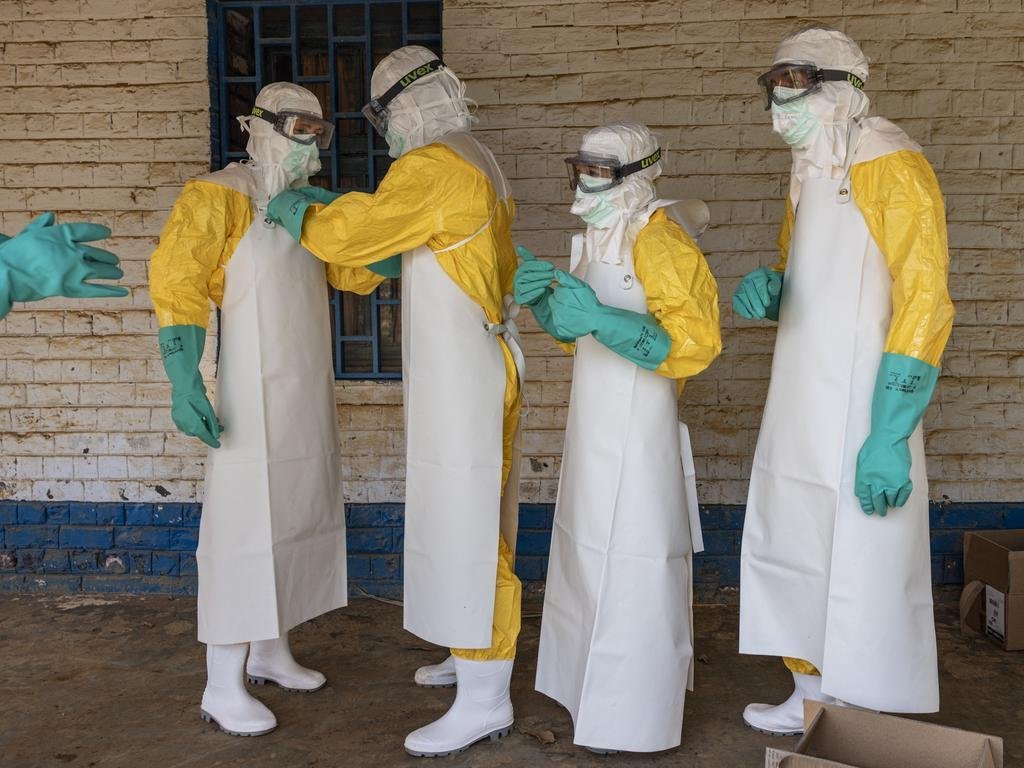
“But fortunately, this was considered as a diagnosis, and the plan was enacted, and this person isolated whilst awaiting test results that happened quickly.”
The suspected case came as authorities continue to monitor an ongoing Ebola outbreak in Africa, with the World Health Organisation reporting a surge in cases in the Democratic Republic of Congo and Uganda.


The outbreak has already claimed 18 lives, with 134 confirmed cases reported as of May 29. The WHO has warned that the outbreak is still not under control, with many cases still unreported.
Griffin described the Melbourne scare as “a good example of how it’s managed well” and said it was essential for health services across the country to remain prepared to identify and isolate potential cases quickly.
“It’s probably something much more common that accounted for that person’s symptoms, but we certainly don’t want to be surprised and not consider it at the outset,” he said.
Despite the Melbourne scare, Griffin said the risk to Australia remains low, but the incident highlights the need for continued vigilance. “We do have border security processes that are very good at if people do come to our country unwell,” he said.
However, some experts have raised concerns about the effectiveness of Australia’s border security measures, with some calling for the country to follow the US in restricting entry from impacted African nations.
Analysis: What This Means for Australia
The Ebola scare in Melbourne has significant implications for Australia’s national security and public health. The incident highlights the need for continued investment in Australia’s health services and border security measures to prevent the spread of infectious diseases.
It also underscores the importance of international cooperation in responding to global health crises.
Security analysts say that the incident demonstrates the importance of having robust protocols in place to respond to infectious disease outbreaks.
“Australia’s response to the Ebola scare was swift and effective, but it highlights the need for continued vigilance and investment in our health services,” said one analyst.
Law enforcement insiders warn that the incident also raises concerns about the potential for bioterrorism and the need for increased security measures at airports and other ports of entry.
“The Ebola scare highlights the need for increased security measures to prevent the spread of infectious diseases, including bioterrorism threats,” said one insider.
Industry observers believe that the incident will have significant economic implications for Australia, particularly in the tourism and travel sectors.
“The Ebola scare will likely have a significant impact on Australia’s tourism industry, particularly if the outbreak spreads to other parts of the world,” said one observer.
However, experts also note that the incident highlights the importance of community involvement in responding to health crises. “The key is to come forward as early as possible and to get the necessary support,” said WHO chief Tedros Adhanom Ghebreyesus.
“We can stop this Ebola and anyone who has it can also recover. But the rule…
is this thing is everybody’s business and every citizen should be involved.”
As the World Health Organisation continues to monitor the outbreak in Africa, Australia’s health services remain on high alert, with experts urging the public to remain vigilant and seek medical attention immediately if they experience any symptoms of the disease.