AUKUS Submarine Deal: What’s Behind the US Offer of Five Virginia-Class Subs to Australia?
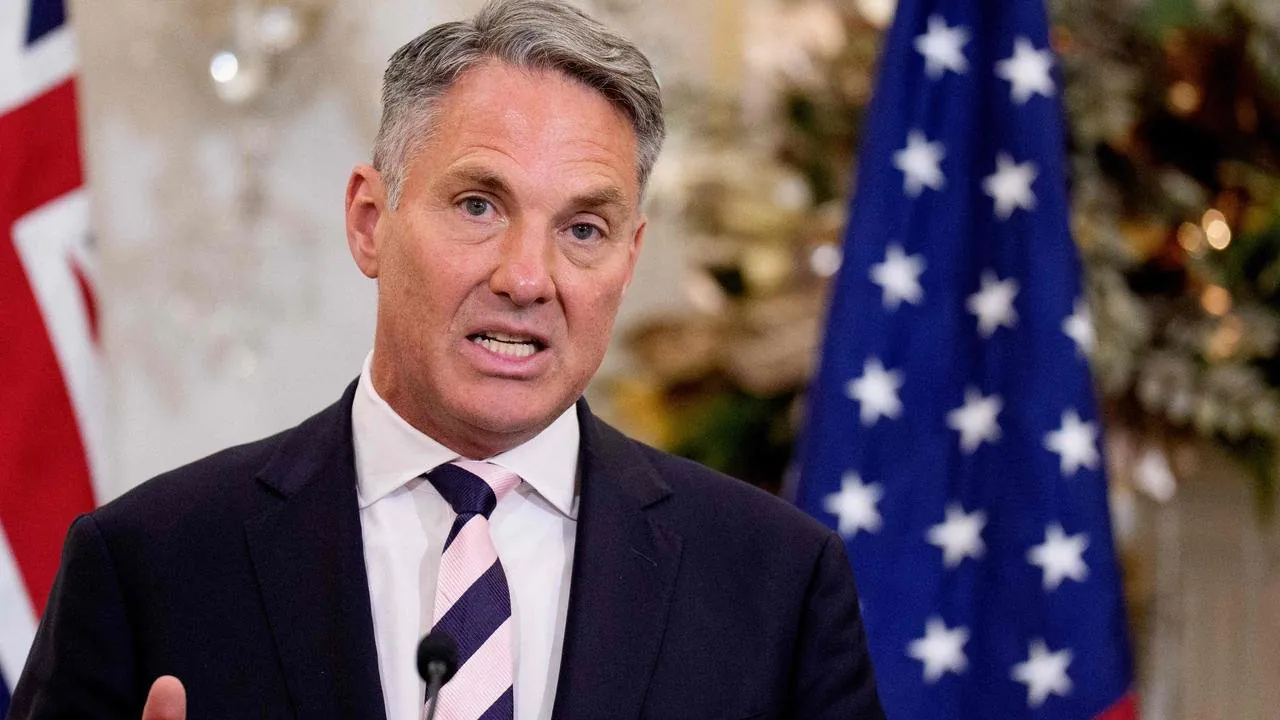
- Australia’s Defence Minister Richard Marles reveals the US is still open to providing up to five Virginia-class submarines under AUKUS.
- The government’s sudden shift to buying three second-hand subs instead of one new and two second-hand ones has raised eyebrows among critics.
- Analysts question whether the move will reduce Australia’s submarine capability and expose deep flaws in the AUKUS push.
- The deal’s future hangs in the balance as the White House must sign off on the sale, and US submarine production rates remain a concern.
The AUKUS submarine deal has taken a dramatic turn, with Defence Minister Richard Marles announcing that the US is still willing to provide up to five Virginia-class submarines to Australia.
However, the government’s decision to opt for three second-hand subs instead of one new and two second-hand ones has sparked criticism and raised questions about the deal’s future.
At the centre of the controversy is the government’s sudden change of heart. Initially, Australia was set to acquire one new Virginia-class submarine and two second-hand ones from the US.
However, in a surprise move, Mr Marles revealed that the government would instead purchase three second-hand subs. The shift has led some analysts to question whether the move will reduce Australia’s submarine capability and expose deep flaws in the AUKUS push.
Mr Marles has downplayed the criticism, insisting that the deal remains unchanged and that the US is still open to providing up to five Virginia-class submarines.


However, the defence minister’s comments have done little to alleviate concerns about the deal’s future. The White House must still sign off on the sale, and US submarine production rates remain a concern.
With the US struggling to lift its stubbornly low submarine production rates, there is no guarantee that the deal will go ahead as planned.
The AUKUS submarine deal has been touted as a key component of Australia’s defence strategy, aimed at countering China’s growing military presence in the region. However, the deal’s latest twist has raised questions about its viability.
Security analysts warn that the move could undermine Australia’s national security and expose the country to increased risk.
Analysis: What This Means for Australia
The AUKUS submarine deal’s latest development has significant implications for Australia’s national security.
The government’s decision to opt for three second-hand subs instead of one new and two second-hand ones has raised concerns about the country’s submarine capability.
With China’s military presence in the region growing, Australia’s defence strategy is under scrutiny. Security analysts warn that the move could undermine Australia’s national security and expose the country to increased risk.
Law enforcement insiders also warn that the deal’s future is uncertain, with the White House yet to sign off on the sale. The US’s struggles to lift its submarine production rates only add to the uncertainty.
As Australia’s defence minister, Mr Marles must navigate the complex web of international diplomacy and defence strategy to ensure the country’s national security is not compromised.
Expert commentary suggests that the AUKUS submarine deal is just one part of a broader strategy to counter China’s growing military presence in the region. However, the deal’s latest twist has raised questions about its viability.
Industry observers believe that the government must re-evaluate its defence strategy and consider alternative options to ensure the country’s national security is not compromised.
As the situation continues to unfold, one thing is clear: the AUKUS submarine deal’s future hangs in the balance.
With the White House yet to sign off on the sale and US submarine production rates a concern, the government must navigate the complex web of international diplomacy and defence strategy to ensure the country’s national security is not compromised.