Terror in the Classroom: 13-Year-Old Boy Charged Over Alleged Plot to Unleash Carnage on Queensland School
- A 13-year-old boy has been charged with planning a violent attack on a Queensland school, leaving a community in shock
- Police allege the boy was radicalised online and had become “well advanced” in his plans to cause death or grievous bodily harm
- The teenager was arrested at a business in Maryborough, north of Brisbane, after allegedly threatening people with a large knife
- Experts warn of the growing threat of online radicalisation among young Australians, with fears of a “ticking time bomb” in the country’s schools
The quiet town of Maryborough, Queensland, was left reeling last week after a 13-year-old boy was arrested and charged with planning a violent attack on a local school.
The shocking allegations have sparked widespread concern about the growing threat of online radicalisation among young Australians.
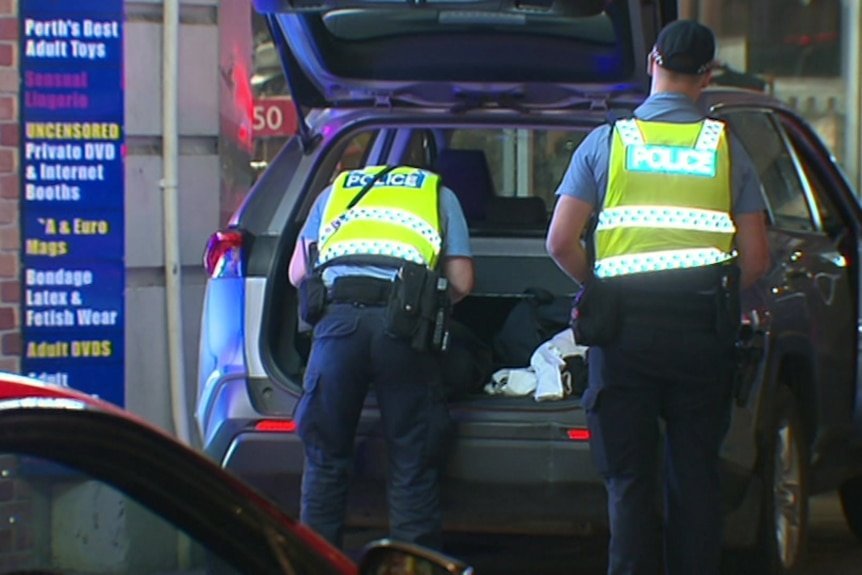
According to police, the boy was arrested at a business on Saltwater Creek Road in Maryborough, about three hours north of Brisbane, after allegedly threatening people with a large knife.
Authorities claim the teenager was wearing certain items of clothing to disguise his appearance, and had planned to target “young people at that school”.
Acting Detective Superintendent Jason Hindmarsh revealed that the alleged threats were imminent and that police had gathered evidence to suggest the boy had planned to undertake acts of violence at the school.

“We’ve got evidence to satisfy our evidentiary standards that he had planned to undertake acts of violence at a school,” Hindmarsh said.
The boy, who was not previously known to police, was initially charged with attempting to enter premises with intent, going armed so as to cause fear, making threats and possessing a thing intended for use in connection with an offence, under the Youth Justice Act.
However, following further investigations, police executed a search warrant at a Maryborough home on Saturday and seized an electronic device, which allegedly revealed the boy’s plans to cause death or grievous bodily harm.
Hindmarsh alleged that the boy had become radicalised online, highlighting the growing concern about the impact of social media and online platforms on young Australians. “The threat of online radicalisation is real, and it’s a ticking time bomb in our schools,” said one security analyst.
Analysis: What This Means for AustraliaThe alleged plot to attack a Queensland school has raised serious concerns about the national security implications of online radicalisation among young Australians.
Experts warn that the ease of access to extremist material online has created a “perfect storm” of radicalisation, with many young people vulnerable to manipulation. “This is a wake-up call for parents, educators, and policymakers,” said one expert.
“We need to take urgent action to address the root causes of radicalisation and ensure that our schools are safe and secure.”
Law enforcement agencies are also under pressure to do more to prevent such plots, with some critics arguing that more needs to be done to monitor online activity and identify potential threats.
“The police did a great job in this case, but we need to ask ourselves how this boy was able to become radicalised in the first place,” said one commentator.
“We need to take a more proactive approach to preventing radicalisation and addressing the underlying causes of extremism.”
As the investigation continues, the community remains on high alert, with many parents and students left shaken by the allegations.
The case has sparked a wider debate about the need for increased security measures in schools and the importance of addressing the root causes of radicalisation among young Australians.
The quiet town of Maryborough, Queensland, was left reeling last week after a 13-year-old boy was arrested and charged with planning a violent attack on a local school. The shocking allegations have sparked widespread concern about the growing threat of online radicalisation among young Australians.
According to police, the boy was arrested at a business on Saltwater Creek Road in Maryborough, about three hours north of Brisbane, after allegedly threatening people with a large knife. Authorities claim the teenager was wearing certain items of clothing to disguise his appearance, and had planned to target “young people at that school”.
Acting Detective Superintendent Jason Hindmarsh revealed that the alleged threats were imminent and that police had gathered evidence to suggest the boy had planned to undertake acts of violence at the school. “We’ve got evidence to satisfy our evidentiary standards that he had planned to undertake acts of violence at a school,” Hindmarsh said.
The boy, who was not previously known to police, was initially charged with attempting to enter premises with intent, going armed so as to cause fear, making threats and possessing a thing intended for use in connection with an offence, under the Youth Justice Act. However, following further investigations, police executed a search warrant at a Maryborough home on Saturday and seized an electronic device, which allegedly revealed the boy’s plans to cause death or grievous bodily harm.
Hindmarsh alleged that the boy had become radicalised online, highlighting the growing concern about the impact of social media and online platforms on young Australians. “The threat of online radicalisation is real, and it’s a ticking time bomb in our schools,” said one security analyst.
The alleged plot to attack a Queensland school has raised serious concerns about the national security implications of online radicalisation among young Australians. Experts warn that the ease of access to extremist material online has created a “perfect storm” of radicalisation, with many young people vulnerable to manipulation.
“This is a wake-up call for parents, educators, and policymakers,” said one expert. “We need to take urgent action to address the root causes of radicalisation and ensure that our schools are safe and secure.”
Law enforcement agencies are also under pressure to do more to prevent such plots, with some critics arguing that more needs to be done to monitor online activity and identify potential threats.
“The police did a great job in this case, but we need to ask ourselves how this boy was able to become radicalised in the first place,” said one commentator. “We need to take a more proactive approach to preventing radicalisation and addressing the underlying causes of extremism.”
As the investigation continues, the community remains on high alert, with many parents and students left shaken by the allegations. The case has sparked a wider debate about the need for increased security measures in schools and the importance of addressing the root causes of radicalisation among young Australians.