Australia’s Toxic Shame: The Deadly Herbicide Banned Overseas but Still Used in Our Own Backyard
- Australia’s agricultural watchdog is under fire for its stance on paraquat, a herbicide linked to Parkinson’s disease, after it was banned in a US state.
- Paraquat is widely used in Australia despite being banned in 70 countries, including the UK and Europe, due to its high toxicity and alleged health risks.
- The National Farmers Federation has pushed back against proposals to change paraquat use, claiming it would have a significant impact on the agricultural sector.
- But farmers and Parkinson’s Australia are speaking out, sharing stories of devastating health consequences and calling for the herbicide to be banned.
Australia’s agricultural sector is facing a crisis of confidence as the country’s watchdog, the Australian Pesticides and Veterinary Medicine (APVMA), comes under renewed criticism for its handling of the controversial herbicide paraquat.
Despite being banned in 70 countries, including the UK and Europe, paraquat remains widely used in Australia, sparking concerns over its links to Parkinson’s disease and other serious health risks.
Last week, the Governor of Vermont in the US signed a bill banning the weedkiller, citing evidence that exposure substantially increases the risk of Parkinson’s disease, non-Hodgkin lymphoma, and childhood leukemia.
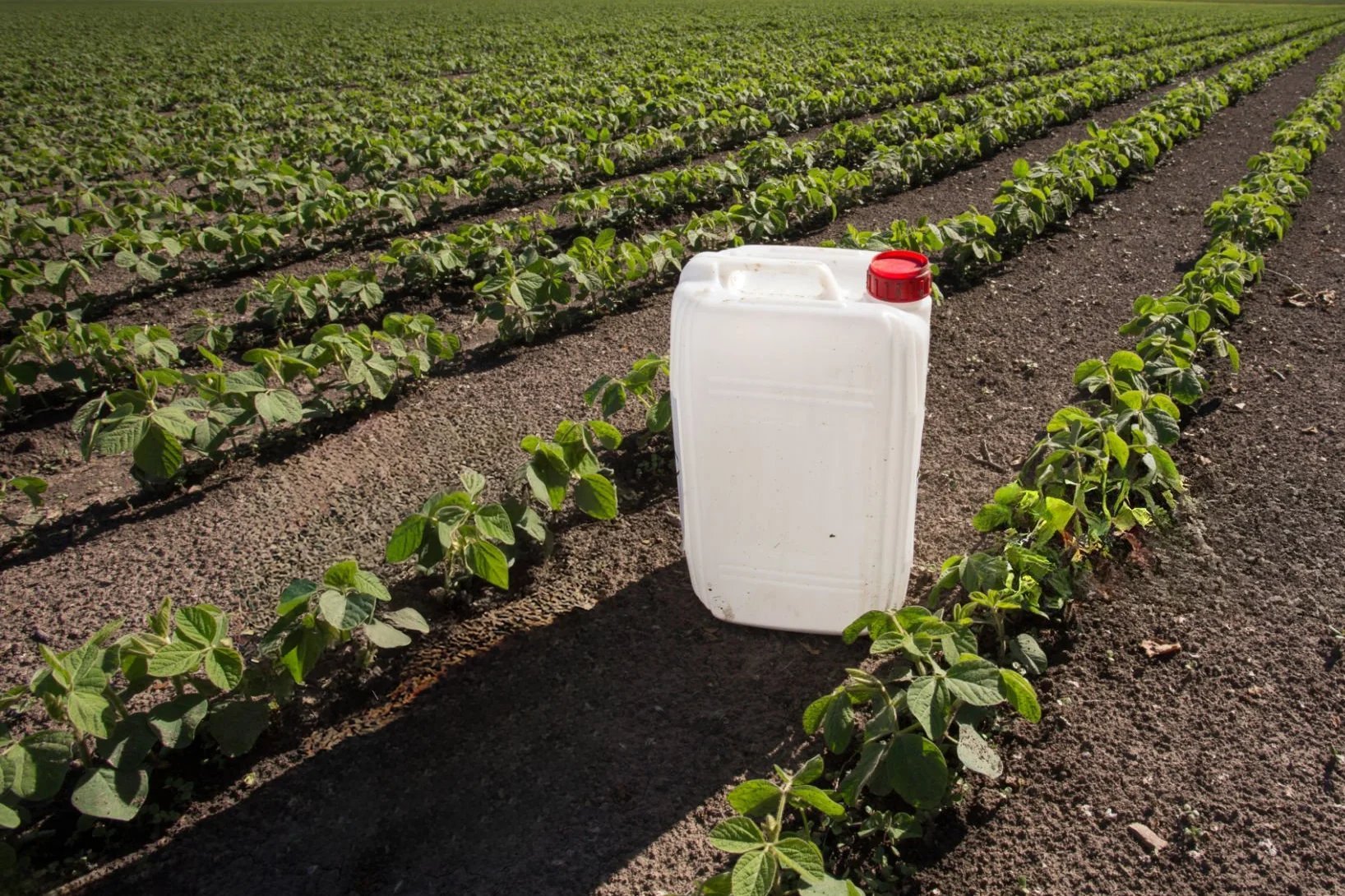
The move has sparked fresh calls for Australia to follow suit, with Independent Senator David Pocock grilling APVMA chief Peter Hansen over the regulator’s stance on paraquat during an estimates hearing.
Mr Hansen defended the APVMA’s decision to continue assessing paraquat, citing new findings from the US Environmental Protection Agency regarding the chemical’s volatility in the field.



However, Senator Pocock questioned whether the regulator was confident that paraquat was safe for humans, given its alleged links to serious health risks. Mr Hansen replied that if the APVMA didn’t think paraquat was safe, it would have taken action to ban it by now.
But critics argue that the APVMA’s 30-year review of paraquat is too little, too late.
Agricultural giant Syngenta has already announced it will end its global production of paraquat by the end of June, citing thousands of lawsuits over the herbicide.
Meanwhile, farmers and Parkinson’s Australia are speaking out about the devastating health consequences of paraquat use, sharing stories of lives ruined by the herbicide.
Frank Geers, a West Australian farmer diagnosed with Parkinson’s after exposure to chemicals including paraquat, told The Australian that he knew at least a dozen retired farmers who now had the debilitating disease.
“The vast majority believe their Parkinson’s was caused by the herbicides,” he said. “And some of them are very angry that paraquat is still available for use.”
Parkinson’s Australia has long campaigned for paraquat to be banned, citing its serious health risks to farmers, agricultural workers, and the general public. The organization has seen what it describes as “anecdotal clusters” of Parkinson’s cases in agricultural communities, which it believes are linked to paraquat use.
Analysis: What This Means for Australia
The ongoing use of paraquat in Australia raises serious questions about the country’s approach to agricultural safety and public health. As other countries ban the herbicide due to its alleged health risks, Australia’s continued use of paraquat appears increasingly isolated.
The APVMA’s 30-year review of the herbicide has been criticized as slow and inadequate, with many calling for more urgent action to protect farmers and the public.
Security analysts say that the continued use of paraquat in Australia poses a significant risk to national security, particularly in the context of food production and public health.
“The use of a herbicide linked to Parkinson’s disease and other serious health risks undermines trust in the agricultural sector and raises concerns about the safety of our food supply,” one analyst said.
Law enforcement insiders warn that the APVMA’s failure to act on paraquat is a classic example of regulatory capture, where the interests of big business are prioritized over public safety.
“The APVMA’s decision to continue assessing paraquat despite overwhelming evidence of its health risks is a clear example of regulatory failure,” one insider said.
Industry observers believe that the paraquat scandal will have significant economic and social consequences for Australia’s agricultural sector.
“The loss of public trust in the safety of our food supply will have far-reaching consequences for Australian farmers and the broader economy,” one observer said.
As the APVMA prepares to release its findings on paraquat in coming weeks, one thing is clear: the fate of Australia’s agricultural sector hangs in the balance.
Will the regulator finally take action to ban paraquat, or will it continue to prioritize the interests of big business over public safety? Only time will tell.