Farmers on Brink of Disaster as Drought and Soaring Costs Wipe Out $7 BILLION in Agricultural Exports and Slash Profits by 70%
- Australia’s winter crop production is forecast to plummet by 21 per cent, with wheat crop expected to drop by 12 per cent to its lowest level since 2019-20.
- Farmers are facing a perfect storm of high input costs, drought, and poor seasonal conditions, with profits expected to fall by 70 per cent to just $65,000 per farm.
- The value of agricultural exports is set to shrink by $7 billion, with the wheat crop, Australia’s biggest grain export, expected to be the hardest hit.
- Despite some welcome rain in recent days, the outlook for the nation’s farmers remains bleak, with experts warning of tough times ahead.
The Australian farming industry is facing a devastating blow, with the latest report from the Australian Bureau of Agricultural and Resource Economics and Sciences (ABARES) revealing a 21 per cent drop in winter crop production across the nation.
The value of agricultural exports is expected to shrink by a staggering $7 billion, with the wheat crop, Australia’s biggest grain export, forecast to fall by 12 per cent to its lowest level since 2019-20.
The report paints a dire picture for farmers, who are struggling to cope with high input costs, drought, and poor seasonal conditions.
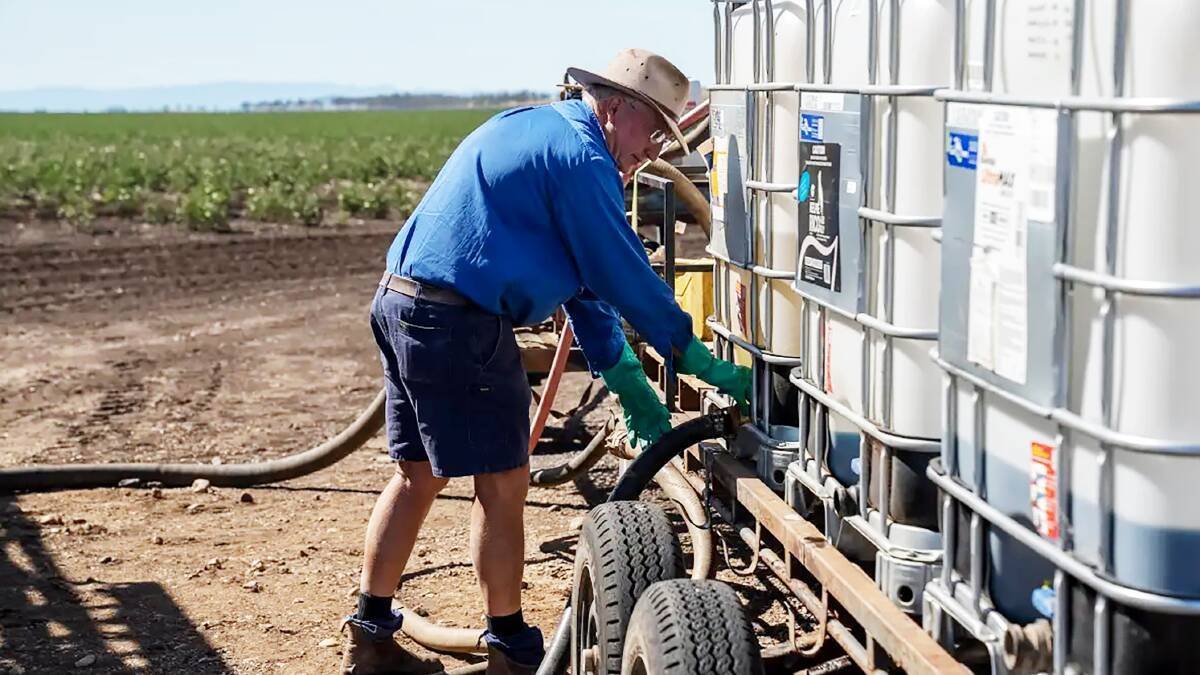
ABARES executive director David Galeano warned that farm profits would be significantly lower due to the cost pressures, with broadacre farm-business profits expected to fall by 70 per cent to just $65,000 per farm.
“Due to cost pressures, [broadacre] farm-business profits will be down 70 per cent on last year to about $65,000 per farm, and in parts of NSW those falls in profit will be even larger,” Mr Galeano said.




“That area of farms sown to crop in NSW looks like being down by a third.”
The report highlights the impact of drought and high input costs on farmers, particularly in Queensland and NSW, where the area sown to crop has been significantly lower due to dry conditions.
However, some farmers in Western Australia and South Australia have been more fortunate, with rainfall late in the summer and early autumn resulting in better-than-expected crops.
Analysis: What This Means for Australia
The forecast drop in agricultural production has significant implications for Australia’s economy and food security. The country’s agricultural industry is a major contributor to the national economy, and a decline in production could have far-reaching consequences.
Security analysts warn that the decline in agricultural production could lead to increased reliance on imports, potentially compromising the nation’s food security.
Law enforcement insiders also warn that the economic pressures on farmers could lead to increased rural crime, including theft and vandalism. “When farmers are struggling to make ends meet, they become more vulnerable to crime,” said one law enforcement source.
“We’re seeing an increase in rural crime, and it’s only going to get worse if the economic situation doesn’t improve.”
Despite the challenges facing the industry, some experts believe that there are opportunities for growth.
Brendan Taylor, president of farm lobby Agforce Queensland’s grains board, said that some farmers in central Queensland were still planting fast-growing wheat varieties or chickpeas, despite the poor seasonal conditions.
“I know some guys up there that are planting more in the next week,” he said.
However, the outlook for the industry remains bleak, with experts warning that the combination of high input costs, drought, and poor seasonal conditions could have long-term consequences for the nation’s farmers.
As one industry observer noted, “The current situation is a perfect storm for farmers, and it’s only going to get worse if something doesn’t change.”