Second Beachgoer Trapped in Quicksand Along Adelaide Coast: ‘Complete Fear’ as Woman and Dog Sink into Sinking Sand
- Days after a young Adelaide beachgoer was rescued from quicksand, a second person has spoken out about their terrifying experience along the same stretch of coast.
- Sarah Darbyshire was walking at Glenelg North when her dog began to sink into the sand, and she started to do the same, sparking a desperate fight for survival.
- The incident has raised concerns about the safety of the beach, with locals warning of the dangers of quicksand and the need for better signage.
- The Department for Environment and Water says sand carting, which involves collecting natural beach sand from one area and placing it in another, is a regular practice at the beach to protect local infrastructure.
Sarah Darbyshire’s walk along the Glenelg North beach on Saturday afternoon turned into a nightmare when her dog, Mr Bean, began to sink into the sand.
As she rushed to his aid, she felt the ground beneath her give way, and she started to sink too. “It was soon up to my waist, and I just really pushed myself out,” she said, recalling the moment she realized she was trapped.
“I remember thinking, ‘No, this is not how it’s going to end’.”
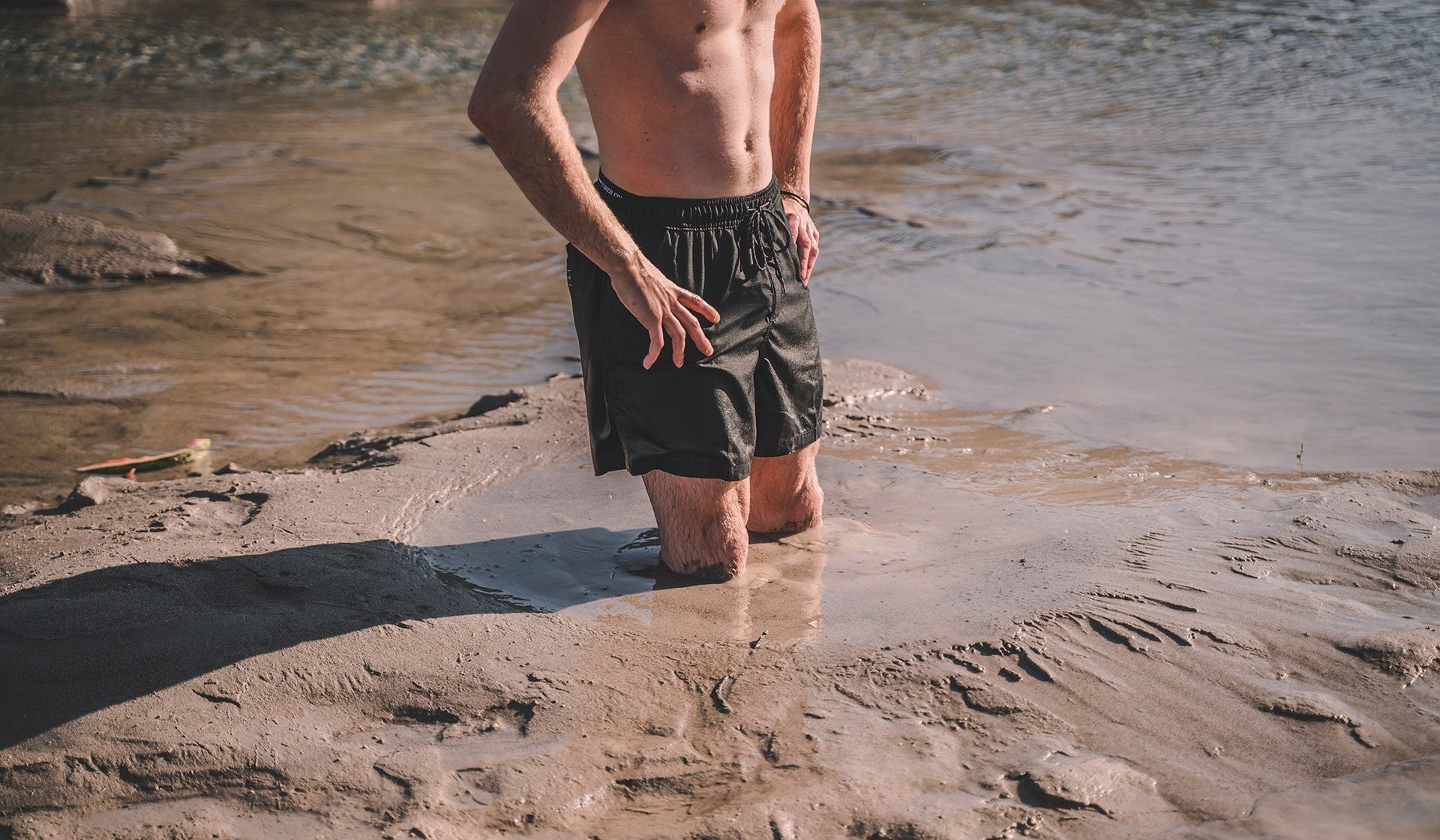
The incident occurred just days after 20-year-old Madz June became stuck in quicksand along the same stretch of coast. Ms June had been walking near the same spot when her leg “fell straight through” the sand, prompting her to call emergency services for help.
Both incidents have raised concerns about the safety of the beach, with locals warning of the dangers of quicksand and the need for better signage.


The Department for Environment and Water confirmed that sand carting had recently been conducted at the beach, which involves collecting natural beach sand from one area and placing it in another to raise beach levels.
The practice is designed to protect important coastal infrastructure, including the rock wall, roads, and footpaths, from winter storms. However, some have questioned whether the practice is safe, and whether adequate warnings are in place to alert beachgoers to the dangers of quicksand.
Analysis: What This Means for Australia
The recent incidents at Glenelg North beach have highlighted the need for improved safety measures and better signage to alert beachgoers to the dangers of quicksand.
As Australia’s coastline is prone to erosion and storm damage, the need for regular sand carting and coastal maintenance is clear. However, this must be balanced against the need to protect the public from the risks associated with these practices.
Security analysts say that the incidents at Glenelg North beach serve as a reminder of the importance of adequate signage and safety measures at Australia’s beaches.
“The safety of beachgoers is paramount, and it’s essential that we take steps to mitigate the risks associated with quicksand and other coastal hazards,” said one expert.
Law enforcement insiders warn that the incidents also highlight the need for greater awareness and education about the dangers of quicksand. “Beachgoers need to be aware of the risks and take steps to protect themselves,” said another expert.
As the weather forecast predicts more storms for the coming week, the Department for Environment and Water has urged the public to take care when visiting the beach.
With the summer months approaching, it’s essential that beachgoers are aware of the potential dangers and take necessary precautions to stay safe.