Australia’s Housing Market Hostage Situation: Will the Albanese Government’s Tax Changes Spark a Property Price Collapse?
- Australia’s housing market has been on a “super cycle upswing” for 30 years, with prices rising by over 500% and leaving many Australians unable to afford a home.
- The Albanese government’s proposed tax changes aim to take the heat out of the market, but experts warn of a potential 5% drop in property prices and a 34% fall in new property investor activity.
- The losers from the changes will be banks, real estate agents, and state governments, while prospective owner-occupiers are set to benefit from reduced competition and lower prices.
- Experts say the changes will likely lead to a shift towards longer-term rental agreements and fewer property transactions, but warn of potential short-term pain for recent homebuyers and renters.
Australia’s housing market has been on a wild ride for the past three decades, with prices skyrocketing to unprecedented levels and leaving many Australians struggling to afford a home.
The Albanese government’s proposed tax changes aim to take the heat out of the market, but experts warn of a potential 5% drop in property prices and a 34% fall in new property investor activity.
So, who will be the winners and losers in this high-stakes game, and what does it mean for the future of Australia’s housing market?
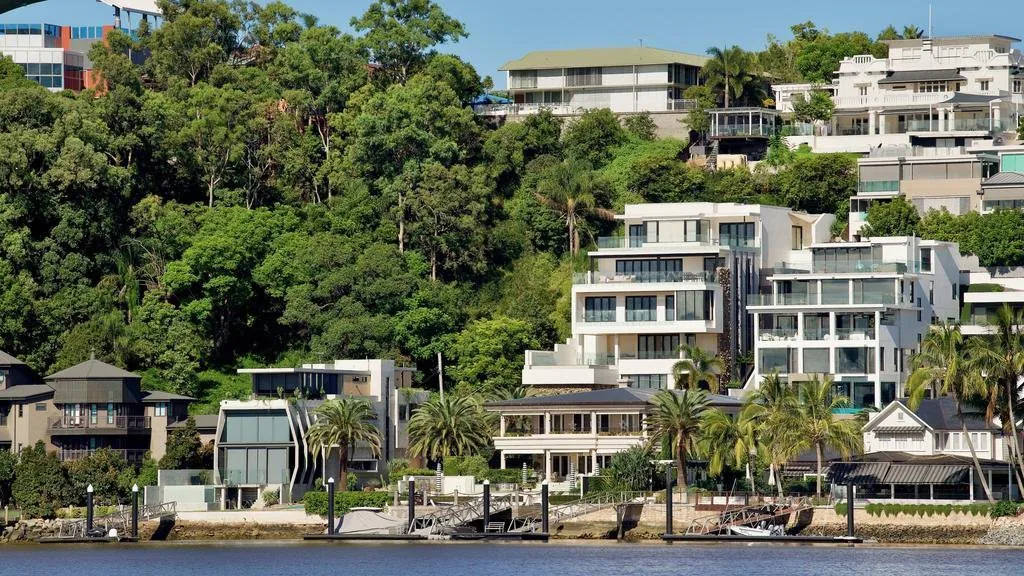
The construction and real estate sectors are a significant contributor to Australia’s economic output, accounting for over 10% of GDP and around 1.5 million jobs.
However, the market has become increasingly unaffordable, with the cost of buying a typical home now around eight times the average annual income. In Sydney, the situation is even more dire, with prices reaching a staggering 10 times the average income.


The federal government’s expanded 5% deposit scheme has helped some, but many prospective buyers are still struggling to save for a deposit and afford repayments on a 95% loan.
The proposed tax changes aim to even the playing field between owner-occupiers and investors, but experts warn of a potential backlash.
Macquarie economists Ric Deverell, Anita Chao, and Dan Fabbro believe that the changes will add to the downward pressure on the market, with the risk of another significant fall.
They argue that the introduction of the 50% capital gains tax discount in 2000 was a key factor in the multi-decade boom, and its reversal will have a significant impact on the market.
Analysis: What This Means for Australia
The proposed tax changes will have significant implications for Australia’s housing market and the broader economy.
The big losers will be banks, which have around two-thirds of their assets tied up in residential property, and real estate agents, whose income is determined by transaction volumes.
State governments will also be affected, as stamp duty revenues rely heavily on property transactions. On the other hand, prospective owner-occupiers are set to benefit from reduced competition and lower prices.
Security analysts say that the changes will likely lead to a shift towards longer-term rental agreements and fewer property transactions. This could have a positive impact on financial stability, as investors tend to drive housing booms and busts more than owner-occupiers.
However, there are also warnings of potential short-term pain for recent homebuyers and renters, with the risk of negative equity and higher rents.
Expert commentary suggests that the changes will largely do what they are meant to – take some heat and froth out of the housing market.
However, there are concerns about the potential impact on the residential construction sector, with Treasury forecasting 35,000 fewer homes being built over the next decade.
Westpac, on the other hand, believes that the proportion of investor borrowing going to new builds will more than double.
In the end, the verdict is that the proposed tax changes will likely have a significant impact on Australia’s housing market, but the full extent of the consequences remains to be seen.
One thing is certain, however – for housing to become more affordable, it has to become cheaper, at least relative to incomes. Otherwise, who would be left able to buy a place to live in?
The Albanese government’s tax changes may be a step in the right direction, but it remains to be seen whether they will be enough to break Australia’s housing market hostage situation.