Australia’s Population Explodes to 28 Million: What This Means for Our Nation’s Future
- Australia’s population has reached a record 28 million, driven largely by net overseas migration, with a new person added every 75 seconds.
- The nation’s demographic profile is changing, with the average age increasing to 39 and total fertility rates declining.
- Experts warn that Australia’s ageing population and declining fertility rates will have significant implications for the nation’s future.
- As the population continues to grow, Australia is on track to reach 30 million within five years, with significant consequences for infrastructure, housing, and social services.
As Australia’s population clock ticked over to 28 million, a new family welcomed their baby girl, Sophie, into the world. For new parents Lucy and Christian, their little bundle of joy is a symbol of hope and excitement for the nation’s future.
But behind the celebrations lies a complex web of demographic changes that will shape the country’s destiny.
Australia’s population growth has been driven largely by net overseas migration, with around 1400 people arriving in the country every day. This influx of new residents has contributed to a population increase of 1150 people per day, with the nation’s population growing faster than ever before.
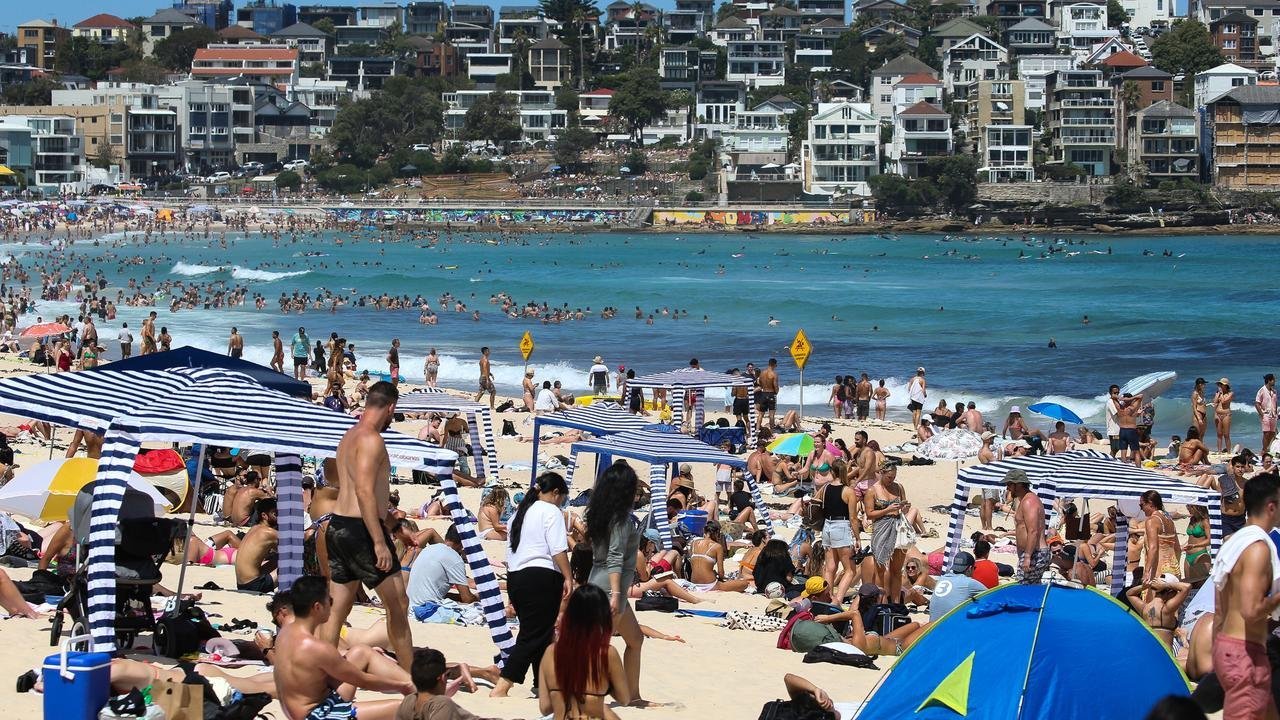
In fact, the latest million has been the quickest yet, with the population increasing by 50 per cent since the 2000 Sydney Olympics.
But what’s driving this growth, and what does it mean for Australia’s future? According to Dr Liza Allen, a demographer at the Australian National University, the answer lies in the nation’s changing demographic profile.



“Australia’s growth is being largely driven by net overseas migration,” she said. “The nation’s population is ageing, and total fertility rates are declining.” This shift has significant implications for the country’s social services, infrastructure, and economy.
Analysis: What This Means for Australia
The ageing population and declining fertility rates will have far-reaching consequences for Australia’s future. As the population continues to grow, the nation will face significant challenges in providing adequate infrastructure, housing, and social services.
With the average age increasing to 39, the nation will need to adapt to an older workforce and a changing workforce dynamic. This will require innovative solutions to support older workers, as well as strategies to attract and retain top talent from around the world.
Security analysts say that the growing population will also have significant implications for national security. As the nation becomes more diverse, the risk of social unrest and cultural tensions increases.
This will require a more nuanced approach to social cohesion and community engagement, as well as a robust counter-terrorism strategy.
Industry observers believe that the growing population will also drive economic growth, with increased demand for housing, healthcare, and education. However, this growth will need to be managed carefully to avoid putting pressure on already-strained infrastructure and services.
As Australia looks to the future, it’s clear that the nation’s population growth will bring both opportunities and challenges.
With careful planning, strategic investment, and a commitment to social cohesion, Australia can harness the energy of its growing population to build a brighter future for all.