Chilling Internet Searches of Mother Who Stabbed Her Two Young Children to Death Raise Questions Over Mental Impairment Defence
- A mother’s disturbing internet searches in the days leading up to the brutal murder of her two young children have been revealed in court documents, casting doubt on her mental impairment defence.
- The woman, who cannot be named for legal reasons, searched for “how do mums kill their children” and “what’s it like to stab someone” before stabbing her kids to death in their bedrooms.
- Justice Richard Cavanagh has questioned the strength of the evidence supporting the mother’s mental health impairment, highlighting the seemingly contradictory psychological reports and her ability to plan the killings.
- The case has raised concerns over the threshold for mental impairment and the complexities of the justice system in dealing with extreme crimes.
The discovery of a mother’s internet search history has sent shockwaves through the community, as the details of her brutal crime come to light.
The woman, who appeared in NSW Supreme Court on Tuesday, is accused of stabbing her two young children to death in their bedrooms before attempting to take her own life.
But as the court grapples with the question of her mental impairment, the disturbing online searches she made in the days leading up to the tragedy have raised more questions than answers.
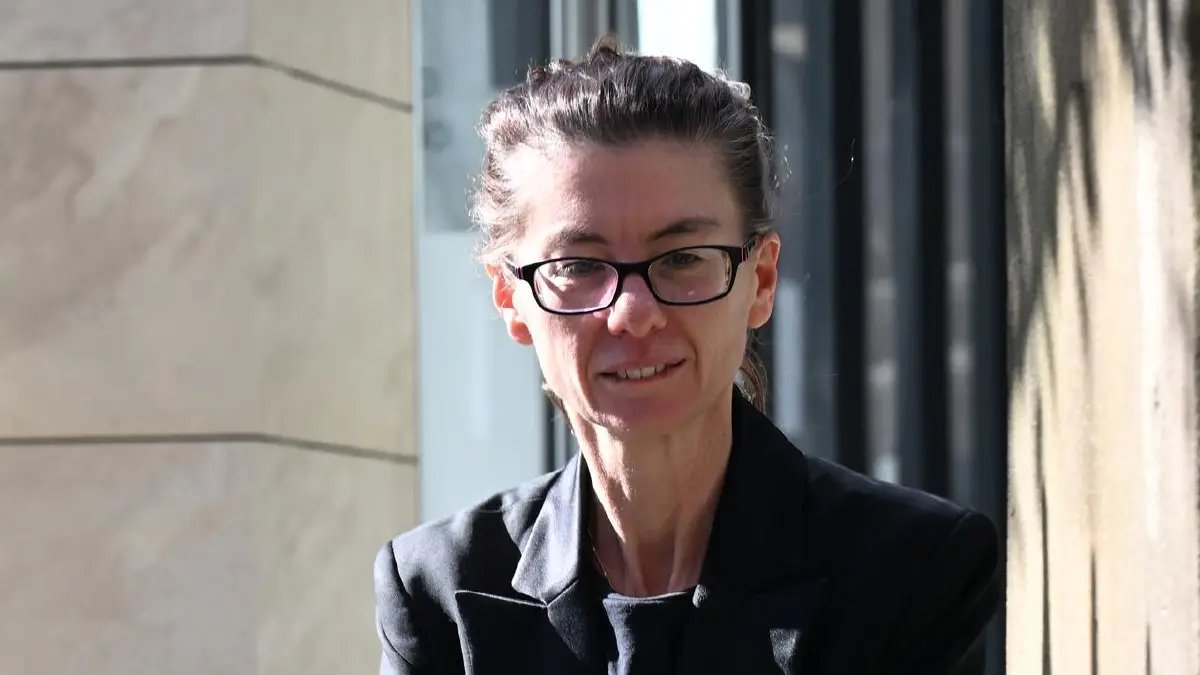
According to court documents, the woman’s internet searches began a month before the killings, with queries including “bodies main arteries”, “suicide parents and kids”, and “murder suicide mother kids”.
She also read forum posts about what stabbing someone is like, investigated lethal doses of medication, and researched the locations of vital blood vessels, including how long it takes them to bleed out.


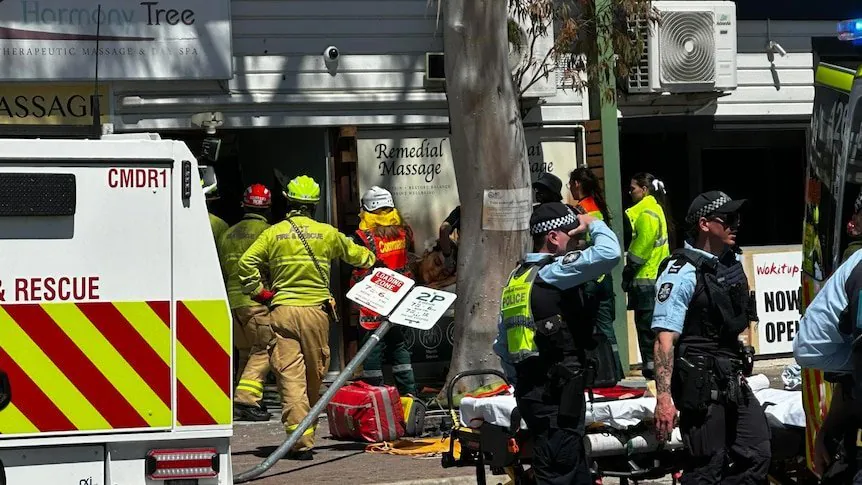

The searches were interspersed with mundane tasks, such as dropping her kids off at school and taking them to McDonald’s for dinner.
The mother’s lawyer, Madeleine Avenell SC, argued that her client’s actions might not have reflected an understanding that killing her children was wrong.
“She knows that the action is wrong in the sense that she can say ‘yes it’s wrong to kill my child’, but she didn’t have the ability to exercise …
that wrongness,” she said.
However, Justice Cavanagh questioned the strength of the evidence supporting the mother’s mental health impairment, highlighting the seemingly contradictory psychological reports and her ability to plan the killings.
Analysis: What This Means for Australia
The case raises serious concerns about the complexities of the justice system in dealing with extreme crimes and the threshold for mental impairment.
As security analysts point out, the mother’s ability to plan and execute the killings, despite her alleged mental health issues, raises questions about the effectiveness of the mental health system in identifying and supporting individuals who may be at risk of harming themselves or others.
Law enforcement insiders warn that the case highlights the need for a more nuanced approach to dealing with crimes involving mental health, one that takes into account the complexities of the human mind and the need for early intervention and support.
“This is a very sensitive matter and it has to be done properly, particularly when you’re dealing with extreme charges,” said defence solicitor Paul McGirr.
Industry observers believe that the case also raises questions about the role of technology in facilitating crimes, particularly those involving mental health. “The internet can be a double-edged sword,” said one expert.
“On the one hand, it provides a wealth of information and resources for people struggling with mental health issues. On the other hand, it can also provide a platform for individuals to access disturbing and violent content that can exacerbate their condition.”
As the case continues, it is clear that the community will be watching closely, eager to understand the complexities of the justice system and the factors that contributed to this tragic event.
If you or someone you know is struggling with mental health issues, please contact Lifeline on 131114 or Beyond Blue on 1300224636 for support.