Sickening Delay: Teen Left to Languish in Hospital Emergency Department for 116 Hours Waiting for Mental Health Bed
- A 17-year-old girl was forced to wait almost five days in a hospital emergency department for a mental health bed, sparking outrage and apologies from WA’s health minister and country health service director.
- The teenager, who had attempted to take her own life twice, was eventually transferred to a hospital 300km away, highlighting the dire shortage of mental health services in regional WA.
- The incident has exposed the devastating consequences of the state’s mental health crisis, with the opposition slamming the government for failing to address the issue despite repeated warnings.
- The girl’s mother has spoken out about the traumatic experience, saying her daughter felt like giving up hope as she waited for help that never came.
A harrowing tale of neglect and desperation has emerged from Western Australia’s South West, where a 17-year-old girl was left to languish in a hospital emergency department for 116 hours waiting for a mental health bed.
The teenager, who had attempted to take her own life twice, was finally transferred to a hospital 300km away, but not before her family was forced to endure a nightmare of bureaucratic delays and broken promises.
In March, the teenager was rushed to Busselton Health Campus after two failed attempts to end her life.
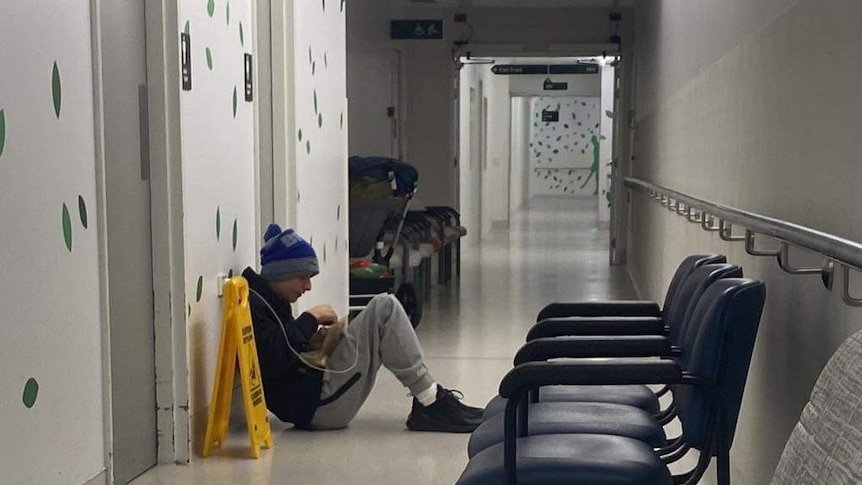
Despite being identified as high-risk by psychiatric nurses, she was left in limbo for almost five days, waiting for a place in a specialised mental health unit.
The Busselton family’s experience is not an isolated incident, with WA Country Health Service director of medical services, Mark Holloway, admitting that the prolonged boarding of patients in emergency departments while awaiting mental health beds has become increasingly common.


The shortage of mental health services in regional WA has been a long-standing issue, with the opposition raising concerns about the government’s handling of the crisis in parliament for months.
The Bunbury Regional Hospital redevelopment, which has reduced acute inpatient mental health beds from 23 to 11, has exacerbated the situation.
The hospital’s Mental Health Hospital in the Home program has been expanded, but opposition health spokesperson Libby Mettam says it’s not enough to offset the loss of dedicated adolescent mental health beds.
Analysis: What This Means for Australia
The incident highlights the devastating consequences of Australia’s mental health crisis, particularly in regional areas where services are scarce.
The lack of access to timely and specialised care can have catastrophic consequences, including increased risk of suicide and long-term psychological trauma. As the population continues to grow and the demand for mental health services increases, it’s clear that the current system is struggling to cope.
Security analysts say that the shortage of mental health services in regional areas can have a ripple effect on the entire community, with flow-on consequences for law enforcement, education, and social services.
The government’s failure to address the issue despite repeated warnings raises concerns about its ability to provide adequate support for vulnerable Australians.
Law enforcement insiders warn that the lack of mental health services can lead to increased pressure on police and emergency services, who are often forced to respond to mental health crises that could have been prevented with proper care.
Industry observers believe that the government’s response to the crisis has been inadequate, with too much focus on short-term fixes rather than long-term solutions.
“The government needs to take a more comprehensive approach to addressing the mental health crisis, including increasing funding for regional services and providing more support for families and carers,” said one expert.
The government’s apology to the Busselton family is a step in the right direction, but it’s clear that more needs to be done to address the systemic issues that led to this tragedy.
As Tara, the teenager’s mother, so poignantly put it, “There aren’t enough services, and it’s scary to think that we’re only one family, and how many other families are out there, and it just doesn’t seem like there are beds, and where do these people all go?”