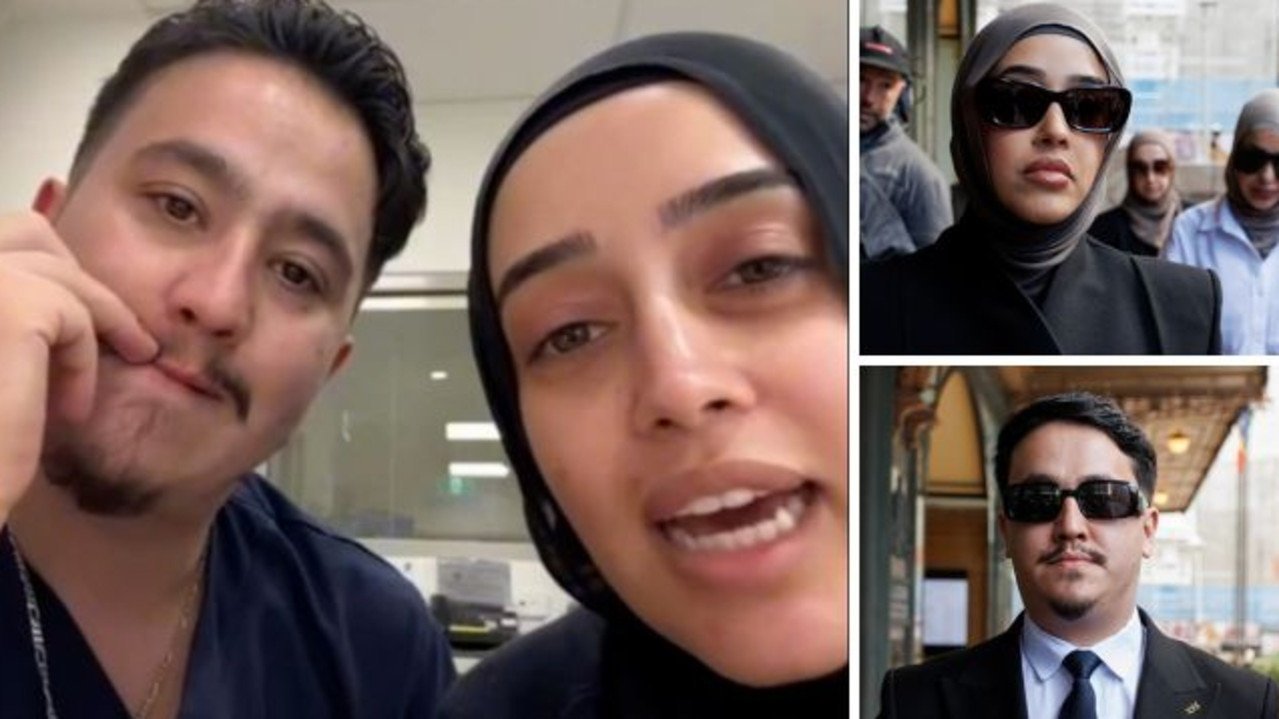
‘Terrorist Bride’ Accused of Slavery: Zeinab Ahmad’s Shocking Alleged Crimes Exposed as She Fights for Bail in Aussie Court
- Zeinab Ahmad, 31, is accused of enslaving a teenage girl who was repeatedly raped and assaulted by her father in Syria.
- The alleged victim lived with Ahmad and her family for 16 months before being sold into slavery again, eventually being freed after being sold seven times.
- Ahmad, who has been linked to Islamic State, is fighting for bail in a Melbourne court, with police arguing she poses an unacceptable risk to the community.
- The case has raised questions about the treatment of women and children who return to Australia after being involved with terrorist groups overseas.
As Zeinab Ahmad sat in a Melbourne courtroom, her alleged crimes were laid bare in shocking detail.
The 31-year-old, accused of enslaving a teenage girl in Syria, is fighting for bail, but police argue she poses a significant threat to the community.
Ahmad’s case has sparked a heated debate about the treatment of women and children who return to Australia after being involved with terrorist groups overseas.

Ahmad’s alleged crimes date back to 2017, when she was living in Syria with her family.
It is alleged that her father, Mohammad, bought a teenage girl as a slave for $US10,000, and that the girl was repeatedly raped and beaten by him.


The girl, who was just a teenager at the time, claims she was treated “very badly” by Ahmad, who allegedly knew about the abuse but did nothing to stop it.
The girl’s ordeal lasted for 16 months, during which time she was forced to live with the Ahmad family. She was eventually sold again, and was passed from owner to owner a total of seven times before she was finally freed from slavery.
Ahmad’s alleged role in the girl’s enslavement has sparked outrage, with many calling for her to be held accountable for her actions.
But Ahmad’s case is complex, and raises questions about the treatment of women and children who return to Australia after being involved with terrorist groups overseas.
Ahmad, who has been linked to Islamic State, married her first husband, Dawod, in 2014, and the couple traveled to Turkey before moving to Syria. Dawod became an IS member, but was killed in a drone strike in 2016.
Ahmad has since married two other IS members, and is still married to an Egyptian-born fighter whose location is unknown.
Analysis: What This Means for Australia
Ahmad’s case has significant implications for Australia’s national security and law enforcement. Her alleged crimes highlight the need for increased vigilance in monitoring the activities of individuals who have been involved with terrorist groups overseas.
The case also raises questions about the treatment of women and children who return to Australia after being involved with terrorist groups, and whether they should be allowed to reintegrate into Australian society.
Security analysts say that Ahmad’s case is a prime example of the risks posed by individuals who have been involved with terrorist groups. “Ahmad’s alleged crimes are a stark reminder of the dangers posed by individuals who have been involved with terrorist groups,” said one analyst.
“Her case highlights the need for increased vigilance in monitoring the activities of these individuals, and ensuring that they do not pose a threat to the Australian community.”
Law enforcement insiders warn that Ahmad’s case is not an isolated incident, and that there are likely many more individuals in Australia who have been involved with terrorist groups overseas.
“Ahmad’s case is just the tip of the iceberg,” said one insider. “There are likely many more individuals in Australia who have been involved with terrorist groups, and it is our job to identify and monitor them.”
As Ahmad’s bail application continues, the Australian community will be watching with bated breath. Will she be granted bail, or will she be kept behind bars?
One thing is certain: her case has sparked a heated debate about the treatment of women and children who return to Australia after being involved with terrorist groups overseas.