Tasmania’s Ambulance Crisis: ‘Psychologically Injured’ Paramedics, Soaring Wait Times, and a Culture of Fear
- Average ambulance wait times in Tasmania have blown out to 15 minutes and 30 seconds, exceeding worst-case scenario projections by 42 seconds.
- A damning survey reveals 89 paramedics have been bullied by colleagues, 82 targeted by managers, and 69% are seeking alternative employment.
- Health groups warn of a ‘potentially disastrous’ situation as hundreds of millions of dollars in cuts loom, threatening to worsen staff shortages and wait times.
- A new wage agreement has been reached, but union officials say it’s undermined by budget cuts and will do little to address the underlying issues plaguing the service.
The alarming state of Tasmania’s ambulance service has been laid bare in a shocking survey that reveals a culture of fear, bullying, and burnout among paramedics.
The average wait time for an ambulance to arrive has blown out to 15 minutes and 30 seconds, exceeding worst-case scenario projections by 42 seconds.
The situation is so dire that health groups are warning of a ‘potentially disastrous’ outcome, with hundreds of millions of dollars in cuts expected to worsen staff shortages and wait times.
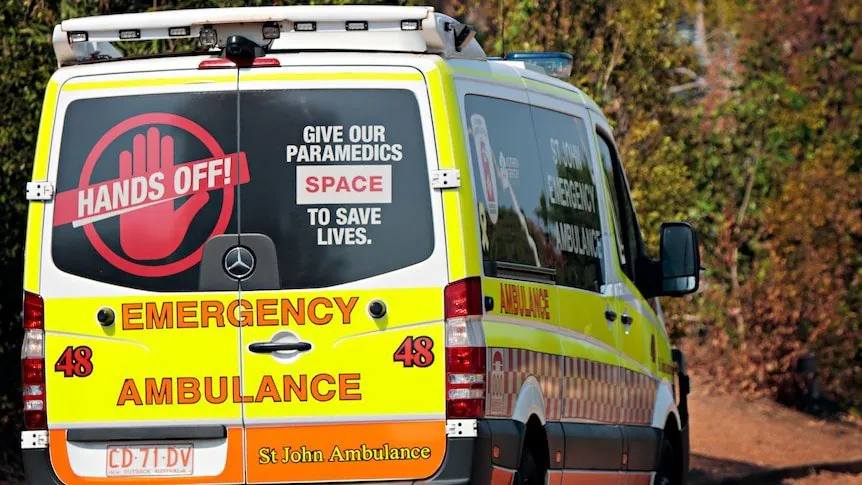
Jan Pur, a 16-year veteran paramedic, says staff shortages are at the heart of the problem.
‘We’re going from job to job and we know there is a job waiting for us while we’re looking after the patient on the ramp,’ he said.

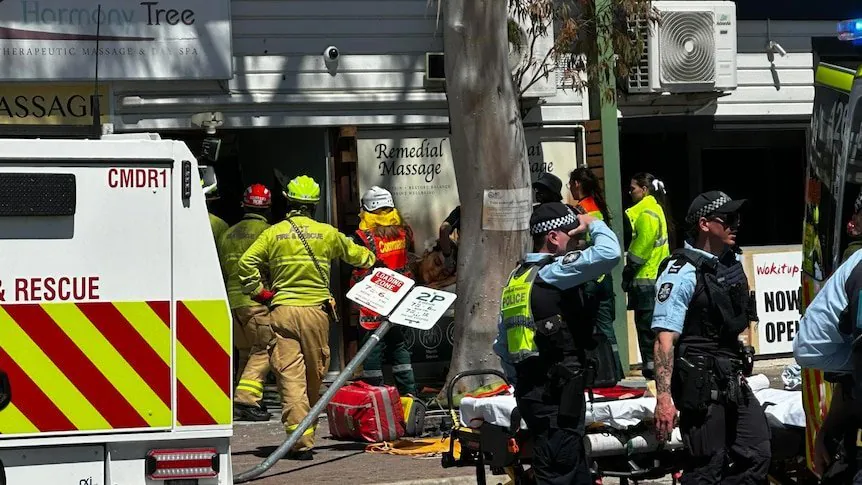

‘It increases our stress, our pressure.’ Ramping, where patients are forced to wait in ambulances because hospitals are at capacity, is a major contributor to the problem.
Mr Pur says people are waiting hours for an ambulance, and ‘that then reflects on us’.
The survey, which canvassed the views of Ambulance Tasmania staff, paints a damning picture of a service in crisis. 89 paramedics reported being bullied by colleagues, while 82 said they’d been targeted by managers or supervisors.
A staggering 69% of staff are seeking alternative employment, and 17% have a strong desire to leave.
The report also reveals a 20% drop in employee confidence in the Ambulance Tasmania executive, and a 19% decrease in feeling motivated by the organisation’s vision.
The situation is not new, with a 2022 report highlighting issues with supervisors being overtasked and unable to support the mental health of their colleagues. The government has invested in additional paramedics, with numbers almost doubling since 2014, but the Greens say it’s not enough.
‘There were really specific recommendations in that report around the numbers of paramedics the government would need to employ,’ said health spokesperson Cecily Rosol. ‘They haven’t come anywhere near employing the number needed.’
Analysis: What This Means for Australia
The crisis in Tasmania’s ambulance service has serious implications for the state’s health system and the broader community.
The soaring wait times and staff shortages threaten to compromise patient care, and the culture of fear and bullying among paramedics is a ticking time bomb.
The situation is a stark reminder of the need for adequate resourcing and investment in our health services. As security analysts say, ‘a healthy and functional ambulance service is critical to the safety and wellbeing of any community’.
Expert commentary suggests that the situation in Tasmania is a canary in the coalmine for the rest of the country. ‘We’re seeing similar issues playing out in ambulance services across Australia,’ said one industry observer.
‘It’s a wake-up call for governments to take action and address the underlying issues plaguing our health services.’
With hundreds of millions of dollars in cuts expected to hit the health budget, the situation in Tasmania is set to worsen before it improves.
As Health Minister Bridget Archer acknowledged, ‘there is still much work to be done to improve the culture and conditions for our paramedics and emergency communications staff’.
The new wage agreement is a step in the right direction, but it’s just the beginning. As HACSU’s Tammy Munro warned, ‘staff shortages and ambulance wait times will likely worsen before improving’.
The people of Tasmania deserve better.
It’s time for the government to take decisive action to address the crisis in the state’s ambulance service and ensure that paramedics have the resources and support they need to do their job safely and effectively.