Devastating Earthquake Strikes Philippines, Killing At Least 35 and Leaving Trail of Destruction Across the Region
- A powerful 7.8-magnitude earthquake has ravaged the southern Philippines, claiming the lives of at least 35 people and leaving many more injured or missing.
- The disaster has sparked widespread destruction, with entire buildings reduced to rubble and critical infrastructure severely damaged.
- Tsunami warnings were issued across the region, sparking panic and chaos, before being lifted several hours later.
- As the full extent of the devastation becomes clear, concerns are growing about the impact on local communities and the country’s ability to respond to the disaster.
The earthquake, which struck at 7:37 am on Monday, was centered southwest of Maasim town in Sarangani province, on the southern island of Mindanao.
The Philippine Institute of Volcanology and Seismology (Phivolcs) reported that the quake had a magnitude of 7.8, making it one of the most powerful to hit the region in recent years.
As the news of the disaster spread, officials scrambled to respond to the crisis. Four people remain missing, and a total of 144 were injured, according to official figures.
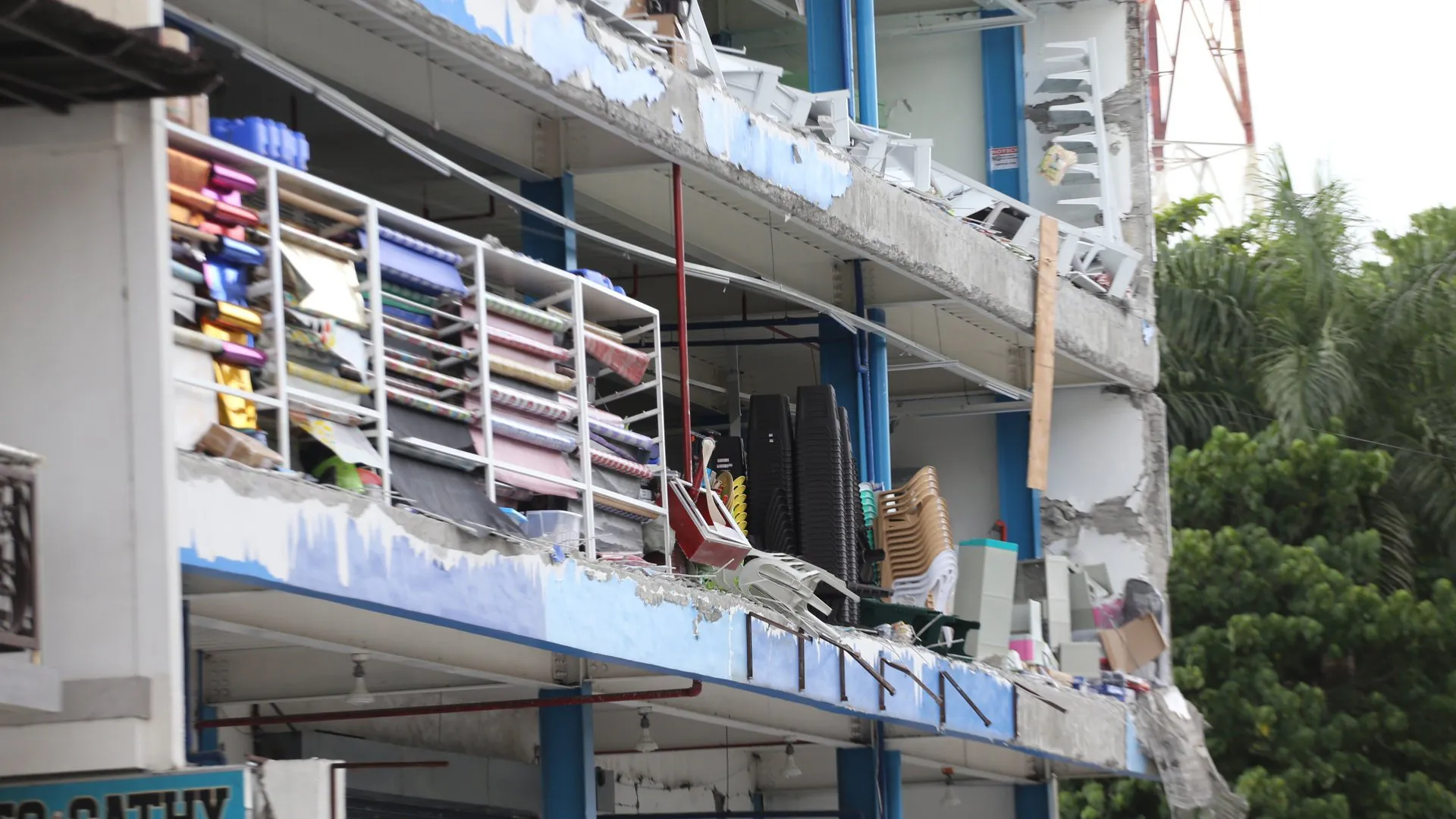
The majority of the fatalities, 31, were from the Sarangani region, General Santos City, and South Cotabato, while four were from the Davao region.
The earthquake was felt as far away as Indonesia, where a tsunami warning was also issued, and Japan, which warned parts of its Pacific coastline of possible waves.


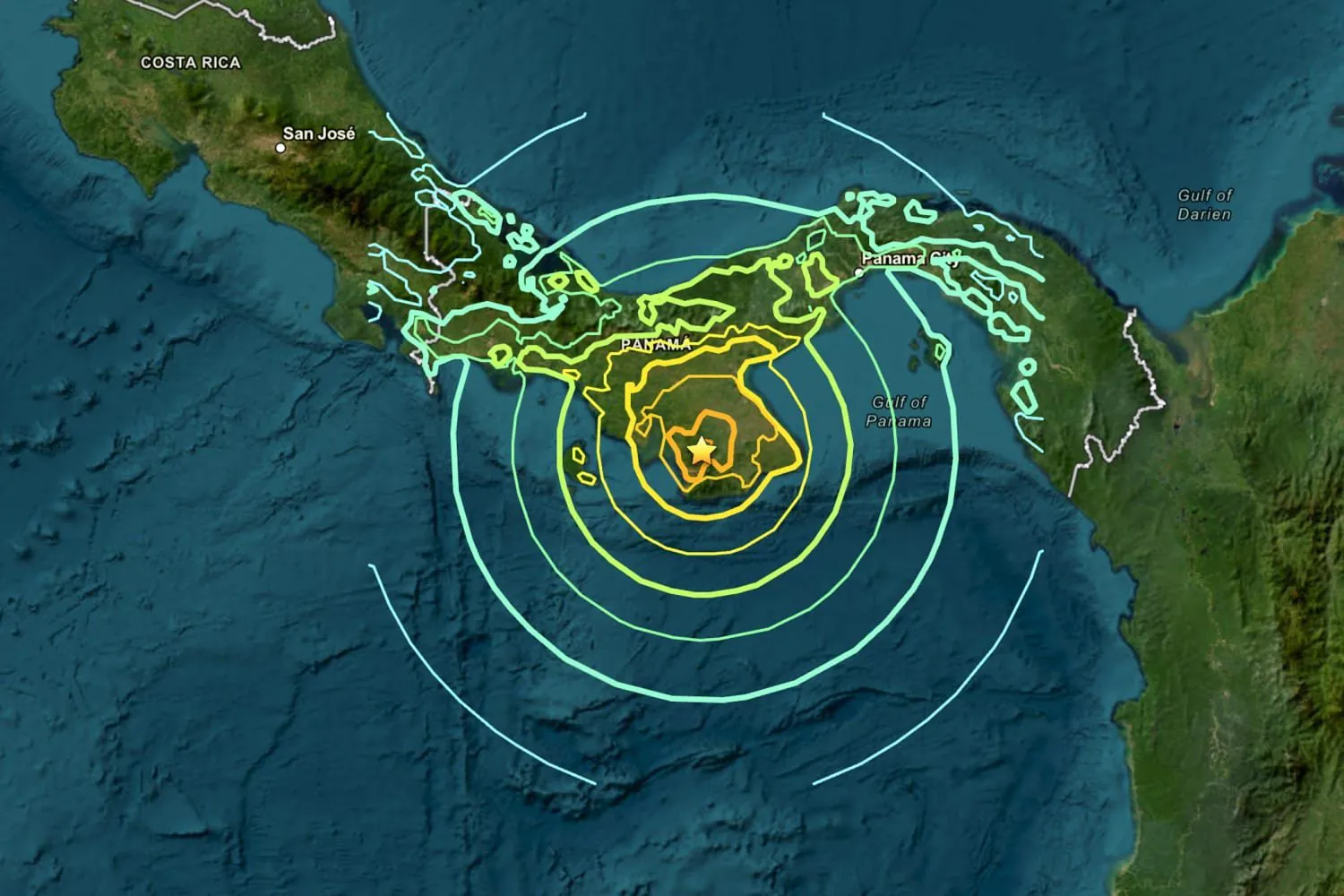
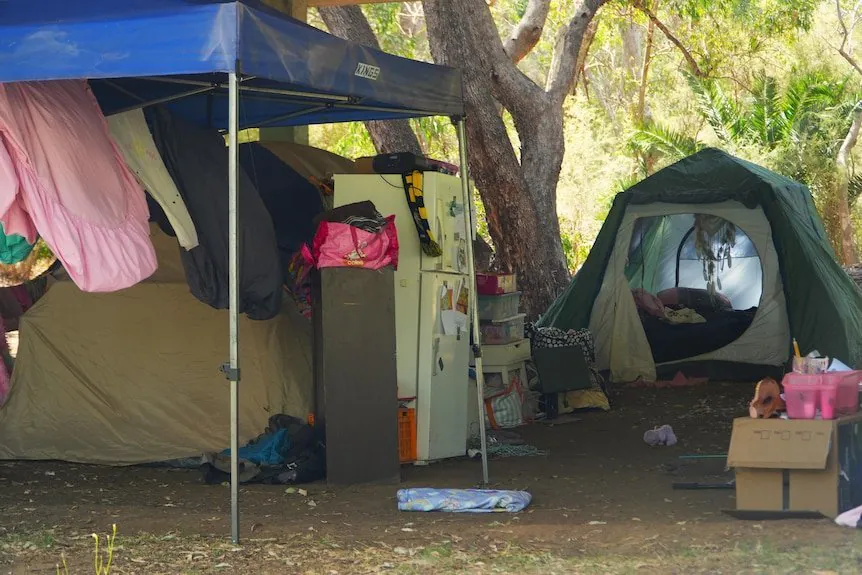
The US Geological Survey (USGS) initially warned of waves of up to three meters, but later lifted its tsunami warning. Phivolcs also lifted its tsunami warning after reporting waves of up to 1.5 meters in six coastal areas.
Despite the warnings being lifted, the full extent of the damage remains unclear. Electricity and telecommunications services were disrupted in affected areas, and the Philippine’s disaster agency reported that many buildings had been severely damaged or destroyed.
The earthquake struck on the first day of the school year, during flag-raising ceremonies at schools and government offices, meaning many students, teachers, and staff were already outside buildings.
Elene Marie Jane Gamboa, principal of Matanao National High School in Davao del Sur province, described the devastating scene: “Thank God we were having our flag-raising ceremony and everyone was outside.” One of the school buildings collapsed, but fortunately, no one was inside.
Philippine President Ferdinand Marcos Jr immediately ordered relief and protective measures and called on the population to follow the instructions of authorities.
As the country begins the long process of recovery, concerns are growing about the impact on local communities and the country’s ability to respond to the disaster.
Analysis: What This Means for Australia
The devastating earthquake in the Philippines serves as a stark reminder of the vulnerability of the Asia-Pacific region to natural disasters.
Australia, as a close neighbor and key player in the region, has a critical role to play in providing humanitarian assistance and supporting the country’s recovery efforts.
Security analysts say that the disaster highlights the importance of disaster preparedness and response in the region.
“Australia must be prepared to provide aid and assistance to affected countries, while also ensuring the safety and security of its own citizens in the region,” said one analyst.
Law enforcement insiders warn that the disaster also raises concerns about the potential for looting and civil unrest in the affected areas.
“Australia must work closely with regional partners to ensure that law and order is maintained, and that humanitarian aid reaches those who need it most,” said another expert.
Industry observers believe that the disaster will have significant economic and social consequences for the Philippines and the wider region. “The earthquake will likely have a major impact on the country’s economy, particularly in the tourism and agriculture sectors,” said one observer.
As the international community comes together to support the Philippines in this time of need, Australia must play a leading role in providing humanitarian assistance and supporting the country’s recovery efforts.
The disaster serves as a stark reminder of the importance of regional cooperation and disaster preparedness in the Asia-Pacific region.
disaster relief natural disasters Australian Government Department of Foreign Affairs and Trade