Kmart Revolution: How a Radical Store Overhaul Is Poised to Shake Up Australia’s Retail Landscape
- Kmart Group to refurbish two dozen stores with new ‘Plan C+’ format, relocating cash registers to exits and boosting sales through increased cross-shopping
- Trialling a new concept store, ‘K Home’, in Melbourne to test immersive home goods experience and unlock bigger market opportunity
- Investment in transformation program increases, with 40 stores set to trade in new format by 2026/27
- Move comes as customers become more discerning and value-conscious, prioritising cost of living and seeking better value
The retail landscape in Australia is on the cusp of a radical transformation, as Kmart Group embarks on an ambitious plan to refurbish two dozen stores with a new format that promises to revolutionise the shopping experience.
The move, dubbed ‘Plan C+’, involves relocating cash registers to the exits of stores, a bold step that is already delivering impressive results.
But that’s not all – the group is also trialling a new concept store, ‘K Home’, in Melbourne, designed to test the waters for a more immersive home goods experience.
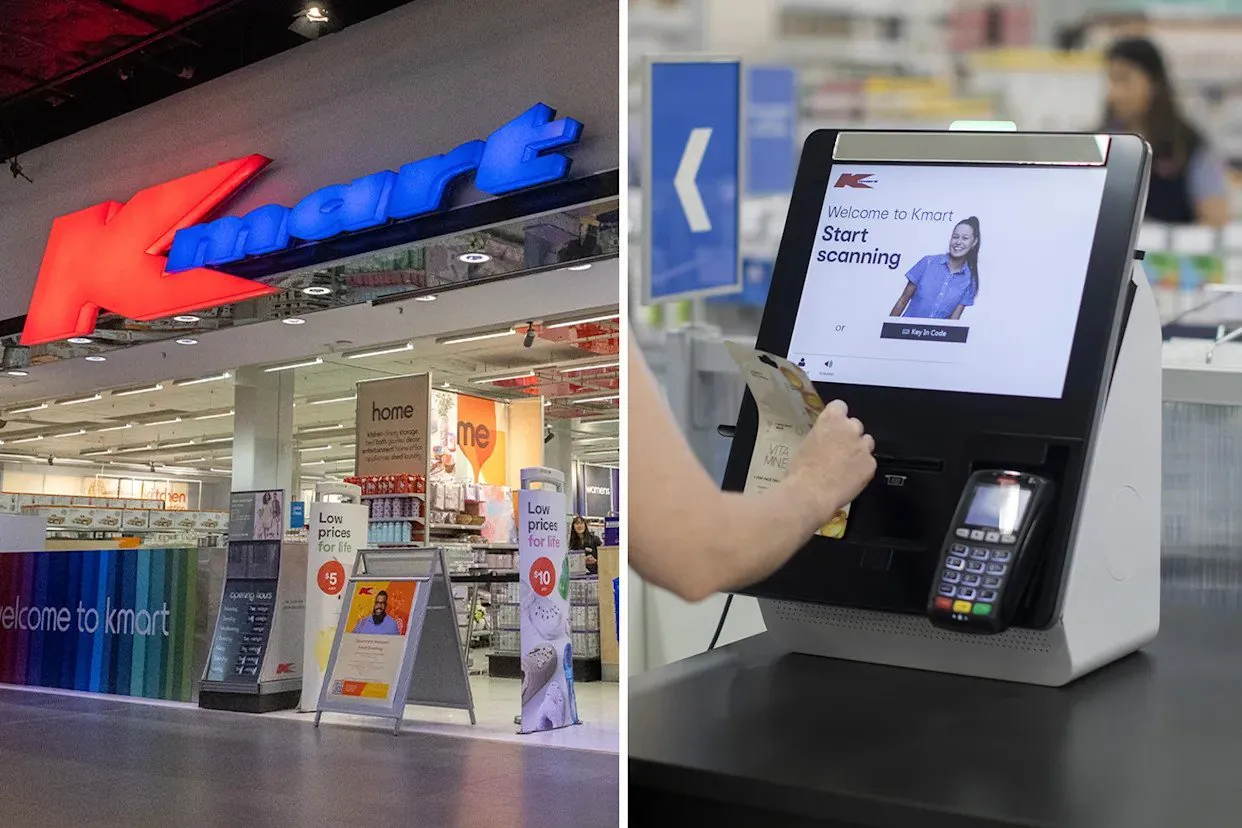
According to Kmart Group managing director Aleksandra Spaseska, the new format is already yielding impressive results. “It is delivering improved space allocation, better visual merchandising, and an enhanced beauty experience,” she revealed to analysts on Wednesday.
The numbers are backing up her claims, with sales boosted through increased cross-shopping between departments. Shoppers are buying more items per basket, and the group is taking notice.




But the decision to relocate cash registers to the exits is a significant one, and marks a dramatic U-turn from the group’s previous strategy. Between 2012 and 2015, Kmart moved its cash registers to the middle of its stores, a move that was widely panned by customers.
The new approach is a clear attempt to listen to customer feedback and adapt to changing shopping habits.
Meanwhile, the ‘K Home’ concept store in Melbourne’s Box Hill is being touted as a game-changer for the group.
The store features curated displays, room-based inspiration, and a more immersive home environment, showcasing products that are online-only due to space constraints in traditional Kmart stores.
The goal is to test whether the group can unlock a bigger home opportunity through a more immersive format.
Analysis: What This Means for Australia
The Kmart revolution has significant implications for Australia’s retail landscape. As the group invests heavily in its transformation program, it’s clear that the retail landscape is shifting towards a more immersive and experiential shopping experience.
But what does this mean for Australian consumers? For one, it means a more streamlined and efficient shopping experience, with easier access to products and a more curated range of offerings.
However, it also raises questions about the future of traditional retail. As online shopping continues to dominate, will brick-and-mortar stores be able to keep up?
The answer, according to industry insiders, is a resounding yes. “The key to success is creating an immersive experience that draws customers in and keeps them engaged,” says one retail expert.
“Kmart’s new format is a step in the right direction, but it’s just the beginning.”
Security analysts also warn that the increased focus on online shopping and digital payments raises concerns about cybersecurity and data protection. “As retailers move more of their operations online, they need to ensure that they’re protecting customer data and preventing cyber threats,” says one expert.
Law enforcement insiders also note that the shift towards online shopping has significant implications for policing and border control. “As more goods are purchased online, it’s becoming increasingly difficult to track and monitor shipments,” says one source.
“This raises concerns about the potential for illicit goods and contraband to enter the country undetected.”
As Kmart continues to push the boundaries of retail innovation, it’s clear that the implications will be far-reaching. One thing is certain – the Australian retail landscape will never be the same again.