NT Parliament Estimates Expose Deep-Rooted Issues in Crime, Policing, and Governance: What This Means for Australia’s National Security and Community Safety
- NT has the highest rates of repeat offending in the country, with a staggering 2,772 people in corrections.
- Corrections Commissioner Matthew Varley admits current rehabilitation programs are not reducing recidivism rates, sparking concerns over community safety.
- NT Police face scrutiny over lack of dedicated training on interacting with people with cognitive disabilities, following the death of Kumanjayi White in custody.
- Government’s HomeGrown Territory grants scheme fails to deliver, with only one grant awarded in regional areas, highlighting the struggle to address housing shortages.
The Northern Territory’s parliament estimates have uncovered a web of issues plaguing the region, from soaring crime rates to inadequate policing and governance. As the CLP government continues to push its tough-on-crime agenda, it’s clear that the Territory’s problems run far deeper.
With the highest rates of repeat offending in the country, the NT is facing a crisis that threatens community safety and national security.
The statistics are staggering: 2,772 people are currently in corrections, with recidivism rates remaining stubbornly high. Corrections Commissioner Matthew Varley’s admission that current rehabilitation programs are not reducing recidivism rates is a damning indictment of the system.

The lack of evidence-based programs is not only failing to address the root causes of crime but also putting the community at risk.
The NT Police are also under fire for their handling of sensitive cases, particularly in regards to people with cognitive disabilities.


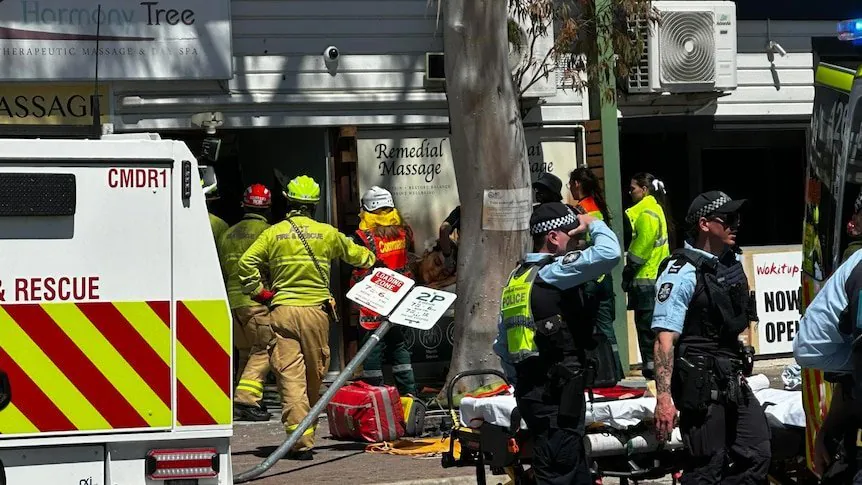

The death of Kumanjayi White in custody last year has sparked outrage, and Police Commissioner Martin Dole’s revelation that officers lack dedicated training on interacting with people with disabilities is a disturbing oversight.
The force’s consideration of changing this policy pending a coronial investigation is a step in the right direction, but it’s too little, too late for the White family.
Meanwhile, the government’s attempts to address housing shortages have been met with failure.
The HomeGrown Territory grants scheme, a key election commitment, has seen only one grant awarded in regional areas, with the majority of homes built in Darwin and Palmerston.
Housing Minister Bill Yan’s admission that finding builders to work on housing development in the NT has been difficult is a worrying sign that the government is struggling to deliver on its promises.
Analysis: What This Means for Australia
The NT’s problems have far-reaching implications for Australia’s national security and community safety.
The failure to address recidivism rates and provide adequate policing training not only puts the Territory’s residents at risk but also threatens to spill over into other states.
The lack of effective governance and accountability in the NT is a ticking time bomb, waiting to unleash a wave of crime and social unrest on the rest of the country.
Security analysts say that the NT’s woes are a classic example of the consequences of inadequate investment in community programs and policing. “When you fail to address the root causes of crime, you get a cycle of violence and recidivism that’s hard to break,” said one expert.
“The NT government needs to take a long, hard look at its policies and start investing in programs that actually work.”
Law enforcement insiders warn that the NT Police’s lack of training on interacting with people with cognitive disabilities is a recipe for disaster. “It’s only a matter of time before another tragedy occurs,” said a source.
“The government needs to take immediate action to address this oversight and ensure that officers are equipped to handle sensitive situations.”
As the NT parliament estimates continue next week, one thing is clear: the Territory’s problems require a comprehensive and urgent response. The government must take bold action to address recidivism rates, policing failures, and governance issues, or risk facing the consequences of a community in crisis.