Australia’s Deadly Overdose Crisis: ‘One Person Every 3.5 Hours’ as 2,600 Fatalities Recorded in 2024
- Australia records its deadliest year on record for drug overdoses, with 2,596 fatalities in 2024, averaging seven deaths per day.
- Experts warn that the deaths are preventable and governments must invest more in harm reduction and treatment services.
- Marg Quon, who lost her son to an overdose 18 years ago, says it’s frustrating that progress has not been made in preventing overdose deaths.
- Penington Institute’s chief executive John Ryan says the cause of each death is fundamentally preventable and governments are not doing enough to address the issue.
Australia’s overdose crisis has reached a devastating new low, with the country recording its deadliest year on record for drug overdoses. According to a new analysis by the Penington Institute, 2,596 people lost their lives to overdose in 2024, averaging seven deaths per day.
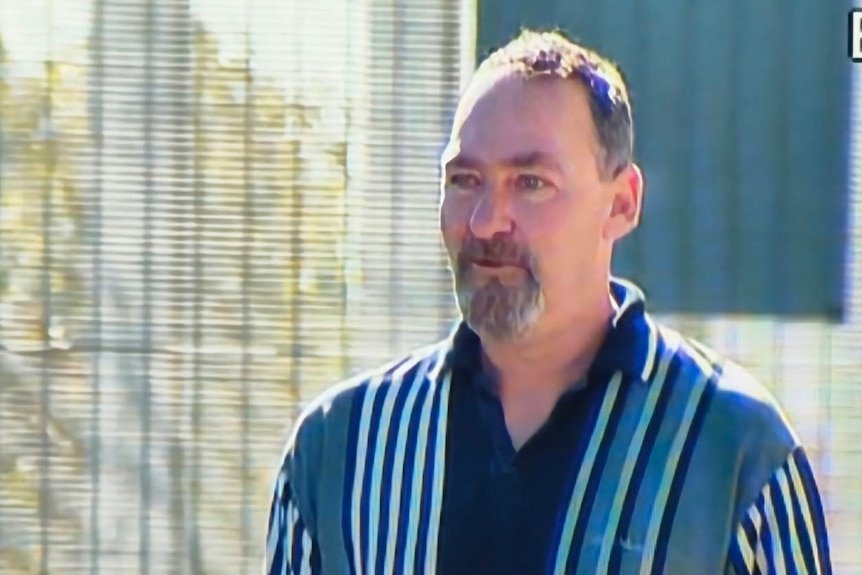
For Marg Quon, who lost her 28-year-old son Kris to an overdose 18 years ago, the news is a stark reminder that not enough is being done to prevent these tragedies.
Kris Quon’s death was a shock to his family, who had no idea that their “adventurous” son, who loved skateboarding and photography, was struggling with addiction.
On the night of his death, Kris had consumed a lethal mix of alcohol, cannabis, heroin, and benzodiazepines. His mother, Marg, still remembers the pain and anguish of finding him unresponsive in his bedroom.
“I screamed like a banshee,” she recalls. “It was a moment that changed my life forever.”

Fast forward to 2024, and the numbers are even more alarming.
The Penington Institute’s analysis of the most recent Australian Bureau of Statistics data on drug-induced deaths reveals that 80% of the fatalities – 2,091 – were unintentional.
The report also shows that deaths related to cocaine, stimulants (such as methamphetamine), and opioids (such as heroin) all increased in 2024.
Illicit drug policy researcher Alison Ritter, from the University of New South Wales, says the data is of “grave concern” and should prompt governments to take immediate action.
So, what’s driving these devastating numbers? According to John Ryan, the biggest driver is amphetamines, particularly ice.
“It’s amazingly prevalent and amazingly harmful as a drug, and amazing that we don’t, as a community, face up to that challenge,” he says. Ryan argues that there is an “overdose knowledge gap” in the community, with many people unaware of the risks associated with certain drugs.
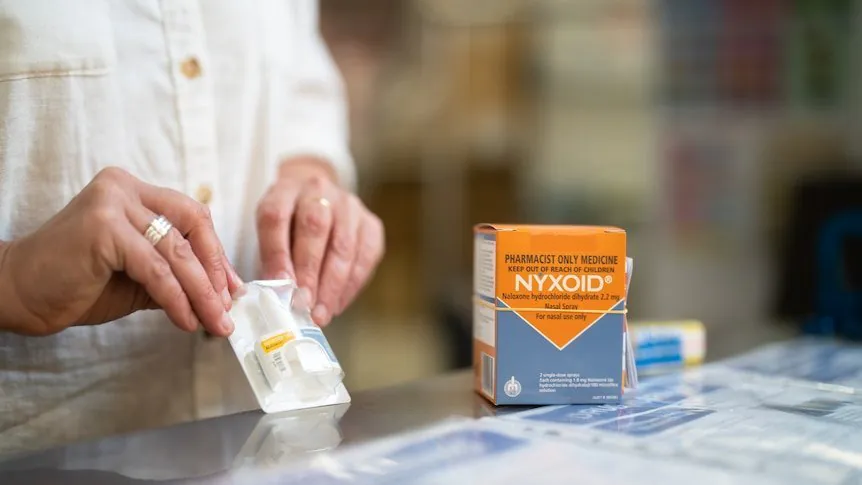
He also points to a lack of funding for harm reduction measures, such as education, the opioid overdose withdrawal drug naloxone, drug testing, and safe injecting facilities.
Analysis: What This Means for Australia
The overdose crisis has significant implications for Australia’s national security, law enforcement, and public health.
The fact that 2,000 fatal overdoses have been recorded for the 10th year in a row is a stark reminder that the current approach is not working.
Experts say that a more balanced approach is needed, with a greater emphasis on harm reduction and treatment services.
Security analysts say that the crisis highlights the need for a more effective response to the illicit drug trade, including increased funding for law enforcement and border control.
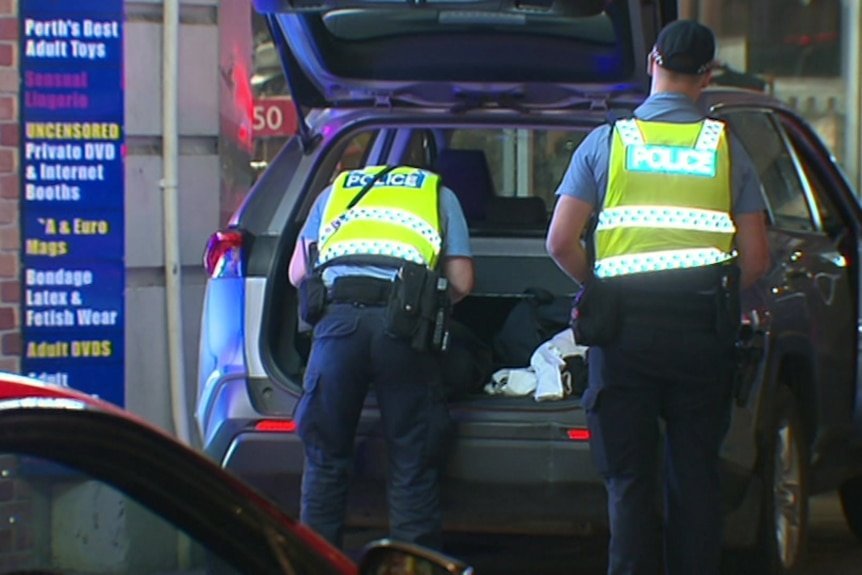
Law enforcement insiders warn that the crisis is also having a significant impact on the country’s justice system, with many people being funneled into the criminal justice system rather than receiving the treatment they need.
Industry observers believe that the crisis is also having a significant economic impact, with the cost of overdose deaths estimated to be in the billions of dollars.
Professor Ritter says that the data highlights the need for a more nuanced approach to drug policy, one that balances law enforcement with harm reduction and treatment.
“We’ve got good evidence from research that we’ve done that it would be far better to refer people who use drugs into harm reduction and treatment services than put them through the criminal justice system,” she says.
Marg Quon’s story is a powerful reminder of the human cost of the overdose crisis.
Her son Kris’s death was preventable, and she hopes that by sharing her story, she can help raise awareness about the need for greater action to address the crisis.
As she says, “I’m disappointed that we’ve not made a great deal of progress in preventing overdose. I hope that by sharing my story, I can help make a difference.”