
“Benadryl Challenge” Horror: Aussie Parents Warned as US Teen Left ‘Brain Dead’ from Viral Social Media Trend
- A 15-year-old US girl has been left with “zero brain activity” after taking part in the deadly “Benadryl challenge” that’s spreading like wildfire on social media.
- Doctors and parents are sounding the alarm, warning of the dangers of the viral trend that can quickly spiral into life-threatening territory.
- The challenge involves consuming high doses of the allergy medication to cause a high with hallucinations, but can lead to seizures, cardiac arrest, and respiratory failure.
- Australian parents are being urged to be vigilant, as the over-the-counter medication is widely available in local pharmacies without a prescription.
In a heart-wrenching warning to parents, Richard Presson’s 15-year-old daughter Leah has been left “brain dead” after participating in the so-called “Benadryl challenge”.
The viral contest, which originated in the US, sees people consuming the allergy medication in dangerously high doses to cause a high with hallucinations.
The devastating consequences have left Leah with “zero brain activity”, and her father is now speaking out to prevent other families from suffering the same tragedy.
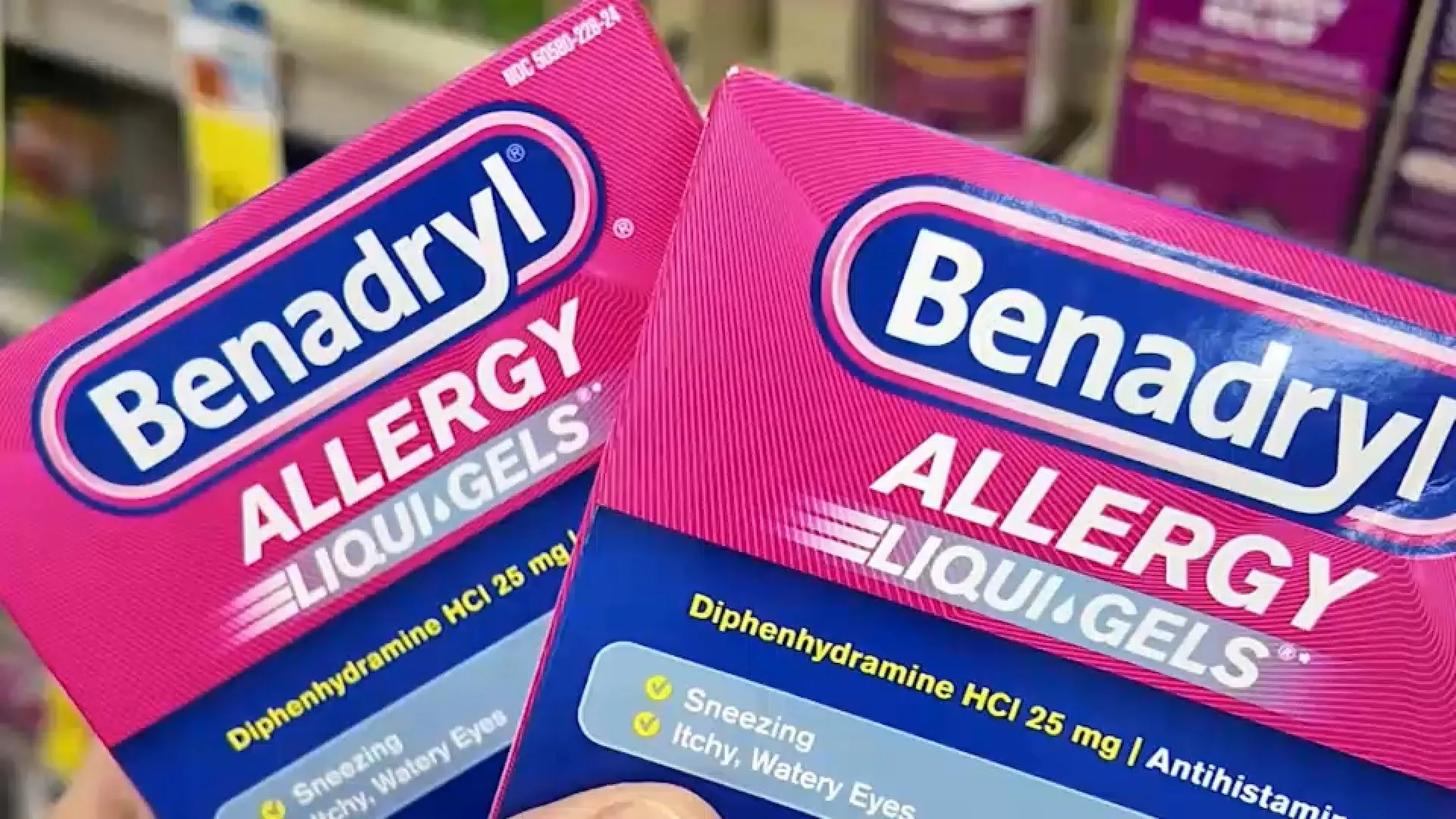
The “Benadryl challenge” first emerged in 2020 but has been gaining momentum again in recent weeks, prompting doctors and parents to sound the alarm. In Australia, Benadryl Original is a cough and cold syrup sold over the counter at most local pharmacies without a prescription.
However, it contains diphenhydramine, a sedating antihistamine that can be deadly in high doses.
The Therapeutic Goods Administration (TGA) regulates medicines containing diphenhydramine for use as both allergy symptom relief and short-term insomnia relief in Australia, but its availability and labelling are tightly controlled under the Poisons Standard to ensure safe use.
Leah’s father, Richard, initially suspected her seizures were related to her history of asthma, but medical experts soon confirmed that her condition was caused by the “Benadryl challenge”.
Despite tests showing no brain activity, Richard remains hopeful, telling his daughter to “keep fighting and stay strong”. The family has chosen to donate Leah’s organs, which could potentially save up to 90 lives.
Doctors in the US have warned of a spike in the number of teenagers taking part in the dangerous social media trend. “We have seen an uptick in cases of kids who have been overdosing on Benadryl,” Dr.
Shahfar Khan of Rady’s told the New York Post in April.
“The dose required to induce hallucinations is also the same dose that can cause cardiac arrest and respiratory arrest.” Overdoses can also cause seizures, dangerous heart rhythm problems, and stopped breathing, with treatment including medications to stabilise heart rhythms and, in extreme cases, defibrillation.
Analysis: What This Means for Australia
The “Benadryl challenge” is a stark reminder of the dangers of social media trends and the importance of parental vigilance.
Australian parents need to be aware of the risks associated with over-the-counter medications like Benadryl and have open and honest conversations with their children about the dangers of these challenges.
The TGA’s regulation of medicines containing diphenhydramine is crucial in preventing such tragedies, but it’s also up to parents to educate their children about the risks of misusing these medications.
Security analysts say that the “Benadryl challenge” highlights the need for increased online safety measures and greater awareness about the dangers of social media trends.
“Parents need to be proactive in monitoring their children’s online activity and having open and honest conversations with them about the risks associated with these challenges,” said one expert.
Law enforcement insiders warn that the “Benadryl challenge” is just one of many examples of the darker side of social media, where children are often exposed to harmful content and trends.
“We need to work together to create a safer online environment for our children, and that includes educating them about the risks associated with these challenges,” said another expert.
Industry observers believe that the “Benadryl challenge” is a wake-up call for parents, educators, and policymakers to take action and prevent such tragedies from happening in the future.
“We need to work together to create a safer online environment for our children, and that includes educating them about the risks associated with these challenges,” said an industry expert.