Density of Data: $10 Billion Centre to Spark Water Wars in Drought-Prone South Australia
- A proposed 800-megawatt data centre in South Australia’s Mid North has sparked concerns over water depletion from the River Murray.
- The $10 billion development, set to be one of the largest in the Asia Pacific, has caught locals off guard, with many fearing the impact on the region’s drought-prone ecosystem.
- Australian tech company IREN claims the centre will use a closed-loop cooling system, requiring minimal water, but experts warn of potential risks and unknown long-term consequences.
- Regional residents are sounding the alarm, citing the region’s already limited water sources and the potential for the data centre to become a national security risk.
The rolling hills of South Australia’s Mid North have long been a tranquil escape for Clayton Heinrich, a farmer who has called the region home for over 40 years.
However, the once-clear horizon of his retirement property has changed dramatically over the past three years, and his plans are now uncertain. The reason for this shift lies just three kilometres away – the Bundey electrical substation, a crucial hub for Australia’s largest energy transmission project.
Australian company IREN has proposed a $10 billion data centre to be built adjacent to the Bundey substation, using its infrastructure to support an 800-megawatt project.
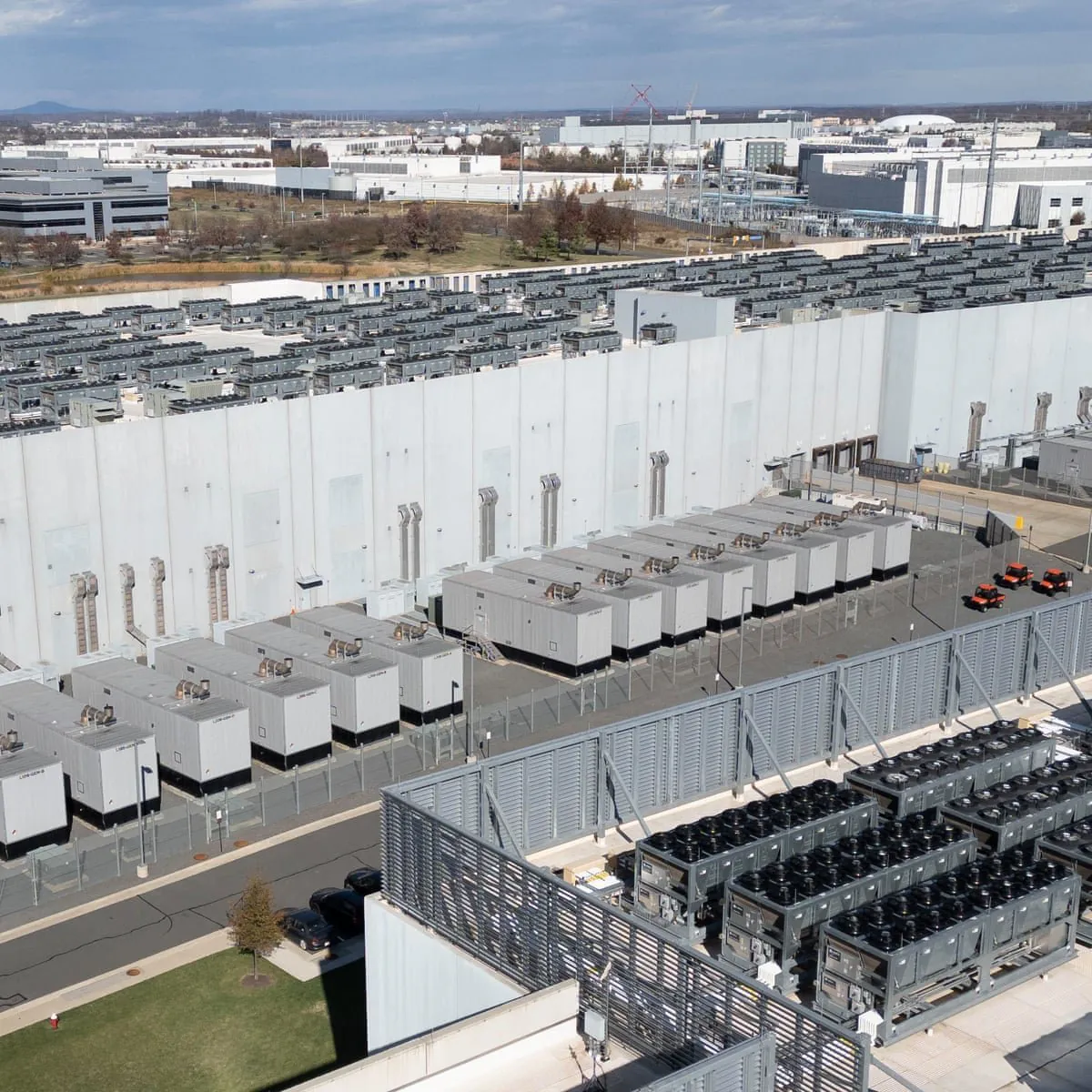
The development has caught locals off guard, with many expressing concern over the potential depletion of water from the River Murray. Heinrich, like many in the region, is worried about the impact on the local ecosystem and the future of his farm.
“I used to get people out here to have a look at the stars … camping out here, but I guess those days may be gone,” he said.




The Bundey development is yet to be formally assessed through the appropriate development processes, including consultation and review from state departments. However, if approved, it would be one of the biggest data centres in the Asia Pacific region.
IREN claims the centre will use a closed-loop cooling system, which involves coolant being circulated in a sealed loop and dispersing heat through the air, not through water.
However, experts warn that even with this system, the centre will still require significant amounts of water, particularly during the initial fill.
Australian National University environmental accounting associate professor Michael Vardon notes that closed-loop systems still require “topping up,” and the exact amount of water required is still unknown.
“It’s not as water-intensive as other technologies, but it’s still absolutely massive,” he said.
The region’s semi-arid climate and limited water sources only add to the concerns, with many fearing the data centre will become a significant drain on the River Murray.
Analysis: What This Means for Australia
The proposed data centre raises significant concerns about national security, water management, and the long-term sustainability of the region. As the world becomes increasingly reliant on digital technology, the demand for data centres is growing.
However, this growth must be balanced with the needs of local communities and the environment. The Australian government must carefully consider the implications of such large-scale developments and ensure that they are aligned with the country’s long-term interests.
Security analysts say that the data centre could become a potential target for cyber attacks, particularly given the region’s limited security infrastructure. The centre’s reliance on the River Murray for water also raises concerns about the impact on the local ecosystem and the potential for drought.
As Henry Schutz, a local farmer, notes, “With the conflict going on around the world at the moment, my first thought was we’re actually making ourselves quite a big target.” The government must take a proactive approach to addressing these concerns and ensuring that the development is done in a responsible and sustainable manner.
Regional Council of Goyder mayor Bill Gebhardt has welcomed the project, citing the potential for job opportunities and investment in the region. However, others are more cautious, highlighting the need for careful consideration and community consultation.
As Teresa ter Bogt, a local conservationist, notes, “Any development that takes a large amount of water out of our River system is a concern.” The government must listen to these concerns and ensure that the development is done in a way that balances the needs of the local community with the demands of the data centre.
In conclusion, the proposed data centre in South Australia’s Mid North is a complex issue that requires careful consideration and analysis.
While it may bring economic benefits and job opportunities, it also raises significant concerns about national security, water management, and the long-term sustainability of the region.
The Australian government must take a proactive approach to addressing these concerns and ensuring that the development is done in a responsible and sustainable manner.