Australian Interests on High Alert as Trump’s Iran Deal Sparks Hope and Fear: What This Means for Our National Security
- Australia’s diplomatic relationship with Iran hangs in the balance as the US and Iran sign a historic interim agreement, averting a global economic catastrophe.
- The deal sparks hope for a wider peace in the Middle East, but experts warn of potential risks to Australian interests and national security.
- Oil prices plummet, then surge again as Trump threatens to resume war if Iran fails to honour its commitments, leaving Australian businesses and consumers on edge.
- Australia’s allies, including the US, China, and Russia, play a crucial role in the agreement, but what does this mean for our regional relationships and strategic partnerships?
Australia’s national security and economic interests are on high alert as the United States and Iran sign a historic interim agreement, marking a significant shift in the volatile Middle East landscape.
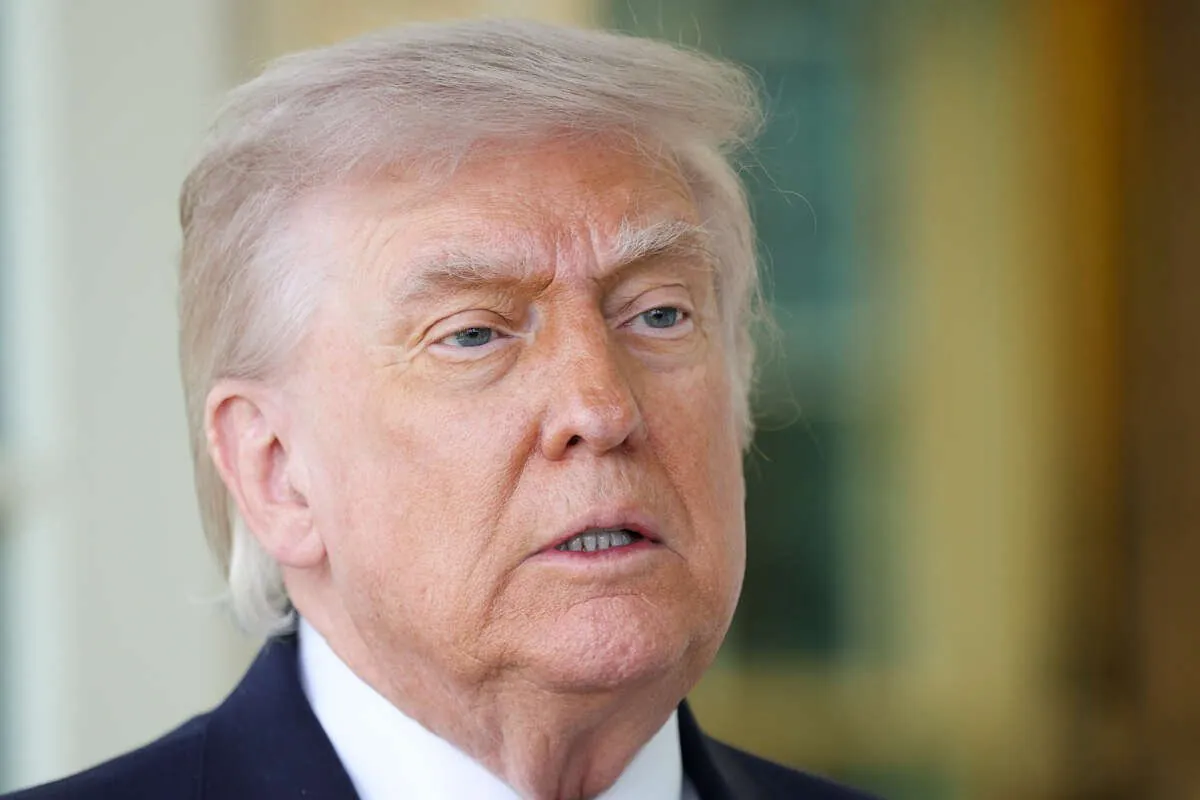
The deal, brokered by US President Donald Trump, has sparked a mix of hope and fear, with experts warning of potential risks to Australian interests and national security.
The agreement, signed at the close of a G7 summit in France, extends a ceasefire announced in April by another 60 days, allowing the two sides to negotiate a permanent truce.
The 14-point draft, which has already circulated widely, aims to bring about the “immediate and permanent termination of military operations on all fronts, including in Lebanon.” Under the terms of the document, neither side would carry out further military operations against the other after the agreement is signed.
But what does this mean for Australia? As a key player in the Asia-Pacific region, our country’s diplomatic relationship with Iran hangs in the balance.



The agreement has sparked hope for a wider peace in the Middle East, but experts warn of potential risks to Australian interests and national security. “This agreement is a double-edged sword,” says a security analyst.
“On one hand, it could lead to a reduction in tensions and a more stable region. On the other hand, it could embolden Iran and create new challenges for Australia and its allies.”
Analysis: What This Means for Australia
The agreement has significant implications for Australia’s national security and economic interests. With the US committing to reduce its military presence in the region, Australia may need to reassess its own military strategy and alliances.
“This agreement could lead to a shift in the regional balance of power,” warns a defence expert. “Australia needs to be prepared to adapt and respond to these changes to ensure our national security and interests are protected.”
The agreement also has economic implications for Australia. Oil prices plummeted, then surged again as Trump threatened to resume war if Iran fails to honour its commitments.
This volatility could have significant impacts on Australian businesses and consumers, particularly in the energy sector. “The agreement is a welcome development, but it’s not a guarantee of stability,” says an economist.
“Australian businesses need to be prepared for ongoing volatility and potential disruptions to global supply chains.”
Experts also point to the role of Australia’s allies, including the US, China, and Russia, in the agreement. “This deal is a testament to the power of diplomacy and the importance of strategic partnerships,” says a foreign policy expert.
“Australia needs to continue to nurture its relationships with these countries to ensure our interests are represented and protected.”
As the situation continues to unfold, one thing is clear: Australia’s national security and economic interests are on high alert. The government must be prepared to respond to emerging challenges and opportunities, and to adapt to the changing landscape of the Middle East.
Only time will tell if this agreement will bring lasting peace to the region, but one thing is certain – Australia’s interests will be front and centre in the months and years to come.
Security analysts say the agreement is a significant development, but caution that it’s not a guarantee of stability. “This deal is just the beginning,” says one expert.
“The real work starts now, and Australia needs to be prepared to play its part in shaping the future of the region.”
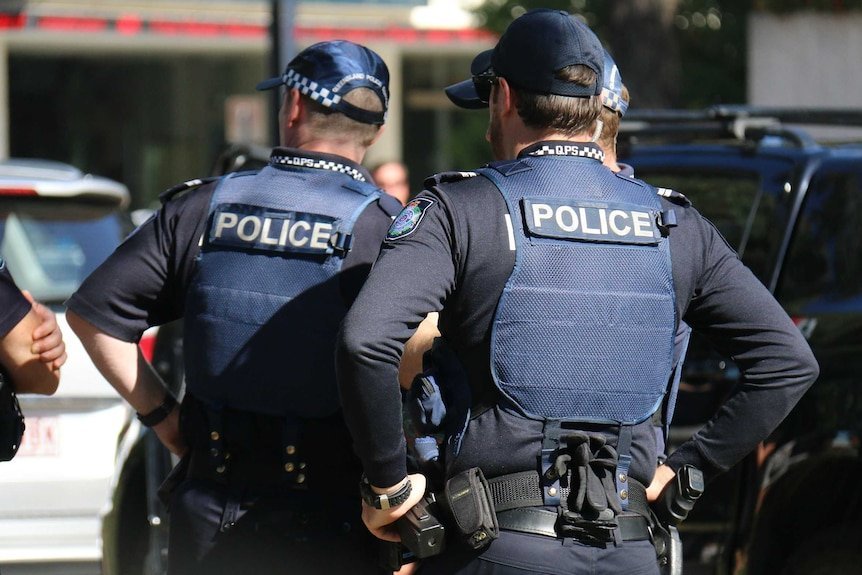
Law enforcement insiders warn that the agreement could have implications for Australia’s counter-terrorism efforts. “Iran’s involvement in the region is a concern for Australian authorities,” says one source.
“We need to be vigilant and ensure that our counter-terrorism strategies are adapted to the changing landscape.”
Industry observers believe the agreement could have significant economic implications for Australia. “The deal is a welcome development, but it’s not a guarantee of stability,” says one expert.
“Australian businesses need to be prepared for ongoing volatility and potential disruptions to global supply chains.”
As the situation continues to unfold, Australia’s national security and economic interests will remain on high alert. The government must be prepared to respond to emerging challenges and opportunities, and to adapt to the changing landscape of the Middle East.