WA Police to Deploy Live Facial Recognition Cameras at Major Events, Sparking Fears of Mass Surveillance
- Western Australia will become the first state to trial live facial recognition cameras, scanning crowds for wanted individuals, child sex offenders, and missing persons.
- The technology, to be deployed in a marked police van, has raised concerns about privacy breaches and mass surveillance.
- Police Commissioner Col Blanch says the cameras will be used to keep the community safe, but critics argue it’s a step too far.
- The trial has sparked fears of covert technology being used at protests, with the commissioner not ruling out its use in the future.
The debate over live facial recognition technology has reached a boiling point in Western Australia, with police set to deploy cameras at major events to scan crowds for wanted individuals, child sex offenders, and missing persons.
The move has sparked concerns about privacy breaches and mass surveillance, with critics arguing it’s a step too far.
At the heart of the controversy is Police Commissioner Col Blanch, who insists the technology is necessary to keep the community safe. “This is about specifying those in our community who are wanted by police,” he said.
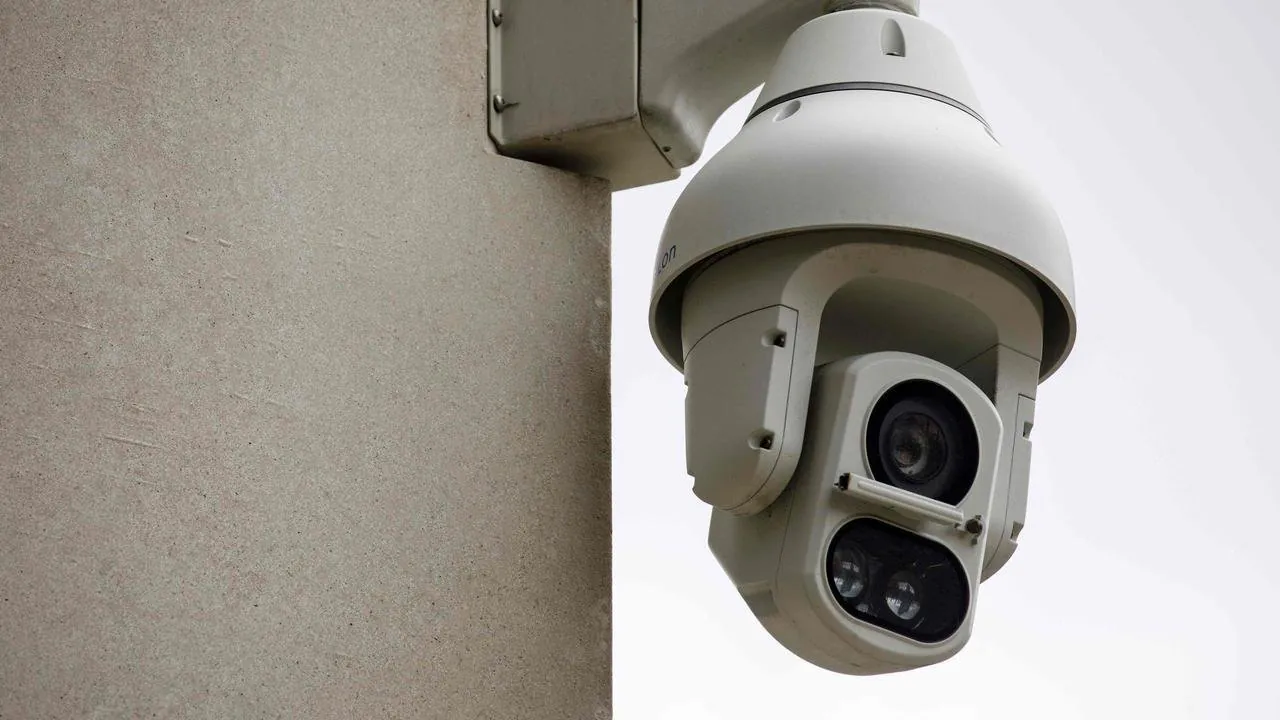
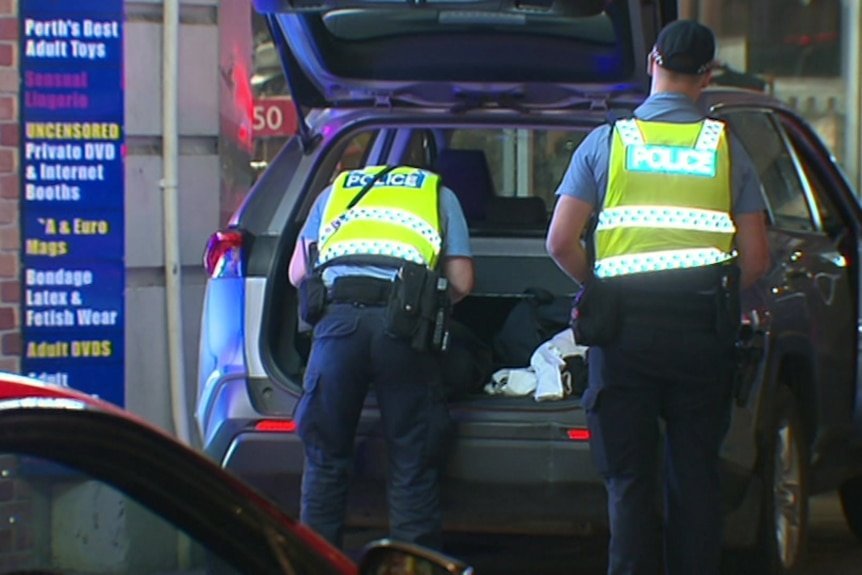
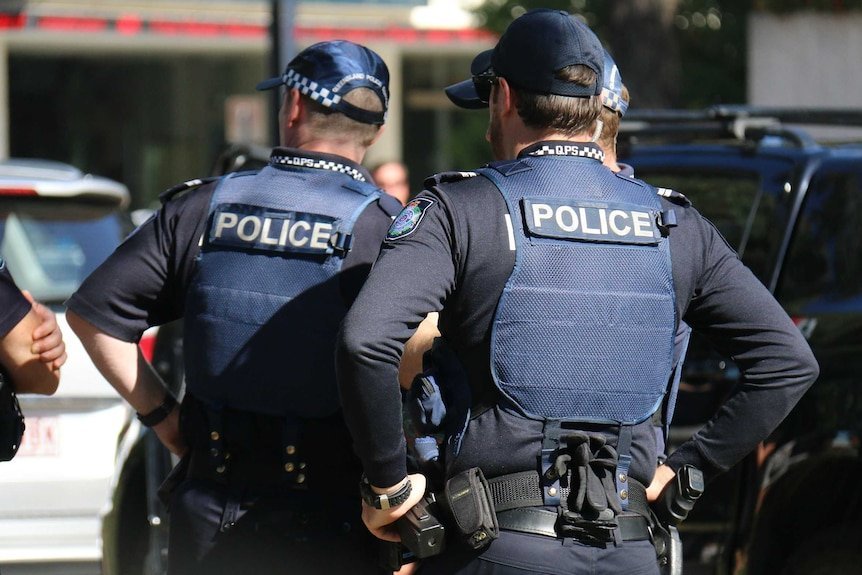
The cameras, which will be deployed in a marked police van, will scan faces and match them against a database of targets. If a match is detected, an alert will be sent to nearby officers to confirm the person’s identity.
But not everyone is convinced. Critics argue that the technology is a form of mass surveillance, and that it could be used to unfairly target certain groups.

The Australian Privacy Foundation has expressed concerns about the potential for abuse, and the impact on civil liberties. “This is a technology that has the potential to be used in a very invasive way,” said the foundation’s chairman, David Vaile.
The use of live facial recognition technology is not new in Australia, but this is the first time it will be used in real-time.
Commissioner Blanch says the police have used facial recognition technology on already obtained footage for over a decade, but this is the first time it will be used in a live feed.
The technology has already been used by private companies, including Bunnings, which was found to have breached the privacy of potentially hundreds of thousands of Australians through the use of facial recognition cameras.
Analysis: What This Means for Australia
The introduction of live facial recognition technology in Western Australia raises significant concerns about national security, law enforcement, and community impact. On one hand, the technology has the potential to improve public safety by quickly identifying and apprehending wanted individuals.
On the other hand, it also raises concerns about mass surveillance and the potential for abuse.
Security analysts say that the use of live facial recognition technology could be a game-changer for law enforcement, allowing police to quickly identify and respond to potential threats.
However, law enforcement insiders warn that the technology is not foolproof, and that there is a risk of false positives.
Industry observers believe that the use of live facial recognition technology could have significant economic and social consequences, particularly if it is used to unfairly target certain groups.
Expert commentary suggests that the use of live facial recognition technology is a complex issue, and that there are no easy answers. “This is a technology that has the potential to be used in a very invasive way,” said David Vaile, chairman of the Australian Privacy Foundation.
“We need to have a careful and nuanced discussion about how this technology is used, and what safeguards are in place to protect people’s privacy.”
As the debate over live facial recognition technology continues, one thing is clear: this is a technology that has the potential to fundamentally change the way we interact with law enforcement, and the way we think about privacy and surveillance.
Whether or not it is used responsibly, and with the necessary safeguards in place, remains to be seen.
facial recognition technology national security law enforcement privacy Australian Privacy Foundation Western Australia Police