Israel Defies Global Pressure as Lebanon Death Toll Mounts: Why Australia’s Opposition is Backing the Embattled Nation
- The death toll in Lebanon’s latest war with Israel has risen to 4,000, with 16 people killed in Israeli strikes on Saturday, including two children
- Despite a US-Iran MOU aimed at ending hostilities, Israel continues its military invasion of southern Lebanon, sparking global condemnation
- Australia’s opposition has backed Israel’s right to defend itself, putting them at odds with the government, which has called for an end to Israel’s military operations in Lebanon
- The conflict has sparked a global economic crisis, with Iran closing the Strait of Hormuz and warning of a toll on ships passing through the vital waterway
The war between Israel and Hezbollah in Lebanon has reached a boiling point, with a death toll of 4,000 and counting.
Despite a memorandum of understanding (MOU) between the US and Iran aimed at ending hostilities, Israel continues its military invasion of southern Lebanon, sparking global condemnation.
But Australia’s opposition has backed Israel’s right to defend itself, putting them at odds with the government, which has called for an end to Israel’s military operations in Lebanon.
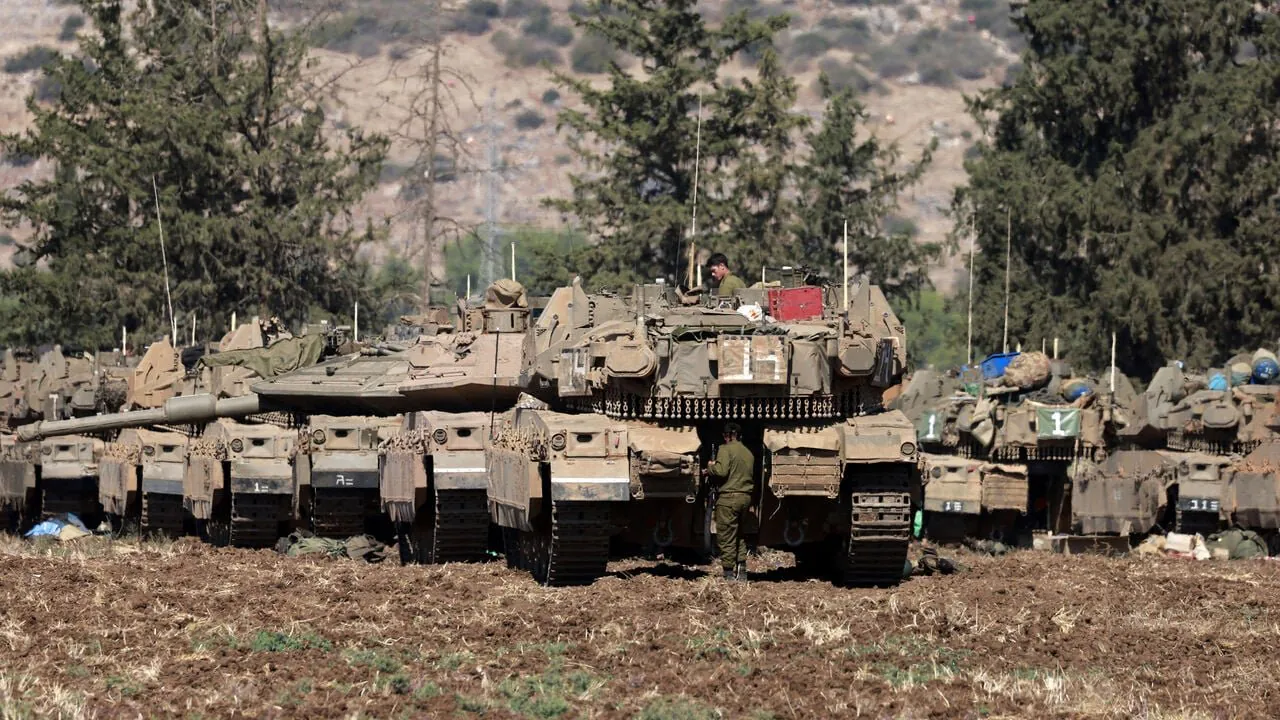
The latest escalation in the conflict came on Saturday, when Israeli strikes on southern Lebanon killed at least 16 people, including two children.
The strikes came just hours after the MOU came into effect, which commits the US to ensuring an “immediate and permanent end to the war on all fronts, including Lebanon”.


But Israel is not a signatory to the agreement, and has continued its military operations in Lebanon, citing the need to defend itself against Hezbollah.
Shadow Foreign Affairs Minister Ted O’Brien has defended Israel’s right to defend itself, saying that the country has a right to protect its citizens from terrorist threats.
“If we have a terrorist organisation still threatening the lives of Israeli people, then I think Israel has a right to defend itself,” he said. But the remarks have been met with criticism from the government, which has said that Israel should not be conducting military operations in Lebanon.
The conflict has sparked a global economic crisis, with Iran closing the Strait of Hormuz and warning of a toll on ships passing through the vital waterway.
The Strait of Hormuz is a critical shipping lane, with nearly 20% of the world’s oil passing through it. The closure of the Strait has sent oil prices soaring, and has sparked fears of a global economic catastrophe.
Prime Minister Anthony Albanese has said that Australia will make its own decisions about sanctions, responding to a provision in the MOU which lifts some US sanctions on Iran.
But the opposition has warned that introducing a toll on the Strait of Hormuz would have serious consequences for Australia’s economy.
“A permanent toll would be bad in practise, wrong in principal and set a dangerous precedent for how otherwise waterways should be managed internationally,” said Mr O’Brien.
Analysis: What This Means for Australia
The conflict in Lebanon has serious implications for Australia’s national security and economic interests. The closure of the Strait of Hormuz has already sent oil prices soaring, and has sparked fears of a global economic catastrophe.
The opposition’s backing of Israel’s right to defend itself has also sparked concerns about the country’s relationship with its allies in the region.
Security analysts say that the conflict in Lebanon is a symptom of a broader shift in the global balance of power. “The US-Iran MOU is a sign of a new era of diplomacy, where security and economics are converging and are intertwined,” said Mr O’Brien.
The agreement reflects a shifting international landscape, where economic and security interests are increasingly connected.
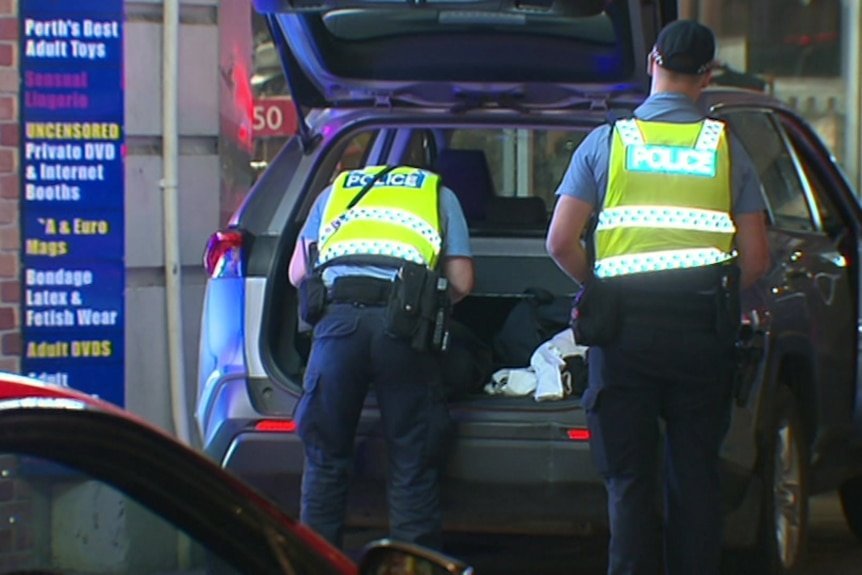
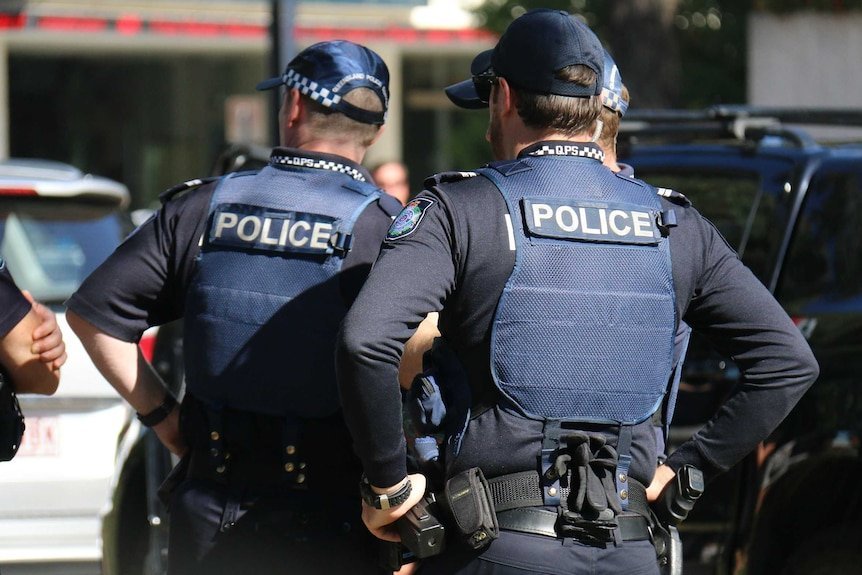
Law enforcement insiders warn that the conflict in Lebanon also has implications for Australia’s domestic security.
The country’s Jewish community has been targeted by pro-Palestinian protesters, and there are concerns about the potential for violence to spill over onto Australian soil.
As the conflict in Lebanon continues to escalate, Australia’s opposition and government are at odds over the country’s response.
The opposition’s backing of Israel’s right to defend itself has sparked concerns about the country’s relationship with its allies in the region, while the government’s call for an end to Israel’s military operations in Lebanon has been met with criticism from the opposition.
As the situation continues to unfold, one thing is clear: the conflict in Lebanon has serious implications for Australia’s national security and economic interests.