
Trump’s ‘Slavery Tariffs’ Threaten to Wreak Havoc on Australian Businesses as US Proposes 12.5% Levy on Imports
- Australia slams US proposal, saying there’s “no credible evidentiary basis” for the tariff, which would breach a longstanding free trade agreement
- The Trump administration claims the move is in response to issues with forced labour in supply chains, but Australia argues it’s a thinly veiled attempt to increase US power over other countries
- Australian business leaders urge the US to exclude five categories of imports from the tariff, including products designed to help people with disabilities
- The proposed tariff would replace a 10% levy struck down by the US Supreme Court in February and could have significant economic and social consequences for Australia
The Trump administration’s latest salvo in its trade war with Australia has left Canberra reeling, with a proposed 12.5% tariff on imports that could have far-reaching consequences for Australian businesses and consumers.
The move, which the US claims is in response to issues with forced labour in supply chains, has been met with fierce resistance from Australia, which argues there is “no credible evidentiary basis” for the tariff.
At the heart of the dispute is a longstanding free trade agreement between the two countries, which the US is accused of trying to breach.
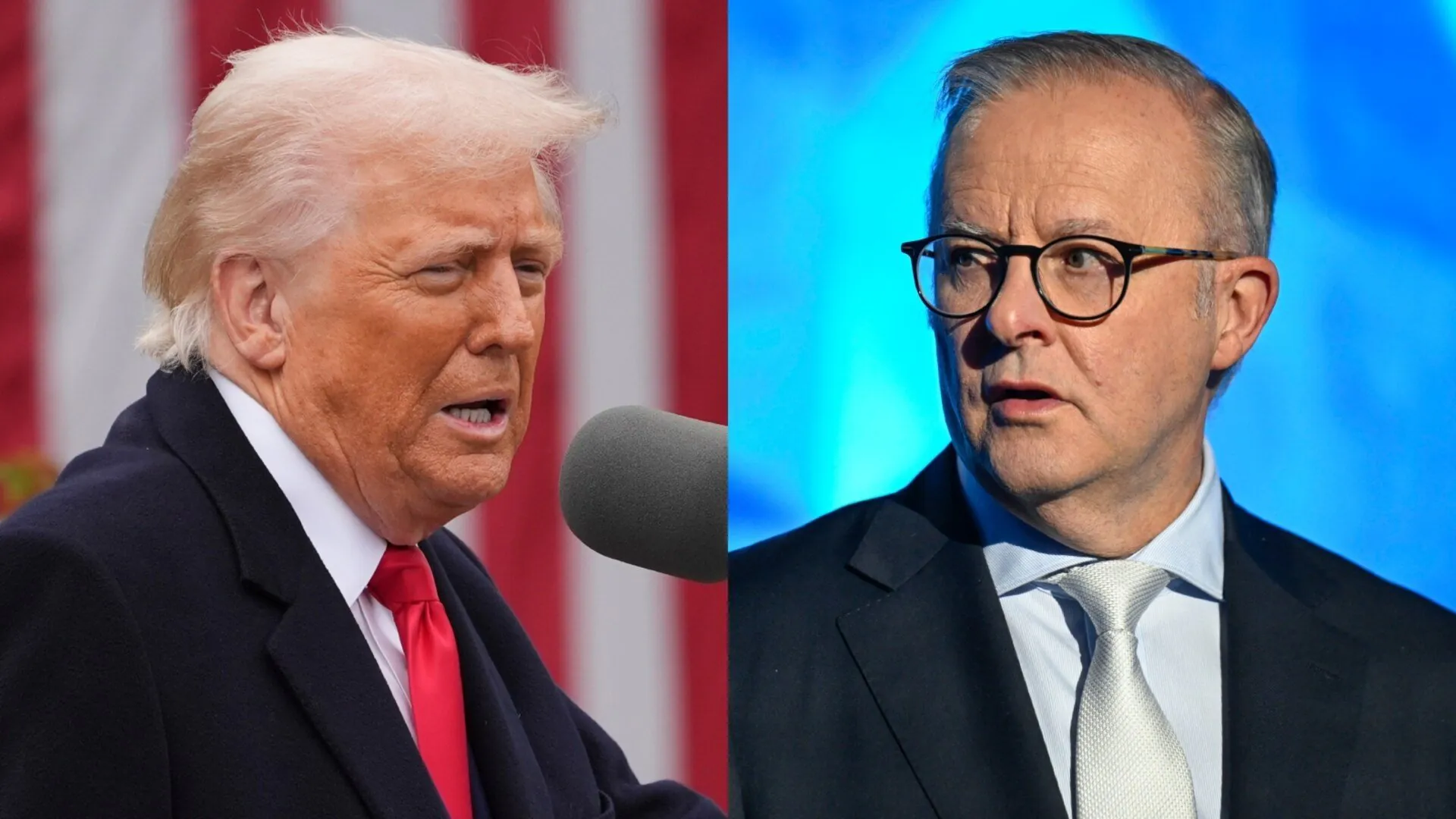
The Australian embassy in Washington has lodged a formal submission with the US Trade Representative (USTR), arguing that the proposed tariff would be unfair and discriminatory.
The submission points out that the US’s own annual Trafficking in Persons Report has consistently given Australia the best possible rating for its efforts to prevent forced labour.
The US, however, is undeterred, with the USTR claiming that the international community’s failure to take stronger action against forced labour has created a “dynamic where American workers are forced to compete globally on an unlevel playing field”.
But Australia argues that the proposed tariff is a thinly veiled attempt by the Trump administration to increase its power over other countries, following a Supreme Court ruling that struck down a previous 10% tariff in February.
The proposed tariff would have significant economic and social consequences for Australia, with many businesses likely to be hit hard. Australian business leaders have urged the US to exclude five categories of imports from the tariff, including products designed to help people with disabilities.
The Business Council of Australia has also submitted a separate objection to the tariff, arguing that it would be unfair and would have a disproportionate impact on certain industries.
Analysis: What This Means for AustraliaThe proposed tariff is a clear example of the Trump administration’s willingness to use trade as a tool of foreign policy, and it has significant implications for Australia’s national security and economic interests.
If the tariff is implemented, it could lead to a significant increase in the cost of imports, which could have a flow-on effect on the broader economy.
It could also damage Australia’s reputation as a reliable and trustworthy trading partner, which could have long-term consequences for the country’s relationships with other nations.
Law enforcement insiders warn that the tariff could also have unintended consequences, such as driving up the cost of goods and potentially leading to an increase in smuggling and other forms of illicit trade.
Industry observers believe that the tariff could also have a disproportionate impact on certain industries, such as the medical device sector, which relies heavily on imports.
Security analysts say that the tariff is a clear example of the increasingly complex and unpredictable nature of global trade, and that Australia needs to be prepared to adapt to a rapidly changing environment.
They argue that the country needs to diversify its trade relationships and reduce its reliance on any one market, in order to mitigate the risks associated with trade disputes.
In the short term, the proposed tariff is likely to create uncertainty and volatility in the market, which could have significant consequences for Australian businesses and consumers.
It remains to be seen whether the US will ultimately implement the tariff, but one thing is clear: the stakes are high, and Australia needs to be prepared to fight to protect its interests.
Trade WarsAustralian EconomyUnited States Trade Representative
Australian Bureau of Statistics
The Trump administration’s latest salvo in its trade war with Australia has left Canberra reeling, with a proposed 12.5% tariff on imports that could have far-reaching consequences for Australian businesses and consumers. The move, which the US claims is in response to issues with forced labour in supply chains, has been met with fierce resistance from Australia, which argues there is “no credible evidentiary basis” for the tariff.
At the heart of the dispute is a longstanding free trade agreement between the two countries, which the US is accused of trying to breach. The Australian embassy in Washington has lodged a formal submission with the US Trade Representative (USTR), arguing that the proposed tariff would be unfair and discriminatory. The submission points out that the US’s own annual Trafficking in Persons Report has consistently given Australia the best possible rating for its efforts to prevent forced labour.
The US, however, is undeterred, with the USTR claiming that the international community’s failure to take stronger action against forced labour has created a “dynamic where American workers are forced to compete globally on an unlevel playing field”. But Australia argues that the proposed tariff is a thinly veiled attempt by the Trump administration to increase its power over other countries, following a Supreme Court ruling that struck down a previous 10% tariff in February.
The proposed tariff would have significant economic and social consequences for Australia, with many businesses likely to be hit hard. Australian business leaders have urged the US to exclude five categories of imports from the tariff, including products designed to help people with disabilities. The Business Council of Australia has also submitted a separate objection to the tariff, arguing that it would be unfair and would have a disproportionate impact on certain industries.
The proposed tariff is a clear example of the Trump administration’s willingness to use trade as a tool of foreign policy, and it has significant implications for Australia’s national security and economic interests. If the tariff is implemented, it could lead to a significant increase in the cost of imports, which could have a flow-on effect on the broader economy. It could also damage Australia’s reputation as a reliable and trustworthy trading partner, which could have long-term consequences for the country’s relationships with other nations.
Law enforcement insiders warn that the tariff could also have unintended consequences, such as driving up the cost of goods and potentially leading to an increase in smuggling and other forms of illicit trade. Industry observers believe that the tariff could also have a disproportionate impact on certain industries, such as the medical device sector, which relies heavily on imports.
Security analysts say that the tariff is a clear example of the increasingly complex and unpredictable nature of global trade, and that Australia needs to be prepared to adapt to a rapidly changing environment. They argue that the country needs to diversify its trade relationships and reduce its reliance on any one market, in order to mitigate the risks associated with trade disputes.
In the short term, the proposed tariff is likely to create uncertainty and volatility in the market, which could have significant consequences for Australian businesses and consumers. It remains to be seen whether the US will ultimately implement the tariff, but one thing is clear: the stakes are high, and Australia needs to be prepared to fight to protect its interests.
United States Trade Representative