
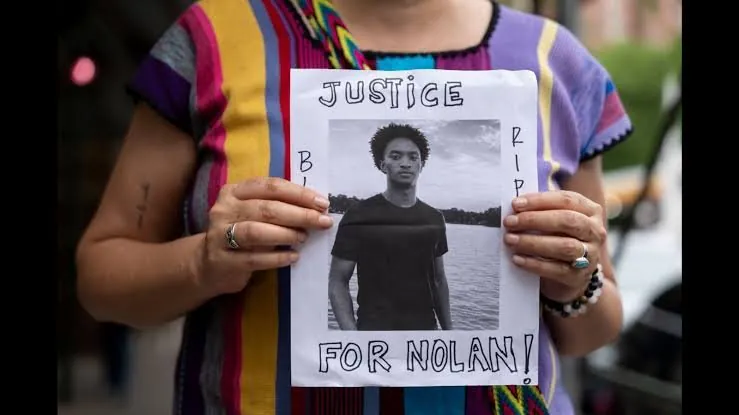
Mysterious Death of Black Teenager Nolan Wells on Mississippi Island Sparks Racial Tensions and Demands for Justice
- A 18-year-old Black teenager’s death on a remote island in Mississippi has sparked widespread outrage and demands for justice, with many questioning whether his race played a role in his tragic demise.
- Nolan Wells was found dead on Horn Island two days after he disappeared during a July 4 celebration with friends, sparking a flurry of speculation and conspiracy theories on social media.
- Civil rights leaders, including Reverend Al Sharpton, have weighed in on the case, accusing Mississippi authorities of “being derelict in their duties” and calling for a thorough investigation into the circumstances surrounding Wells’ death.
- A $178,548 reward has been offered for information leading to a conviction, with high-profile Black celebrities such as Dave Chappell, Colin Kaepernick, and Tina Knowles throwing their support behind the family’s quest for answers.
The death of Nolan Wells has sent shockwaves through the small bayside town of Ocean Springs, Mississippi, and beyond, with many in the Black community expressing outrage and frustration over the handling of the investigation.
The 18-year-old’s body was found on Horn Island, a remote and largely unserviced island off the Mississippi coast, two days after he disappeared during a July 4 celebration with friends.
Wells, who had aspirations of becoming an elite college football player, was seen smiling and laughing with his friends in photos taken on the day of the party.
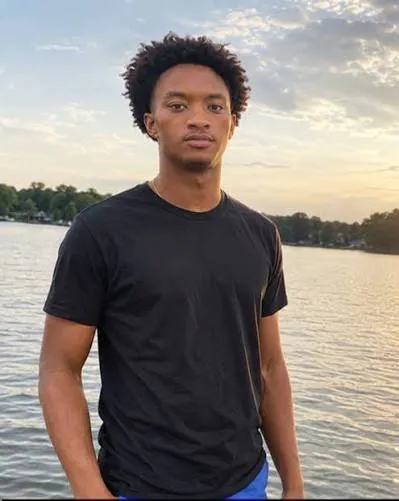
However, when it was time to leave, Wells chose to stay behind, reportedly to spend time with a girl he had met on the island. His friends returned home safely, but Wells was never seen alive again.
The circumstances surrounding Wells’ death are shrouded in mystery, with many questions still unanswered.
The local sheriff’s office initially stated that foul play was not suspected, but civil rights leaders and the family’s lawyer, Ben Crump, have pushed for greater transparency and a more thorough investigation.
The preliminary results of an independent autopsy, which were read out at the NAACP’s annual convention in Chicago, were inconclusive, with the forensic pathologist unable to determine the cause of the red discoloration on the back of Wells’ head.
The pathologist also noted that it was not possible to determine if water entered Wells’ lungs due to the decomposition of the body.
The case has sparked widespread outrage and demands for justice, with many in the Black community expressing concerns about racial bias and a lack of transparency in the investigation.
Civil rights leaders, including Reverend Al Sharpton, have accused Mississippi authorities of “being derelict in their duties” and called for a thorough investigation into the circumstances surrounding Wells’ death.
Analysis: What This Means for AustraliaWhile the death of Nolan Wells may seem like a tragic but isolated incident, it has significant implications for Australia.
The case highlights the ongoing issues of racial tension and bias in the United States, which can have a ripple effect on communities around the world.
For Australia, which has its own history of racial tensions and injustices, the case serves as a stark reminder of the need for ongoing vigilance and action to address these issues.
The case also highlights the importance of transparency and accountability in investigations, particularly when it comes to the death of young people from marginalized communities.
In Australia, there have been numerous cases of Indigenous Australians dying in custody or under suspicious circumstances, with many of these cases remaining unsolved or uninvestigated.
The death of Nolan Wells serves as a reminder of the need for Australia to learn from the experiences of other countries and to take proactive steps to address issues of racial bias and injustice.
This includes increasing transparency and accountability in investigations, providing greater support to marginalized communities, and working to address the systemic issues that contribute to these tragedies.
As the investigation into Wells’ death continues, it is clear that the case will have far-reaching implications for communities around the world.
For Australia, the case serves as a reminder of the need for ongoing action to address issues of racial bias and injustice, and to ensure that the deaths of young people from marginalized communities are thoroughly investigated and addressed.
Security analysts say that the case highlights the need for greater transparency and accountability in investigations, particularly when it comes to the death of young people from marginalized communities.
Law enforcement insiders warn that the case has the potential to spark widespread unrest and protests, particularly if the investigation is seen as inadequate or biased.
Industry observers believe that the case will have significant implications for Australia’s own racial tensions and injustices, and that it serves as a reminder of the need for ongoing action to address these issues.
The death of Nolan Wells has sent shockwaves through the small bayside town of Ocean Springs, Mississippi, and beyond, with many in the Black community expressing outrage and frustration over the handling of the investigation. The 18-year-old’s body was found on Horn Island, a remote and largely unserviced island off the Mississippi coast, two days after he disappeared during a July 4 celebration with friends.
Wells, who had aspirations of becoming an elite college football player, was seen smiling and laughing with his friends in photos taken on the day of the party. However, when it was time to leave, Wells chose to stay behind, reportedly to spend time with a girl he had met on the island. His friends returned home safely, but Wells was never seen alive again.
The circumstances surrounding Wells’ death are shrouded in mystery, with many questions still unanswered. The local sheriff’s office initially stated that foul play was not suspected, but civil rights leaders and the family’s lawyer, Ben Crump, have pushed for greater transparency and a more thorough investigation.
The preliminary results of an independent autopsy, which were read out at the NAACP’s annual convention in Chicago, were inconclusive, with the forensic pathologist unable to determine the cause of the red discoloration on the back of Wells’ head. The pathologist also noted that it was not possible to determine if water entered Wells’ lungs due to the decomposition of the body.
The case has sparked widespread outrage and demands for justice, with many in the Black community expressing concerns about racial bias and a lack of transparency in the investigation. Civil rights leaders, including Reverend Al Sharpton, have accused Mississippi authorities of “being derelict in their duties” and called for a thorough investigation into the circumstances surrounding Wells’ death.
While the death of Nolan Wells may seem like a tragic but isolated incident, it has significant implications for Australia. The case highlights the ongoing issues of racial tension and bias in the United States, which can have a ripple effect on communities around the world. For Australia, which has its own history of racial tensions and injustices, the case serves as a stark reminder of the need for ongoing vigilance and action to address these issues.
The case also highlights the importance of transparency and accountability in investigations, particularly when it comes to the death of young people from marginalized communities. In Australia, there have been numerous cases of Indigenous Australians dying in custody or under suspicious circumstances, with many of these cases remaining unsolved or uninvestigated.
The death of Nolan Wells serves as a reminder of the need for Australia to learn from the experiences of other countries and to take proactive steps to address issues of racial bias and injustice. This includes increasing transparency and accountability in investigations, providing greater support to marginalized communities, and working to address the systemic issues that contribute to these tragedies.
As the investigation into Wells’ death continues, it is clear that the case will have far-reaching implications for communities around the world. For Australia, the case serves as a reminder of the need for ongoing action to address issues of racial bias and injustice, and to ensure that the deaths of young people from marginalized communities are thoroughly investigated and addressed.
Security analysts say that the case highlights the need for greater transparency and accountability in investigations, particularly when it comes to the death of young people from marginalized communities. Law enforcement insiders warn that the case has the potential to spark widespread unrest and protests, particularly if the investigation is seen as inadequate or biased.
Industry observers believe that the case will have significant implications for Australia’s own racial tensions and injustices, and that it serves as a reminder of the need for ongoing action to address these issues.