‘Fake Doctors’ Charged with Trafficking Steroids and Assault After ‘Botched Treatments’ on Vulnerable Patient in Melbourne’s Bayside
- A man and woman, posing as doctors, allegedly administered injections to a patient with a long-term illness, charging over $20,000 for ‘treatments’ that contained vitamins and protein powder.
- The pair were found with a stash of cocaine and large quantities of prescription medicines, including testosterone and human growth hormones, during a police raid.
- They face charges of trafficking steroids, possessing drugs, and common assault, with further charges expected from the medical regulator.
- The case raises concerns about the vulnerability of patients seeking alternative treatments and the lack of regulation in the health industry.
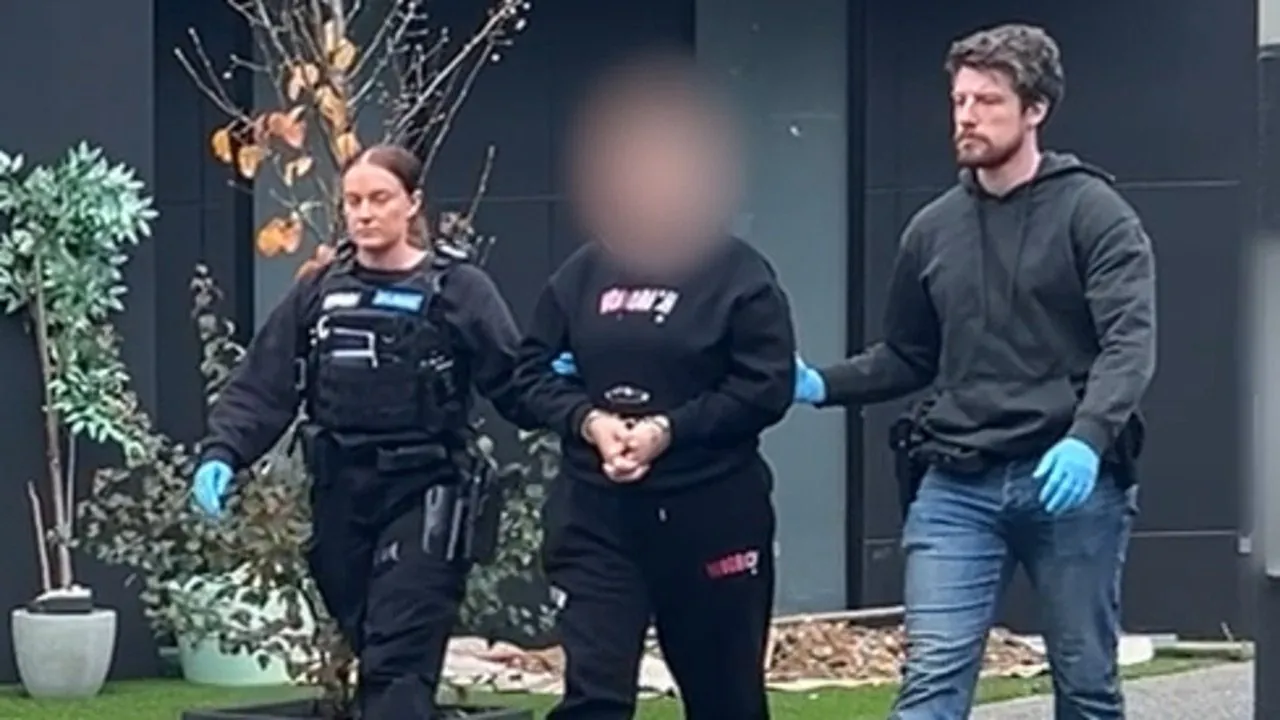
A shocking case of deception and exploitation has come to light in Melbourne’s Bayside, where a man and woman have been charged with trafficking steroids and assault after allegedly posing as doctors and administering ‘botched treatments’ to a patient with a long-term illness.
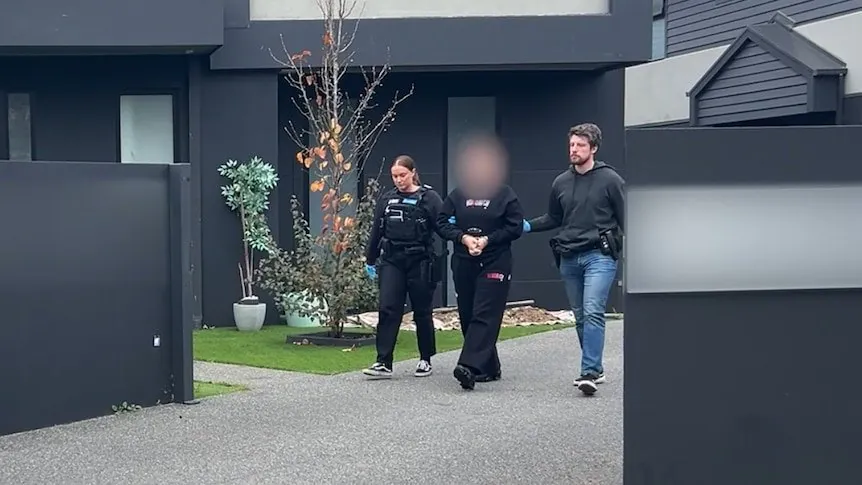
The pair, a 32-year-old woman and 39-year-old man from Brighton East, were arrested last week and granted bail, with their case set to be heard in court in October.
According to police, the pair had been operating in the Brighton East area, claiming to be medical practitioners and charging patients for their services.
One patient, who suffers from a long-term illness, paid over $20,000 for a series of treatments that allegedly included injections containing vitamins and protein powder.
However, police believe that other treatments administered by the pair contained more sinister substances, including steroids and human growth hormones.
The investigation began last month, after Victoria Police received reports about the pair’s activities.
A search of their premises on Carr Street in Brighton East and Caulfield Boulevard in Caulfield North uncovered a stash of cocaine, as well as significant quantities of prescription medicines, including testosterone, synthetic anabolic steroids, painkillers, and human growth hormones.
The pair were subsequently charged with two counts of trafficking steroids, possessing cocaine, a drug of dependence, and a schedule 4 poison.
The case highlights the vulnerability of patients seeking alternative treatments and the lack of regulation in the health industry.
Security analysts say that the ease with which the pair were able to pose as doctors and administer treatments raises serious concerns about the safety of patients.
“This case is a wake-up call for the medical regulator and law enforcement agencies to take action against these types of scams,” said one analyst.
“Patients need to be protected from predators who prey on their desperation and trust.”
Law enforcement insiders warn that this case is likely the tip of the iceberg, with many more cases of fake medical practitioners operating in the shadows.
“We’re seeing an increasing trend of people posing as health professionals and selling fake treatments,” said one insider. “It’s a booming industry, and we need to crack down on it before more people get hurt.”
Analysis: What This Means for Australia
The case has significant implications for Australia’s healthcare system and the regulation of medical practitioners. Industry observers believe that the case highlights the need for stricter regulations and more robust checks on medical practitioners.
“This case shows that the current system is not doing enough to protect patients,” said one observer. “We need to have more stringent regulations in place to prevent these types of scams from happening in the future.”
The case also raises concerns about the economic and social consequences of these types of scams. Patients who fall victim to these scams can suffer serious financial and emotional harm, and the broader community can lose trust in the healthcare system.
“We need to take action to prevent these types of scams and protect the most vulnerable members of our society,” said one commentator.