
Darwin Road Horror: Man Caught Driving At Breakneck Speed With Blood-Alcohol Level More Than Three Times The Limit
- A Northern Territory man has been charged with a string of traffic offences after allegedly driving at 182km/h in an 80km/h zone
- He was found to have a blood-alcohol reading of 0.153, more than three times the legal limit for unrestricted drivers
- The man also tested positive for two prohibited drugs, sparking concerns about the dangers of driving under the influence
- The incident has prompted warnings from police about the risks of reckless driving and the importance of road safety in the Northern Territory
The streets of Darwin were left reeling after a shocking incident involving a man who was caught driving at a staggering 182km/h in an 80km/h zone.
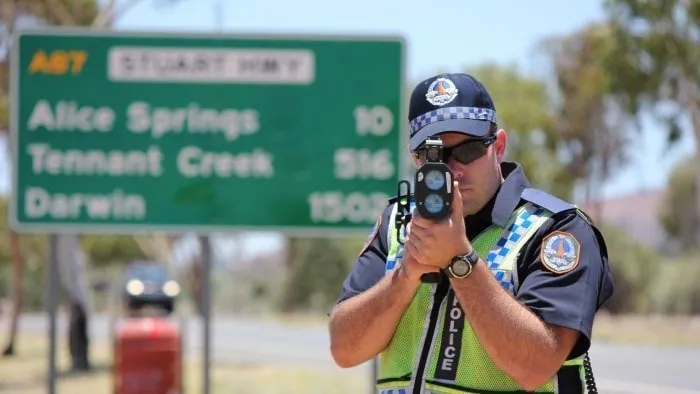
The Northern Territory Police spotted the man behind the wheel on Elrundie Avenue in Moulden, outside Darwin, shortly after 8pm on Saturday. What unfolded next was a disturbing sequence of events that has sparked widespread concern about road safety in the region.
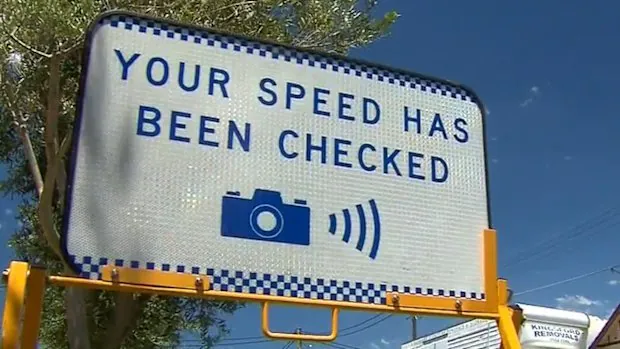
According to an NT Police spokesperson, the man was taken to the Palmerston police station where he underwent a series of tests. The results were alarming, with the man blowing more than three times the legal blood-alcohol limit for unrestricted drivers.
To make matters worse, he also tested positive for two prohibited drugs.
The man has since been charged with driving at a dangerous speed, high-range drink-driving, and drug-driving, and has been bailed to face the Darwin Local Court on October 20.
As the details of the incident continue to emerge, the community is left grappling with the implications of such reckless behaviour.
The fact that the man was driving at such an excessive speed, combined with his high blood-alcohol reading and positive test for prohibited drugs, is a stark reminder of the dangers that lurk on our roads.
It is a sobering thought to consider the potential consequences of such actions, and the devastating impact that they could have on innocent lives.
To understand the context of this incident, it is essential to delve into the broader issues surrounding road safety in the Northern Territory.
The region has a reputation for having some of the most hazardous roads in the country, with a disproportionate number of fatalities and accidents occurring on its highways.
Factors such as the vast distances, remote locations, and high speeds all contribute to the risks faced by drivers and passengers alike. Furthermore, the prevalence of drink-driving and drug-driving in the region is a significant concern, with many incidents going unreported or undetected.
Analysis: What This Means for Australia is that the issue of road safety is far more complex and multifaceted than initially meets the eye.
The incident in Darwin serves as a stark reminder of the need for vigilance and enforcement on our roads.
Security analysts say that the combination of excessive speed, drink-driving, and drug-driving is a toxic mix that poses a significant threat to public safety.
Law enforcement insiders warn that the lack of consideration for the safety of others and themselves is a disturbing trend that needs to be addressed through education, awareness, and strict enforcement of traffic laws.
Industry observers believe that the incident highlights the importance of investing in road safety initiatives and programmes that target high-risk behaviours such as drink-driving and drug-driving.
They argue that a comprehensive approach is needed, one that involves not only enforcement but also education, awareness, and community engagement. By working together, we can reduce the number of accidents and fatalities on our roads and create a safer, more responsible driving culture.
As the NT Police spokesperson noted, “Driving at such an excessive speed is reckless and shows a clear lack of consideration for the safety of others and themselves which is put at risk by this type of behaviour.” The onus is now on the community to take heed of this warning and to take action to prevent such incidents from occurring in the future.
Experts point to the need for increased funding for road safety initiatives, including education programmes, awareness campaigns, and enforcement strategies.
They also stress the importance of addressing the root causes of reckless behaviour, such as drink-driving and drug-driving, through targeted interventions and support services.
By taking a proactive approach to road safety, we can reduce the risks associated with driving and create a safer, more responsible driving culture.
As we move forward, it is essential to remember that road safety is a shared responsibility, one that requires the collective efforts of drivers, passengers, and the broader community.
In conclusion, the incident in Darwin serves as a stark reminder of the dangers that lurk on our roads and the importance of road safety. As we reflect on the consequences of reckless behaviour, we must also consider the broader implications for Australia.
The need for vigilance, enforcement, and education is clear, and it is essential that we take a proactive approach to addressing the complex issues surrounding road safety.
By working together, we can create a safer, more responsible driving culture and reduce the number of accidents and fatalities on our roads.
The road safety initiatives and Australian Transport Safety Bureau guidelines are crucial in this regard, and it is essential that we follow them to ensure a safe and secure driving environment for all.