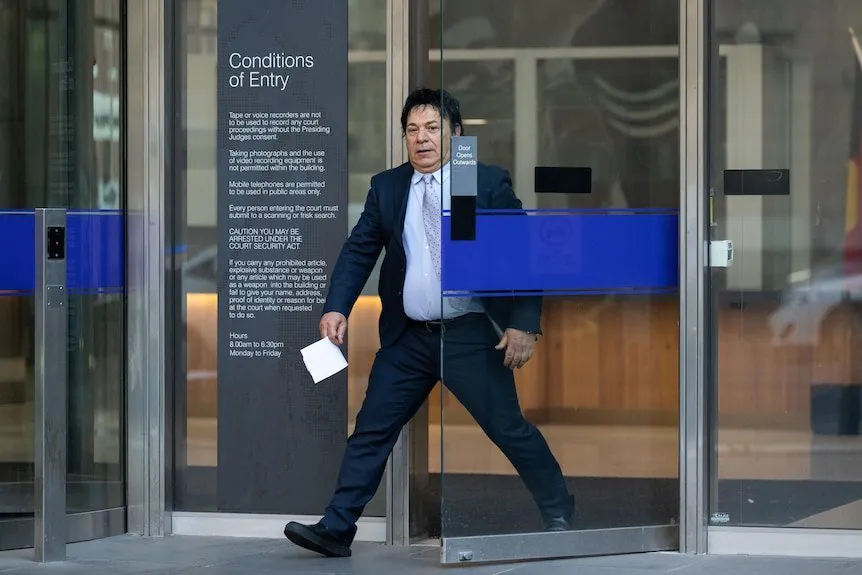
Suppression Orders Under Fire: How Victoria’s ‘Blighted’ System Allowed a Convicted Rapist to Remain Anonymous for Three Years
- A high-profile celebrity agent, Ralph Carr, was able to keep his name out of the press despite being accused and later convicted of rape, sparking debate over Victoria’s suppression order system.
- The case has raised questions about whether the current system benefits high-profile applicants who can afford top lawyers and psychiatric care, while others are left without the same protections.
- Media companies are calling for changes to Victoria’s Open Courts Act, arguing that the law is being used to protect the accused at the expense of open justice and the public’s right to know.
- The issue has sparked a heated debate, with some arguing that suppression orders are essential to protect witnesses, victims, and children, while others claim that they are being used to shield the powerful and well-connected from scrutiny.
The decision to lift the suppression order on Ralph Carr’s name was a dramatic turn of events in a case that has highlighted the flaws in Victoria’s system.
Carr, a high-profile celebrity agent, had been able to keep his name out of the press despite being accused and later convicted of rape, thanks to a suppression order that was granted on the grounds of protecting his safety.
But when Carr’s legal team abandoned their application to extend the suppression order, the media was finally able to report on the case, and Carr’s name was splashed across the front pages of newspapers and websites.
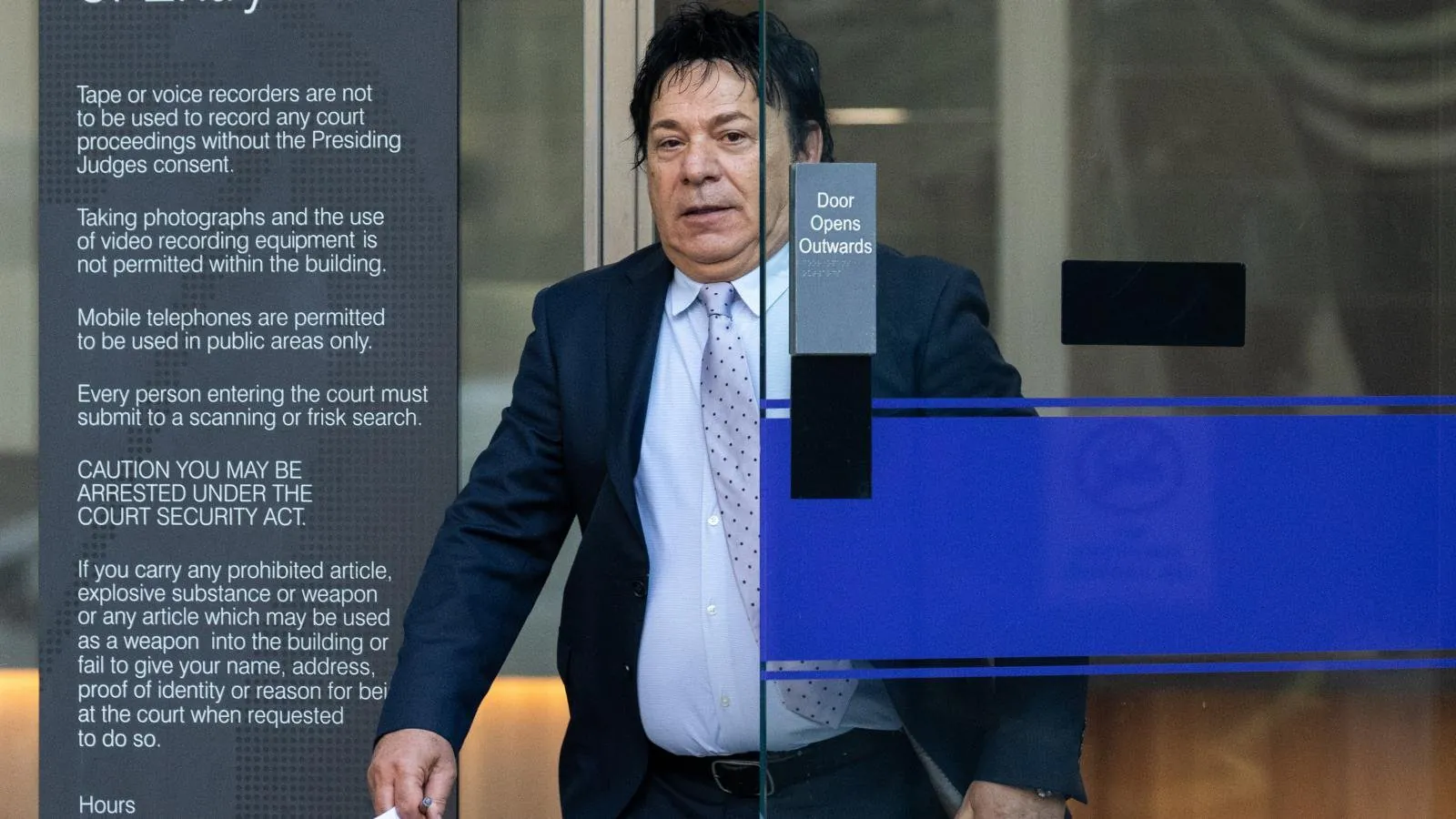
The decision was hailed as a victory for open justice, but it has also raised questions about the system that allowed Carr to remain anonymous for so long.
According to Dr Jacqueline Rakov, Carr’s psychiatrist, he had maintained his innocence throughout the trial and had even joked about being put on the front page if he was found guilty.



But despite this bravado, Carr’s defence team had argued that he was at risk of self-harm and that his safety would be compromised if his name was made public.
The suppression order was granted under Section 18(1)(c) of Victoria’s Open Courts Act, which restricts reporting “to protect the safety of any person”. But critics argue that this law is being used too frequently to protect the accused, rather than the victims or witnesses.
The case has sparked a heated debate about the use of suppression orders in Victoria, with some arguing that they are essential to protect vulnerable individuals, while others claim that they are being used to shield the powerful and well-connected from scrutiny.
Media companies, including the ABC, have been calling for changes to the law, arguing that it is being used to undermine open justice and the public’s right to know.
They point to cases like Tom Silvagni, the son of an AFL great, who was able to keep his name out of the press despite being accused and later convicted of rape.
But others argue that suppression orders are necessary to protect witnesses, victims, and children, and that the current system is working as intended.
Victoria’s Director of Public Prosecutions, Brendan Kissane KC, has said that his office is “not of the view that the number of suppression orders being issued by Victorian courts is inappropriate or excessive”.
However, the case of Ralph Carr has raised questions about whether the current system is fair and equitable.
Carr’s ability to afford top lawyers and psychiatric care has been cited as an example of how the system can be manipulated by those with the means to do so.
As the debate over suppression orders continues, it is clear that the system is in need of reform.
The question is, how far will lawmakers be willing to go to address the concerns of the media and the public, while also protecting the rights of the accused and the vulnerable?
Analysis: What This Means for Australia
The use of suppression orders in Victoria has significant implications for Australia’s justice system and the public’s right to know. The case of Ralph Carr has highlighted the flaws in the system and the need for reform.
The issue is not just about the use of suppression orders, but also about the broader implications for open justice and the public’s trust in the justice system.
If the public is not able to access information about court cases, it can undermine the integrity of the system and erode trust in the institutions that are supposed to uphold justice.
Furthermore, the use of suppression orders can have significant consequences for the victims of crime, who may feel that their voices are not being heard. The media plays a crucial role in holding those in power to account and ensuring that justice is served.
In order to address these concerns, lawmakers must be willing to reform the system and ensure that suppression orders are only used in cases where it is absolutely necessary to protect the safety of individuals.
This will require a careful balancing of the rights of the accused with the public’s right to know.
As the debate over suppression orders continues, it is clear that the system is in need of reform.
The question is, how far will lawmakers be willing to go to address the concerns of the media and the public, while also protecting the rights of the accused and the vulnerable?
Security analysts say that the use of suppression orders can have significant implications for national security, as it can allow individuals to avoid scrutiny and potentially undermine the integrity of the justice system.
Law enforcement insiders warn that the current system can be manipulated by those with the means to do so, and that it can undermine the public’s trust in the justice system.
Industry observers believe that the use of suppression orders can have significant consequences for the media and the public’s right to know, and that it can undermine the integrity of the justice system.