Exclusive: Leaked Emails Reveal Channel 7’s Botched Plan to Send Pauline Hanson into War-Torn Syria
- Secret documents expose a reckless plan to film Senator Hanson in a “high-risk” refugee camp in Syria, home to ISIS brides and families of suspected terrorists.
- The 23-page risk assessment warned of “High & Extreme Risk” of detention, propaganda, and targeting by extremist actors, with limited medical support and extraction options.
- One Nation leader Pauline Hanson claims Channel 7 pulled out of paying for her UK trip, forcing her to cover costs, while the network insists it only paid for incidentals.
- The controversy has sparked a bitter feud between One Nation and Channel 7, with Hanson accusing the network of being “shady from day one.”
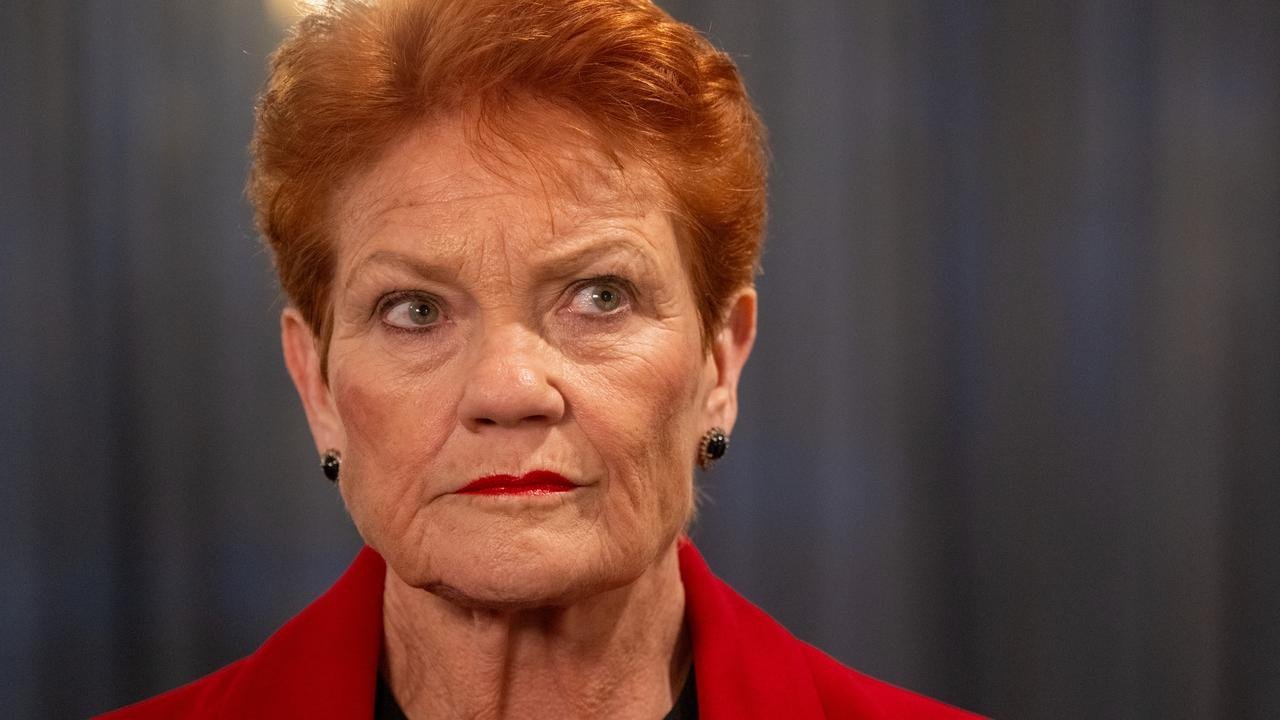
The leaked emails have blown the lid off a sensational plan to send One Nation leader Pauline Hanson into the heart of war-torn Syria, sparking a bitter feud between the senator and Channel 7.
The secret documents, obtained by news.com.au, reveal a 23-page risk assessment that warns of “High & Extreme Risk” of detention, propaganda, and targeting by extremist actors.
The plan, hatched by Channel 7’s current affairs program Spotlight, aimed to film Senator Hanson at the Al-Roj refugee camp in northeastern Syria, a tightly controlled detention facility holding roughly 2300 foreign family members of suspected Islamic State (ISIL/ISIS) fighters.
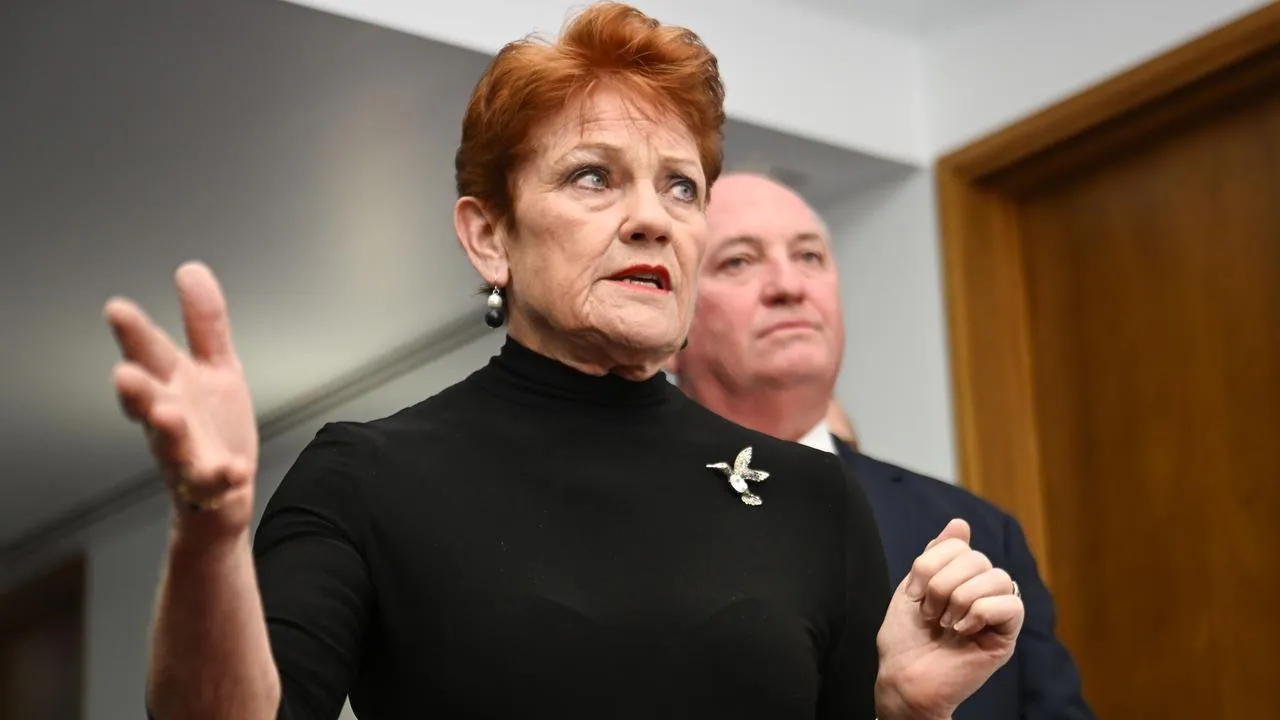
The camp is located near the Iraqi border, an area notorious for its high-risk environment and limited external support.
The risk assessment, prepared by GM Risk Group, outlines the “deployment” plan, which involved entry into Syria via Kurdish-controlled border crossing points, movement to and operation within SDF-controlled areas, and access to detention facilities and IDP camps housing ISIS-affiliated individuals.
The document notes that the presence of an Australian Senator introduces a heightened political and security dimension, increasing exposure to potential detention or administrative interference, propaganda or political exploitation, and targeting by extremist actors.
Despite the risks, the document suggests that operations will be conducted in a non-permissive, high-risk environment, with limited external support and constrained extraction options.
The presence of an Australian Senator materially elevates the likelihood of scrutiny, restriction of movement, or detention under local authority processes.
The plan was ultimately scrapped, with Senator Hanson refusing to travel to the refugee camp.
However, the controversy has sparked a bitter feud between One Nation and Channel 7, with Hanson accusing the network of being “shady from day one.” One Nation has confirmed that it paid for Senator Hanson’s travel costs, including $900-a-night hotel rooms in London, after Channel 7 pulled out of paying for the trip.
Analysis: What This Means for Australia
The botched plan to send Senator Hanson into Syria raises serious questions about the security and safety of Australian politicians and journalists operating in high-risk environments.
The incident highlights the need for robust risk assessments and contingency planning to mitigate the risks associated with traveling to conflict zones.
Security analysts say that the plan was reckless and ill-conceived, given the high-risk environment and limited external support.
“The presence of an Australian Senator in a conflict zone like Syria is a serious security risk, and the plan to send Senator Hanson to the Al-Roj refugee camp was a recipe for disaster,” said one expert.
The incident also raises concerns about the relationship between politicians and the media, with Senator Hanson accusing Channel 7 of being “shady from day one.” The controversy has sparked a bitter feud between One Nation and Channel 7, with both sides trading blows over who was responsible for the botched plan.
Industry observers believe that the incident will have serious consequences for Channel 7, with the network facing potential reputational damage and financial losses.
“The botched plan to send Senator Hanson to Syria is a major embarrassment for Channel 7, and it will take a long time for the network to recover from this debacle,” said one insider.
As the controversy continues to unfold, one thing is clear: the botched plan to send Senator Hanson to Syria is a stark reminder of the risks and challenges associated with operating in high-risk environments, and the need for robust risk assessments and contingency planning to mitigate those risks.