
One Nation Senators Spark Fury as They Turn Their Backs on Indigenous Acknowledgement of Country in Shocking Display of Defiance
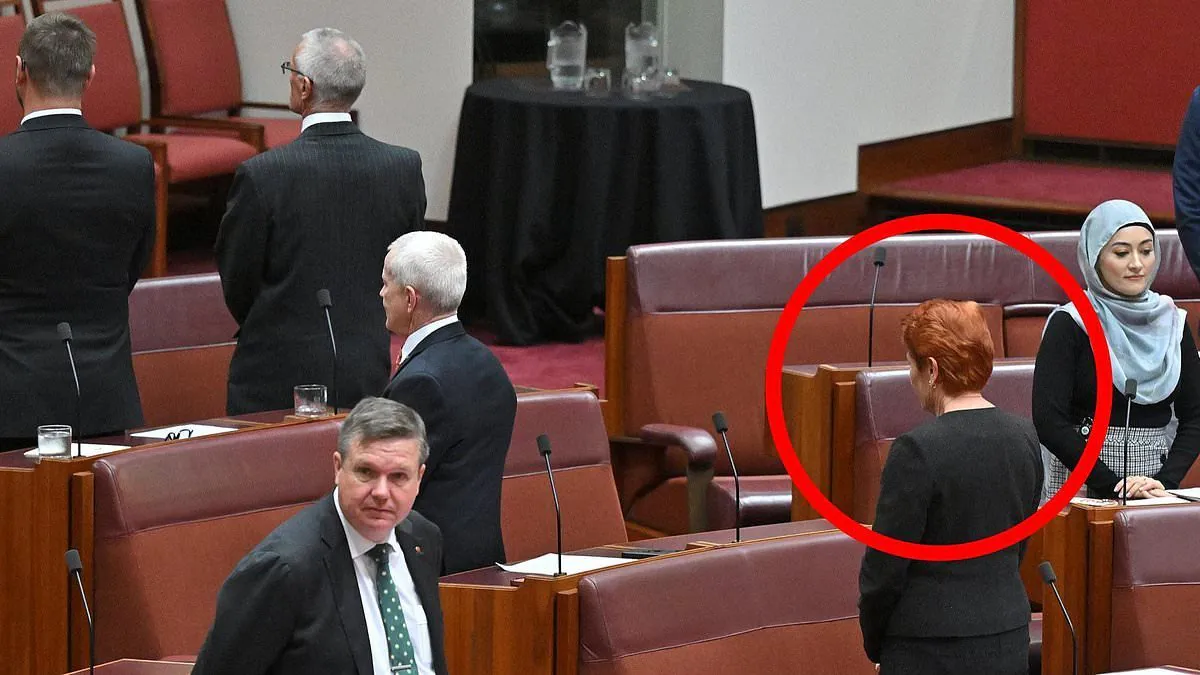
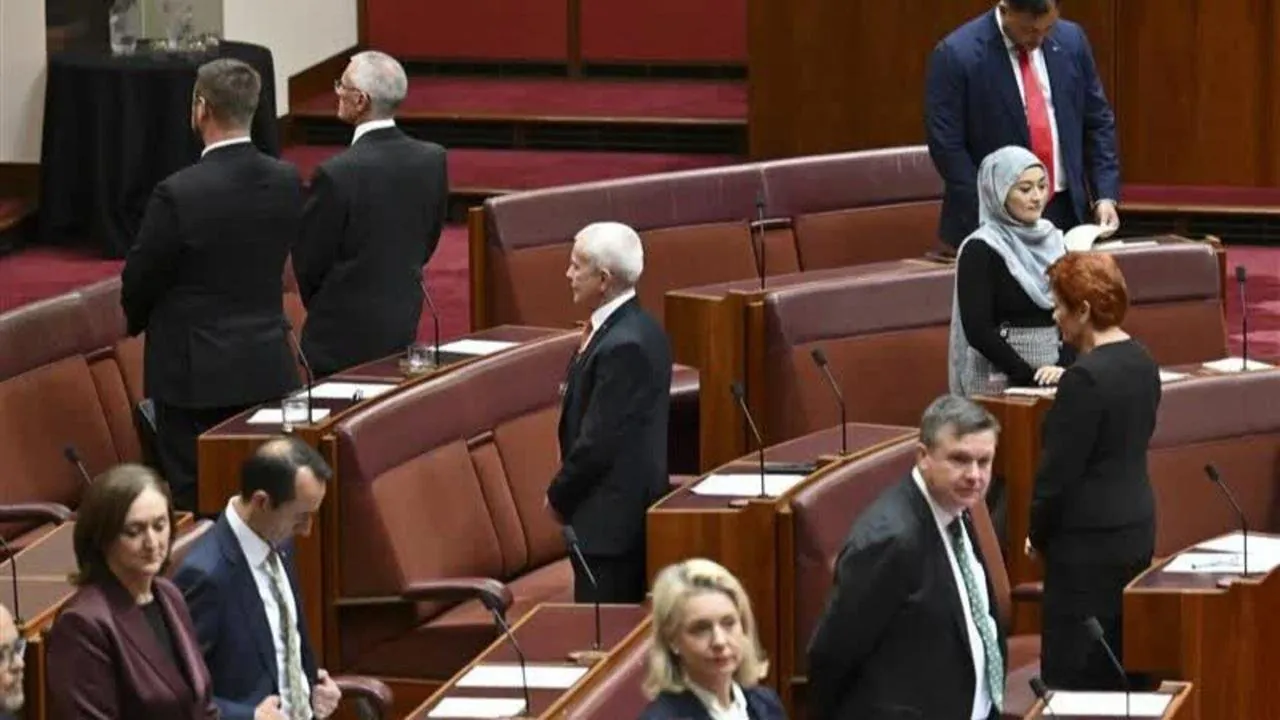
- Three One Nation senators, Malcolm Roberts, Sean Bell, and Tyron Whitten, turn their backs on the Acknowledgement of Country in the Senate chamber
- The move is seen as a deliberate attempt to disrespect First Nations Australians and spark division
- One Nation leader Pauline Hanson has repeatedly defended her opposition to Acknowledgements of Country and Welcome to Country ceremonies
- The incident has sparked widespread condemnation, with Minister for Indigenous Australians Malarndirri McCarthy describing it as an ‘incredibly childish stunt’
The opening day of the spring parliamentary sittings was marred by controversy as three One Nation senators turned their backs on the Acknowledgement of Country in a shocking display of defiance.
The move, which was seen as a deliberate attempt to disrespect First Nations Australians, has sparked widespread condemnation and raised questions about the party’s commitment to reconciliation.
The Acknowledgement of Country is a long-standing tradition in the Senate, and is seen as an important way of acknowledging the traditional owners of the land and promoting reconciliation.
However, One Nation leader Pauline Hanson has repeatedly expressed her opposition to the practice, claiming that it is divisive and tokenistic. Hanson has also stated that she would scrap Welcome to Country ceremonies in schools, government departments, and at official events.
The incident has sparked widespread condemnation, with Minister for Indigenous Australians Malarndirri McCarthy describing it as an ‘incredibly childish stunt’. McCarthy accused the One Nation senators of deliberately disrespecting First Nations Australians and urged them to conduct debates respectfully, regardless of political differences.
However, Hanson has defended her party’s actions, claiming that many Australians have grown frustrated with the practice. ‘They’re tired of being made to feel like outsiders,’ she said.
‘Tired of tokenistic rituals shoved into every meeting, every ceremony, every public event, while real issues like the cost of living and housing are brushed aside.’ Hanson has also claimed that the Acknowledgement of Country has become a ‘political routine that divides rather than unites’.
Security analysts say that the incident highlights the need for greater cultural sensitivity and understanding in Australian politics. ‘This kind of behaviour is not only disrespectful, but it also undermines the efforts of those who are working towards reconciliation,’ said one analyst.
‘It’s essential that our politicians lead by example and promote a culture of respect and inclusivity.’
Law enforcement insiders warn that the incident could also have serious implications for community cohesion. ‘When politicians engage in this kind of behaviour, it can create a sense of division and mistrust in the community,’ said one insider.
‘It’s essential that we promote a culture of respect and understanding, and that our politicians lead the way.’
Analysis: What This Means for Australia
The incident highlights the ongoing challenges facing Australia in terms of reconciliation and Indigenous recognition. The Acknowledgement of Country is an important step towards reconciliation, and it’s essential that our politicians support and promote this practice.
The fact that three One Nation senators felt comfortable turning their backs on the Acknowledgement of Country suggests that there is still a long way to go in terms of promoting cultural sensitivity and understanding in Australian politics.
Industry observers believe that the incident could also have serious implications for the reputation of the One Nation party.
‘This kind of behaviour is not only damaging to the party’s reputation, but it also undermines the efforts of those who are working towards reconciliation,’ said one observer.
‘It’s essential that the party takes steps to address this issue and promote a culture of respect and inclusivity.’
As the debate over the Acknowledgement of Country continues, it’s essential that we remember the importance of promoting cultural sensitivity and understanding in Australian politics.
The incident highlights the need for greater education and awareness about the importance of reconciliation and Indigenous recognition, and the role that politicians can play in promoting this.