Bird Flu Outbreak: Indigenous Rangers Warn of ‘Ecological Disaster’ as Government Funding Fails to Keep Pace
- Indigenous rangers are sounding the alarm over the devastating impact of H5N1 bird flu on Australia’s vulnerable bird and animal species.
- Despite government assurances, rangers claim they need more funding to monitor and protect habitats, with tens of thousands of migratory birds set to arrive in northern Australia next month.
- The Arafura Swamp Rangers are fighting to remove feral buffalo and invasive weeds, but say they need more resources to bolster ecosystems and prevent a potential ‘ecological disaster’.
- Remote communities are also at risk, with rangers warning of the dangers of handling infected birds and contaminated drinking water.
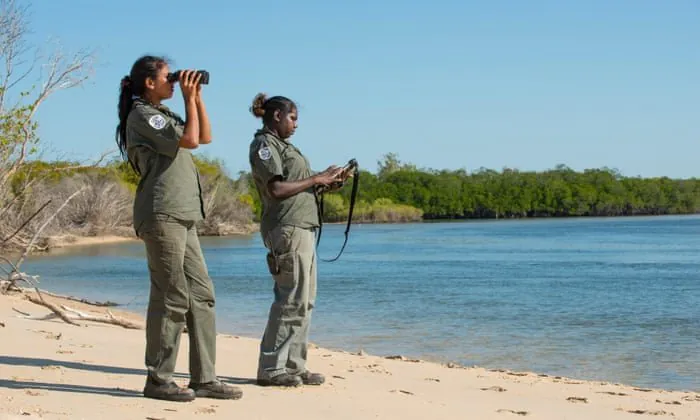
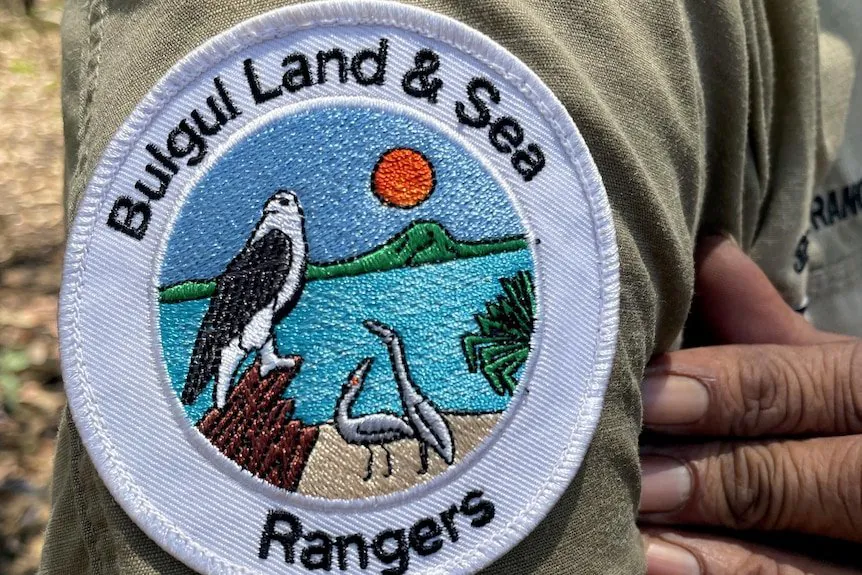
The Arafura Swamp Rangers, who protect a vast and nationally important wetland in the Northern Territory’s remote Arnhem Land, are dreading the arrival of H5N1 bird flu.
Ranger coordinator Harry Butler says the group is bracing for the worst, despite the flu not yet reaching the NT.
“The Arafura Swamp is a key biodiversity area, supporting around 300,000 waterbirds, including coastal emus, migratory waders, and traditional food sources like magpie geese,” Mr Butler said.
“The H5N1 strain could be the nail in the coffin for these species. It extends beyond birds, too, posing a risk to marine mammals, dolphins, whales, and dugongs.”
The rangers are calling on the federal government to increase funding to help them monitor and protect vulnerable species. While the government claims ranger groups have enough funding until June 2028, the Arafura Swamp Rangers say they need more resources to expand their work.




“We’re not going to be able to stop infections, but with additional funding, we could bolster the ecosystems and give more birds and animals a chance of surviving bird flu,” Mr Butler said.
“We need to get rid of invasive weeds and feral buffalo, which are damaging the wetlands.
We also need to get information out to communities about the threat H5N1 poses, as people are hunting waterfowl in traditional ways, touching birds, and drinking fresh water, which is a huge threat.”
Senior ranger Charlie Ramandjarri echoed these concerns, highlighting the cultural significance of birds in his community. “We have birds connecting to songlines, like brolga, eagles, and seagulls from the salt coastal area.
We’re worried about losing these important birds.”
Australia has already seen significant losses from bird flu, with over 1,000 terns dying in South Australia and thousands of elephant seal pups on Heard Island.
The Arafura Swamp Rangers are worried that bird flu could decimate important bird species, including jabiru storks.
Analysis: What This Means for Australia
The H5N1 bird flu outbreak poses a significant threat to Australia’s unique and vulnerable wildlife. The federal government’s response, while well-intentioned, may not be enough to mitigate the risks.
The lack of dedicated funding for Indigenous ranger groups, who are on the frontlines of this crisis, is a major concern.
Security analysts say that the government’s failure to provide adequate funding could have long-term consequences for Australia’s biodiversity and ecosystem health.
“The government needs to take a more proactive approach to supporting Indigenous ranger groups, who are critical to monitoring and responding to this outbreak,” said one analyst.
Law enforcement insiders warn that the risk of bird flu spreading to remote communities is high, particularly given the cultural significance of hunting and consuming wild birds.
“The government needs to do more to educate communities about the risks and provide support for those affected,” said an insider.
Industry observers believe that the government’s commitment to environmental bird flu responses, including the vaccination of little penguins, is a step in the right direction. However, more needs to be done to support Indigenous ranger groups and remote communities.
Patrick O’Leary from the national ranger advocacy group Country Needs People is calling on the federal government to provide more short and long-term funding.
“The short-term role is to be the eyes and ears on land and sea, while the long-term role is management of biodiversity and natural places.
We need to see signals from the government that they’re working on this now.”
As the situation continues to unfold, one thing is clear: the H5N1 bird flu outbreak poses a significant threat to Australia’s unique and vulnerable wildlife.
The government must take a more proactive approach to supporting Indigenous ranger groups and remote communities to mitigate the risks and prevent a potential ecological disaster.