Australian Taxpayers To Foot The Bill As Controversial ATO Credit Card Ban Is Delayed For Up To A Year Amid Fierce Backlash From Small Businesses
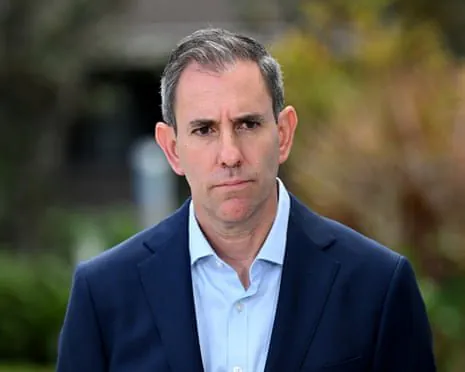
- Treasurer Jim Chalmers announces the government will cover the cost of delaying the ban, which was set to come into effect in December, in a move to give businesses “more time” to adjust
- The Australian Taxation Office had argued that absorbing credit card fees would cost taxpayers around $200 million a year, but the decision to ban credit card payments sparked widespread outrage from small businesses and some government ministers
- The delay is seen as a major win for small businesses, which had warned that the ban would severely impact their cash flow and ability to manage tax bills, with the Australian Chamber of Commerce and Industry welcoming the extension as a “much needed breathing space”
- The government’s decision to intervene comes after the Reserve Bank of Australia’s ban on credit card surcharges, which was hailed as a cost-of-living win for taxpayers, but raised concerns about the impact on small businesses and the economy
The Australian government has stepped in to delay the implementation of the Australian Taxation Office’s (ATO) controversial credit card ban, which was set to come into effect in December, in a move that will see taxpayers foot the bill for up to a year.
The decision, announced by Treasurer Jim Chalmers, is a major win for small businesses, which had fiercely opposed the ban, arguing that it would severely impact their cash flow and ability to manage tax bills.
The ATO had argued that absorbing credit card fees would cost taxpayers around $200 million a year, but the decision to ban credit card payments sparked widespread outrage from small businesses and some government ministers.

The government’s decision to intervene comes after the Reserve Bank of Australia’s ban on credit card surcharges, which was hailed as a cost-of-living win for taxpayers, but raised concerns about the impact on small businesses and the economy.
The ATO had explored options to mitigate the impact, including negotiating with credit card companies to lower fees, but was unsuccessful.




The delay is seen as a significant development in the ongoing debate about the impact of the credit card ban on small businesses and the economy.
The government’s decision to cover the cost of the delay is expected to provide relief to businesses that rely on credit cards to manage their cash flow and tax bills.
However, the move also raises questions about the long-term sustainability of the credit card ban and the potential consequences for taxpayers.
To understand the significance of this development, it is essential to consider the broader context of the credit card ban and its impact on small businesses and the economy.
The Reserve Bank of Australia’s decision to ban credit card surcharges was seen as a major win for consumers, who would no longer be charged extra fees for using credit cards.
However, the move also raised concerns about the impact on small businesses, which often rely on credit cards to manage their cash flow and tax bills.
The ATO’s decision to ban credit card payments was seen as a response to the Reserve Bank’s move, but it sparked widespread outrage from small businesses and some government ministers.
The government’s decision to intervene and delay the implementation of the ban is a significant development in this debate, and it highlights the need for a more nuanced approach to regulating credit card fees and their impact on small businesses and the economy.
Analysis: What This Means for Australia is that the government is taking a more proactive approach to addressing the concerns of small businesses and the impact of the credit card ban on the economy.
The decision to delay the implementation of the ban and cover the cost of the delay is a significant move, and it highlights the need for a more comprehensive approach to regulating credit card fees and their impact on small businesses and the economy.
Security analysts say that the move is a positive step towards addressing the concerns of small businesses, but it also raises questions about the long-term sustainability of the credit card ban and the potential consequences for taxpayers.
Law enforcement insiders warn that the delay in implementing the credit card ban could have significant implications for the economy and the ability of small businesses to manage their cash flow and tax bills.
Industry observers believe that the move is a significant development in the ongoing debate about the impact of the credit card ban on small businesses and the economy, and it highlights the need for a more nuanced approach to regulating credit card fees and their impact on small businesses and the economy.
The government’s decision to intervene and delay the implementation of the ban is a significant move, and it highlights the need for a more comprehensive approach to addressing the concerns of small businesses and the impact of the credit card ban on the economy.
As the debate about the credit card ban continues, it is essential to consider the potential consequences for small businesses and the economy.
The government’s decision to delay the implementation of the ban and cover the cost of the delay is a significant move, and it highlights the need for a more nuanced approach to regulating credit card fees and their impact on small businesses and the economy.
The move is seen as a major win for small businesses, which had fiercely opposed the ban, and it highlights the need for a more comprehensive approach to addressing the concerns of small businesses and the impact of the credit card ban on the economy.
For more information on the credit card ban and its impact on small businesses, visit our website.
The credit card ban is a significant issue for small businesses, and it highlights the need for a more nuanced approach to regulating credit card fees and their impact on small businesses and the economy.
The government’s decision to intervene and delay the implementation of the ban is a significant move, and it highlights the need for a more comprehensive approach to addressing the concerns of small businesses and the impact of the credit card ban on the economy.
According to the Australian Bureau of Statistics, small businesses play a significant role in the Australian economy, and it is essential to consider their concerns when regulating credit card fees.
For more information on the impact of the credit card ban on small businesses, visit the Australian Chamber of Commerce and Industry website.