Queensland’s Prison System On Brink Of Collapse: New Bail Laws To Unleash Chaos, Violence, And Sanitation Crisis Behind Bars
- Queensland’s prison guard union warns of impending disaster as jails face prospect of housing three prisoners in cells built for one, triggering riots, violence, and sanitation crisis.
- New breach of bail laws set to unleash a surge in prisoner numbers, with thousands of adults and children expected to be locked up, putting immense pressure on already overcrowded facilities.
- Experts predict a significant increase in assaults on correctional staff, prisoner-on-prisoner violence, and potential deaths, as the system struggles to cope with the influx of new inmates.
- Queensland’s jails are already among the most overcrowded in the developed world, with prisoner numbers spiking by 54 per cent in the past decade, and the new laws set to exacerbate the crisis.
The Queensland prison system is on the verge of collapse, with the introduction of new breach of bail laws set to unleash a perfect storm of chaos, violence, and sanitation crisis behind bars.
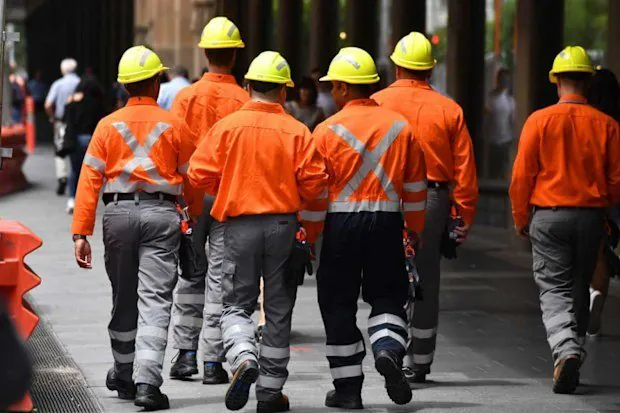
The prison guard union, Union Together Queensland, has warned that the expected surge in prisoner numbers will force authorities to consider “triple bunking” – housing three prisoners in cells built for one – which will inevitably lead to a rise in assaults, injuries, and potentially even deaths.
The new laws, which propose mandatory minimum 12-month sentences for adults and children who commit serious crimes while on bail, are set to come into effect in November, despite warnings from experts that the system is already at breaking point.
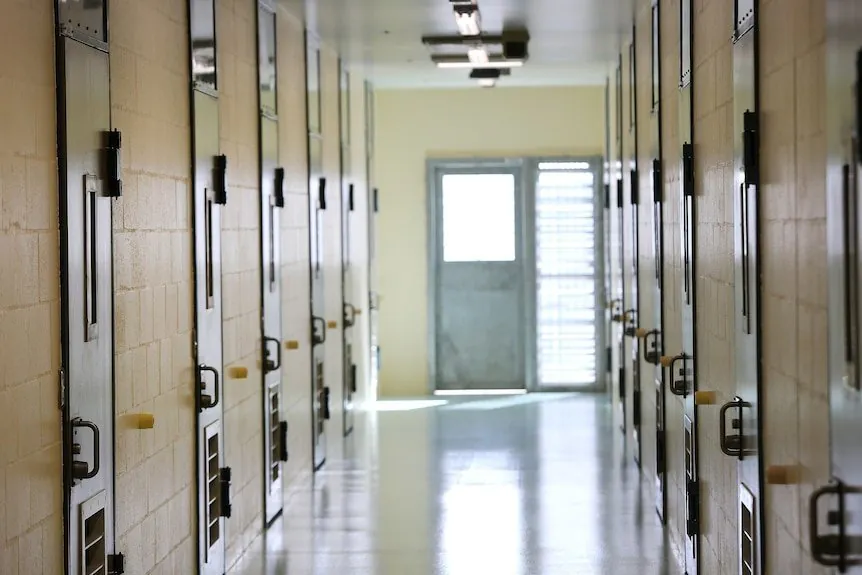
The adult jail system is currently operating at 136 per cent cell capacity, with thousands of single-occupancy cells retrofitted with a second permanent bunk bed to cope with the increasing prisoner population.
However, this has done little to alleviate the pressure, with prisoner numbers expected to rise by between 1,500 and 5,200 by June 2035.




The situation is equally dire in youth detention centres, where the introduction of the new laws is expected to result in a significant increase in the number of children being locked up.
The Australian Workers Union (AWU) has warned that this will lead to an immediate staffing crisis, with youth detention centres forced to switch to “night mode” – confining young people to their individual cells from 7:30 am to 7:30 pm, as well as overnight.
This, in turn, will lead to an increase in assaults between young people, including high rates of sexual violence, as well as a rise in incidents of self-harm and mental health issues.
The Queensland government has conceded that the new laws “will result in limitations on children and adults’ right to humane treatment”, but insists that the rights of victims must come before the rights of offenders.
However, experts argue that this approach is short-sighted and will ultimately lead to more harm, rather than less.
By prioritizing punishment over rehabilitation, the government is ignoring the root causes of crime and failing to address the underlying issues that lead to offending behaviour.
Analysis: What This Means for Australia
The crisis in Queensland’s prison system has significant implications for national security, law enforcement, and community safety.
The introduction of the new breach of bail laws will not only put immense pressure on already overcrowded facilities but also increase the risk of riots, violence, and escapes.
This, in turn, will compromise the safety of correctional staff, prisoners, and the broader community.
Furthermore, the failure to address the root causes of crime and provide adequate rehabilitation programs will lead to a revolving door of recidivism, with more than half of released Queensland prisoners ending up back behind bars within two years.
Security analysts say that the situation in Queensland is a wake-up call for the entire country, highlighting the need for a more nuanced and evidence-based approach to crime and punishment.
By prioritizing rehabilitation over punishment, and addressing the underlying causes of offending behaviour, we can reduce recidivism rates, improve community safety, and create a more just and equitable society.
Law enforcement insiders warn that the current approach is unsustainable and will ultimately lead to more harm, rather than less, and that a new approach is needed to address the complex issues surrounding crime and punishment.
Industry observers believe that the Queensland government’s decision to introduce the new breach of bail laws is a knee-jerk reaction to public pressure, rather than a considered response to the complex issues surrounding crime and punishment.
They argue that a more effective approach would involve investing in rehabilitation programs, addressing the root causes of crime, and providing support to vulnerable communities. By taking a more holistic and evidence-based approach, we can create a safer, more just, and more equitable society for all Australians.