
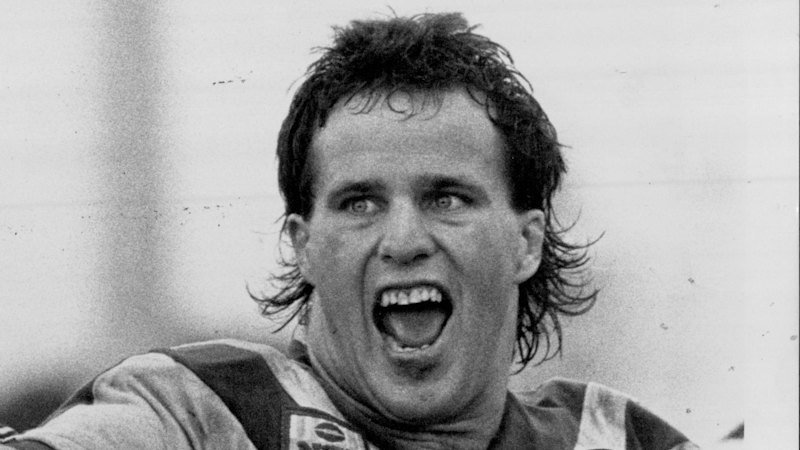
Rugby League Mourns ‘A Champion of a Man’ as Three-Time Bulldogs Premiership Hero Paul Langmack Dies Suddenly of a Heart Attack Aged Just 61
- Canterbury-Bankstown great Paul Langmack, who lifted the premiership trophy in 1984, 1985 and 1988, has died after suffering a heart attack at the age of 61
- The former NSW Origin forward and South Sydney head coach had previously survived a battle with cancer
- Phil Gould said he was devastated, describing his former teammate as a larger-than-life figure who never stopped thinking about other people
- Langmack spent his later years building mental health support programs for young people and current and former players, a legacy now thrown into sharp focus
He survived the brutal collisions of more than 300 first grade matches. He fought cancer and came through the other side.
But Paul Langmack could not survive the heart attack that struck him down at just 61, leaving the rugby league world reeling and a vast network of friends, teammates and young people he had helped struggling to comprehend the loss.
The death of the Canterbury-Bankstown icon has landed like a hammer blow across Sydney’s league heartland, where his name remains synonymous with one of the most dominant eras in the club’s history.
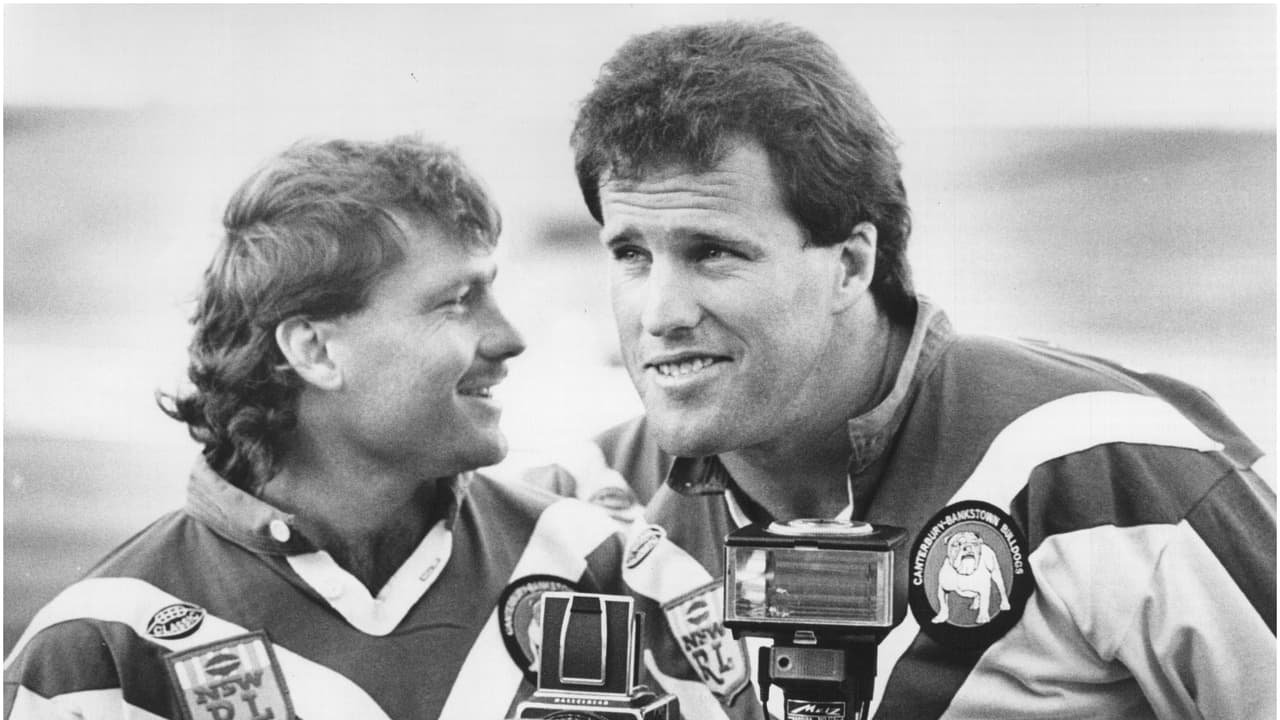
The Bulldogs confirmed the news of his passing, paying tribute to a man who wore their colours 174 times through the 1980s and was at the heart of three grand final triumphs.
Langmack was a premiership winner in 1984, again in 1985, and once more in 1988, when Canterbury overcame Balmain in the decider. Among those celebrating beside him that day was Phil Gould, who would go on to become one of the most influential voices in the game.
His career did not end at Belmore. Langmack also turned out for Western Suburbs and Sydney, finishing with 314 first grade appearances on Australian soil.
He added another 19 games in England with Halifax, testing himself in the notoriously punishing British competition.
On the representative stage, he pulled on the sky blue jersey for New South Wales in four State of Origin clashes. In 1986 he was selected for the Kangaroos’ tour of Great Britain and France, playing 10 tour matches, although a Test cap eluded him.
When he finally hung up his boots after the 1999 season, he moved straight into the coaching box, first as an assistant at the newly formed Wests Tigers and then as head coach of South Sydney across 2003 and 2004.
The tributes have been immediate and raw.
Gould said he was shattered to learn of the sudden death that morning, remembering Langmack as an energetic, bubbly and enthusiastic personality who adored the game.
He spoke of a fierce loyalty to the teammates and coaches Langmack had encountered over the decades, saying he genuinely loved every one of them.
Crucially, Gould also pointed to the work Langmack did away from the cameras, launching mental health support initiatives aimed at children and at both active and retired players.
He was, Gould said, a man forever focused on others, and his loss would be felt by a great many people.
Benny Elias, who knew Langmack as a NSW teammate, a 1986 touring companion and a grand final opponent in that famous 1988 decider, told ABC Sport that the league community would be deeply saddened.
Elias said Langmack’s name would always command respect within the code, calling him a champion both as a player and as a person, and lamenting that he had been taken so young.
To understand why this loss cuts so deep, you have to understand the era Langmack came from.
The Canterbury sides of the mid-1980s were built on relentless defence, toughness and an unbreakable team culture. Players of that generation absorbed enormous physical punishment week after week, often with far less medical support and recovery science than today’s professionals enjoy.
Many of those men went on to face serious health challenges in later life. Langmack himself had already confronted cancer before Wednesday’s devastating news.
Rather than retreat from public life, he threw himself into community work, partnering with the NSW Rugby League on programs designed to support people doing it tough.
It was a cause he championed long before mental health became a mainstream conversation in Australian sport.
Analysis: What This Means for Australia
Langmack’s death is not just a sporting story. It is a stark reminder of the silent threats facing Australian men, and particularly those who once seemed indestructible.
Heart disease remains one of the leading causes of death in this country, and the Heart Foundation has long urged middle-aged men to get regular checks, even when they feel fit and well.
A sudden cardiac event at 61, in a man known for his energy and vitality, will resonate with countless families who have experienced similar shock.
The community impact is equally significant. Langmack was not simply a retired footballer enjoying his twilight years.
He was an active, hands-on presence in programs addressing mental health, reaching young people at risk and former players struggling to adjust to life after the final siren.
That kind of grassroots advocacy is difficult to replace.
Former players often carry a credibility that clinicians and government campaigns cannot match, particularly when speaking to young men in suburban and working-class communities where league is woven into daily life.
There is also a broader question for the game.
As awareness grows around the long-term toll of professional contact sport, governing bodies including the National Rugby League face mounting pressure to support past players well beyond their playing days, from physical health screening to psychological care.
For western Sydney in particular, where the Bulldogs remain a powerful source of identity and pride, the loss of a figure like Langmack strips away a living link to the club’s golden age and a trusted voice on issues that matter to local families.
Health observers say the circumstances surrounding Langmack’s passing should prompt a wider conversation about men’s health, noting that many men delay check-ups until symptoms become serious, and that former athletes may wrongly assume their fitness history protects them.
Sporting welfare advocates believe his death underlines the urgent need to sustain the support networks he helped build, warning that programs led by passionate individuals can falter when those individuals are suddenly gone.
Those close to the game insist his legacy must not be allowed to fade.
Elias, reflecting on Langmack’s generosity, said the greatest thing a person could do was give their time back to the community and help others, describing it as a real big tick.
League insiders suggest that the most fitting tribute would be for clubs and officials to carry that philanthropic spirit forward, ensuring the young people and former players Langmack fought for are not left behind.
Three premierships. Four Origin appearances.
A Kangaroo tour. A coaching career at one of the game’s most storied clubs.
Yet for many who knew him, Paul Langmack’s greatest achievements came long after the cheering stopped, in the quiet moments he spent lifting others up.